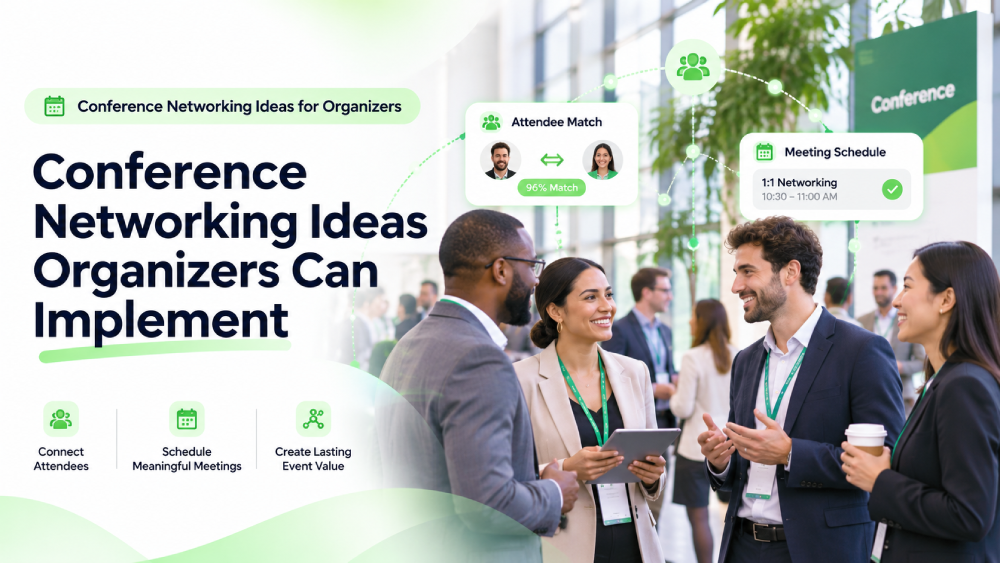
A successful conference is not just about informative sessions and impressive speakers. It is also about bringing people together, encouraging meaningful conversations, and creating opportunities for professional relationships. However, attendees often struggle to connect with the right people, especially at large events where everyone has different interests and objectives.
This is where thoughtful conference networking ideas for organizers can make a difference. By introducing structured activities, interactive technology, and dedicated networking opportunities, organizers can create an environment where attendees feel comfortable connecting and exchanging ideas.
Top 7 Conference Networking Ideas Organizers Can Implement?
Here are seven practical approaches organizers can implement to improve attendee engagement and make networking more productive.
1. Organize Speed Networking Sessions
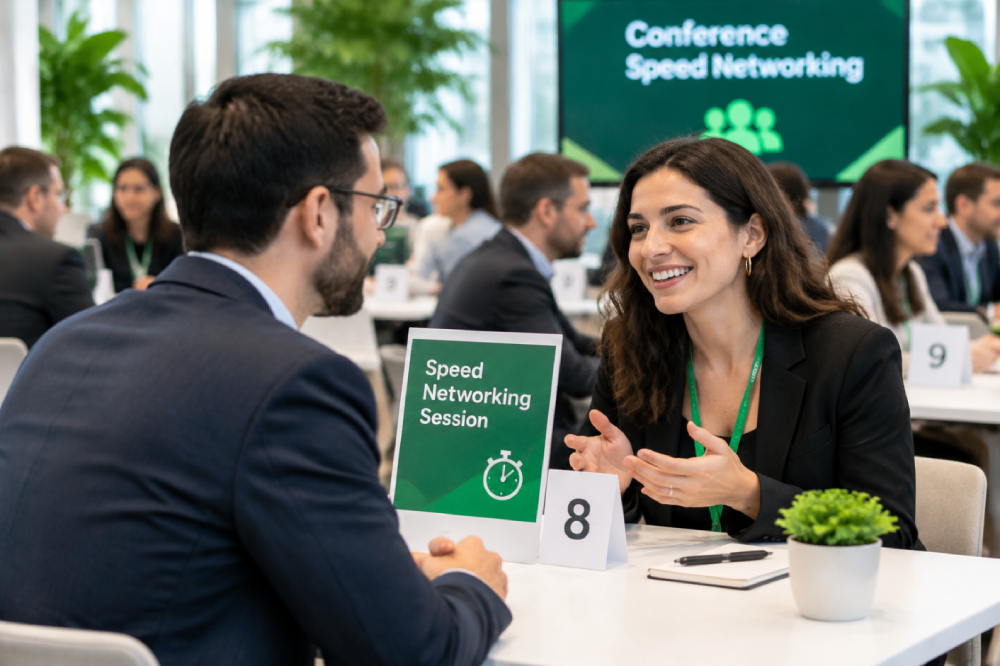
Speed networking is an effective way to help attendees meet multiple professionals within a limited period. Instead of leaving participants to approach strangers, organizers can arrange short, timed conversations between attendees.
Each participant gets two to three minutes to introduce themselves, discuss their interests, and identify potential collaboration opportunities before moving to the next person.
These conference networking tips work particularly well for business events, startup gatherings, and industry-specific conferences. Organizers can also group participants according to their professional backgrounds, industries, or networking objectives to make conversations more relevant.
2. Introduce AI-Powered Attendee Matching
Not every attendee wants to meet everyone at an event. Most professionals attend conferences with specific objectives, such as finding business partners, meeting investors, exploring career opportunities, or discovering potential clients.
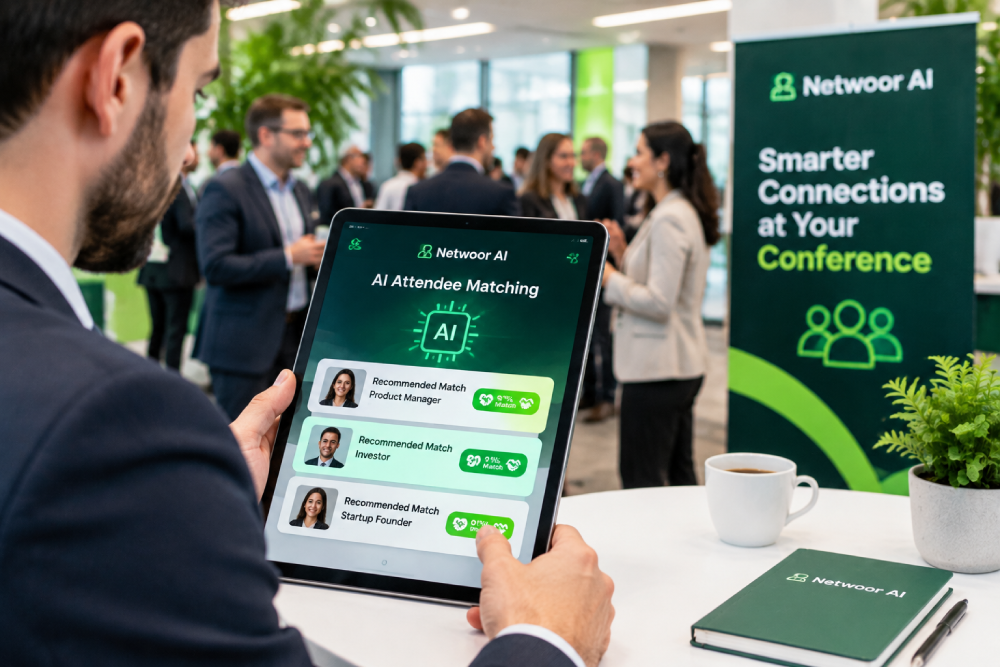
AI-powered matchmaking can help organizers connect people with shared interests and complementary professional goals.
Using an intelligent conference networking app, organizers can allow attendees to create profiles, identify their interests, and receive personalized connection recommendations.
Netwoor AI helps make professional networking more targeted through intelligent matching and digital networking experiences, enabling attendees to discover relevant connections instead of relying entirely on random interactions.
3. Create Dedicated Networking Zones

Large conferences can become overwhelming, particularly when attendees have limited opportunities to interact outside scheduled sessions.
Organizers can address this by creating dedicated networking spaces throughout the venue. These areas can include industry-specific tables, informal discussion lounges, startup corners, and meeting spaces for business professionals.
Such conference networking ideas for organizers encourage spontaneous conversations while giving attendees a comfortable environment to exchange information.
For example, a technology conference could feature separate networking areas for AI professionals, software developers, investors, and startup founders. This makes it easier for participants to find people with similar interests.
4. Use Interactive Icebreaker Activities
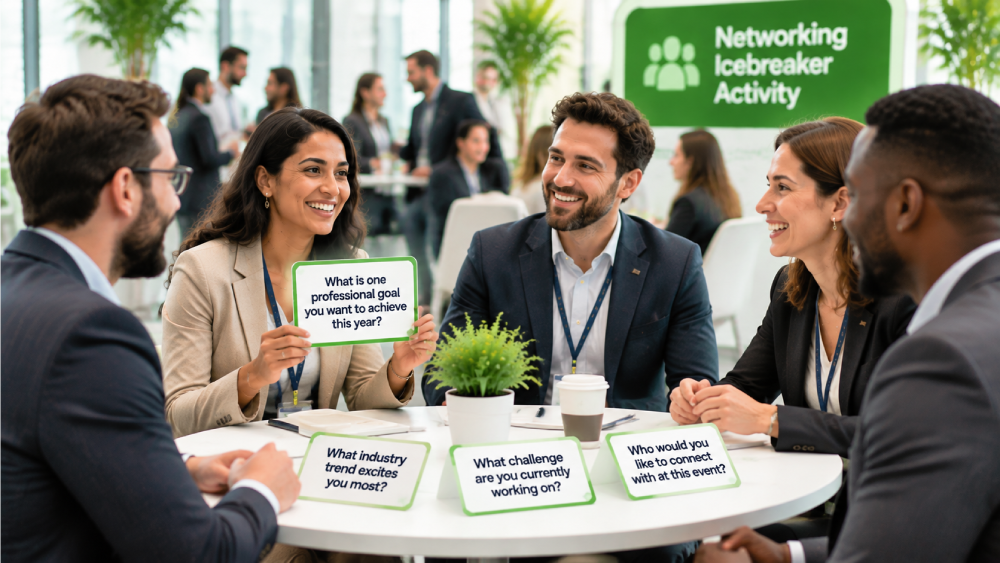
Starting conversations with unfamiliar people is not always easy. Interactive icebreakers can remove this initial hesitation and encourage attendees to participate. Organizers can introduce simple activities such as:
Two-minute introductions: Ask attendees to introduce themselves and share one professional goal.
Industry trivia: Create small groups and encourage participants to solve industry-related questions.
Common interest challenges: Ask attendees to find three people who share a particular professional interest.
Conversation cards: Place discussion prompts on tables to help participants start meaningful conversations.
These conference conversation starters make networking more approachable, especially for first-time attendees and introverts.
5. Introduce a Digital Networking Platform
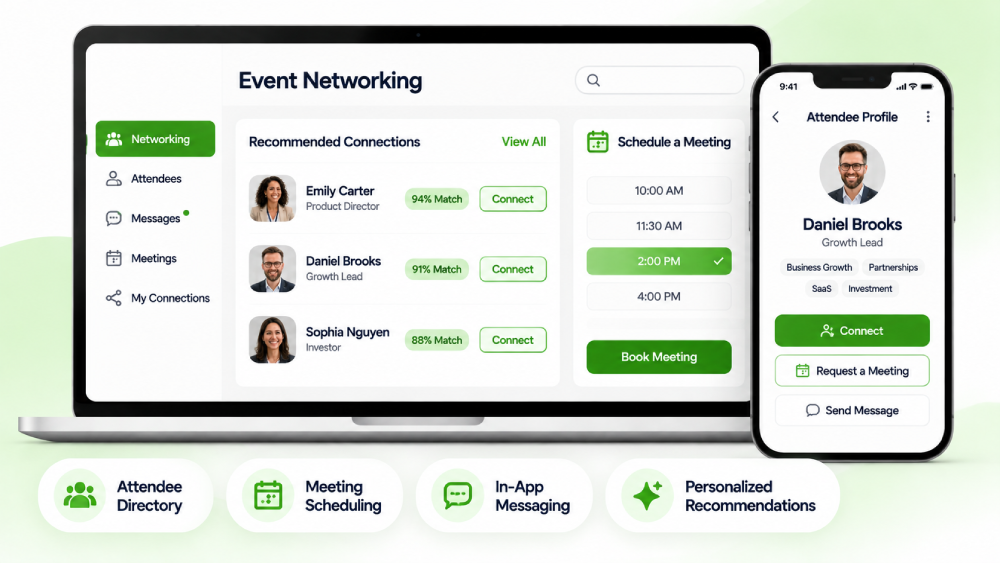
Traditional networking often depends on exchanging business cards and manually remembering new contacts. Digital solutions can simplify this process and help attendees maintain connections after the event.
A reliable conference networking platform can provide attendee directories, digital profiles, meeting scheduling, messaging, and connection recommendations.
Organizers should prioritize platforms that are easy to navigate and accessible through mobile devices. They can also encourage attendees to update their profiles before arriving, making it easier to identify relevant professionals.
Additionally, conference networking software can help event teams manage attendee interactions, monitor engagement, and coordinate networking activities more efficiently.
6. Arrange Industry-Specific Roundtable Discussions

Roundtable discussions provide an excellent opportunity for smaller groups to exchange knowledge and build professional relationships.
Instead of organizing general networking sessions, organizers can divide participants into groups based on specific subjects, industries, or challenges.
For example, a healthcare conference could arrange discussions around digital health, patient experience, medical technology, and healthcare innovation.
These focused discussions create meaningful conference networking opportunities because participants can contribute their expertise, ask questions, and explore potential collaborations.
A moderator can guide each discussion to ensure everyone gets an opportunity to participate.
7. Encourage Post-Conference Engagement
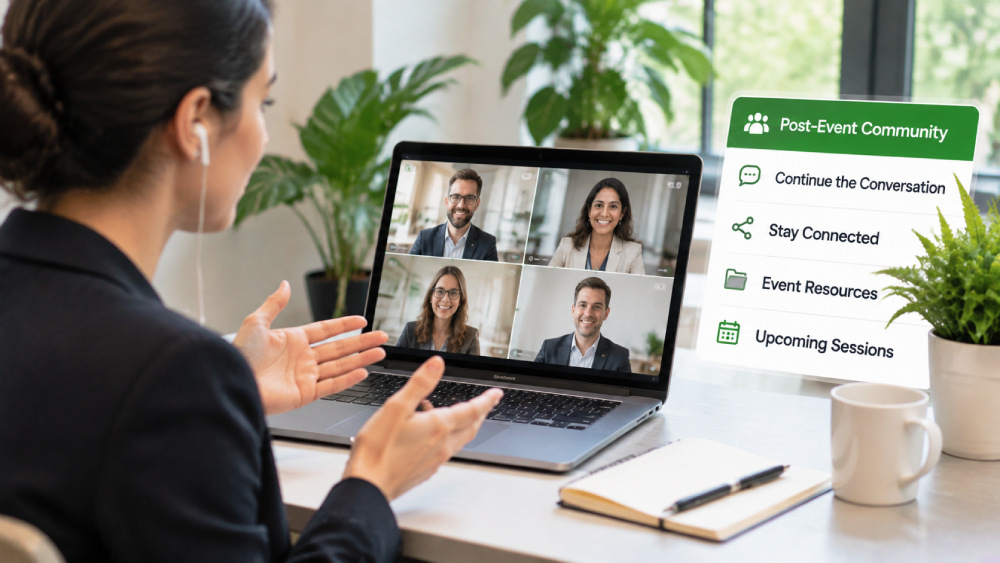
Networking should not end when the conference closes. In fact, following up is one of the most important steps in turning initial conversations into lasting professional relationships.
Organizers can create a post-event engagement strategy that includes:
Sharing an attendee networking directory with appropriate consent.
Creating dedicated online communities for participants.
Sending personalized follow-up reminders.
Organizing virtual networking sessions after the event.
Sharing event highlights and relevant discussion summaries.
These conference networking strategies help attendees continue conversations, exchange resources, and explore opportunities beyond the conference.
Conclusion
Effective networking requires more than bringing professionals into the same venue. It involves creating structured opportunities, encouraging meaningful interactions, and providing the right technology to support connections.
By implementing these conference networking ideas for organizers, event teams can improve attendee engagement, facilitate professional relationships, and deliver more valuable conference experiences. Combining interactive activities, intelligent matchmaking, dedicated networking spaces, and post-event engagement can turn a conventional conference into a productive networking experience.
Frequently Asked Questions
1. What is the best time to organize networking activities at a conference?
Coffee breaks, lunch sessions, registration periods, and dedicated networking hours are ideal opportunities.
2. How can organizers encourage introverts to participate?
Use small-group discussions, structured introductions, and interest-based matching to make interactions more comfortable.
3. How can organizers measure networking success?
Track meetings booked, connections made, attendee participation, engagement rates, and post-event feedback.
4. Are digital networking solutions suitable for small conferences?
Yes. They can simplify introductions, improve scheduling, and help participants connect regardless of event size.
Get the next article in your inbox
Stay updated with practical insights, product updates, and networking tips — delivered straight to your inbox.