

University life extends beyond lectures, examinations, and classroom discussions. Students need opportunities to connect with classmates, explore academic interests, find mentors, and participate in extracurricular activities. However, traditional communication channels do not always make it easy for students to discover relevant people and opportunities.
A community app for universities can create a shared digital environment where students, faculty, alumni, and university organizations interact. It can support communication, collaboration, learning, and a stronger sense of belonging.
Why Do Universities Need Digital Communities?

Students often use different platforms for announcements, academic discussions, events, and social interaction. When information is scattered, important updates and opportunities can be difficult to find.
A centralized digital community can help universities:
Improve communication between students and faculty.
Connect students with shared academic interests.
Promote university events and activities.
Support alumni relationships.
Create spaces for clubs and student societies.
Help new students become familiar with campus life.
An effective online community for students should support both academic and social experiences without replacing essential university systems.
Essential Features of a University Community App
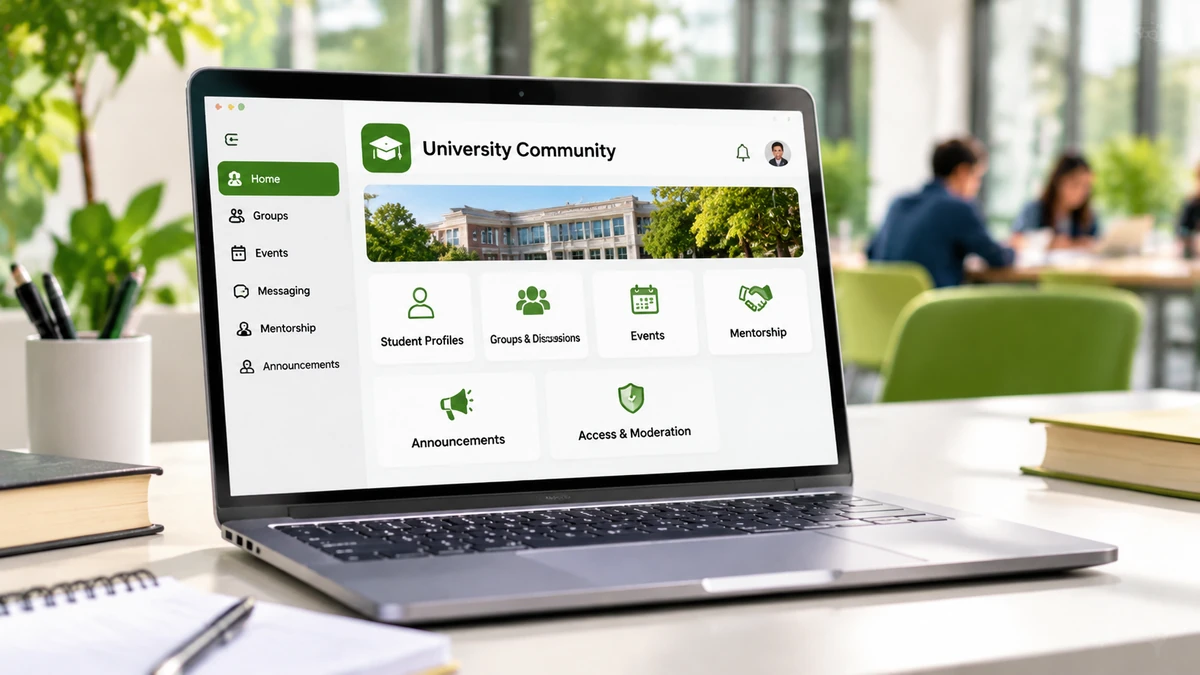
The features should reflect the institution's needs and the different groups using the platform.
1. Student Profiles
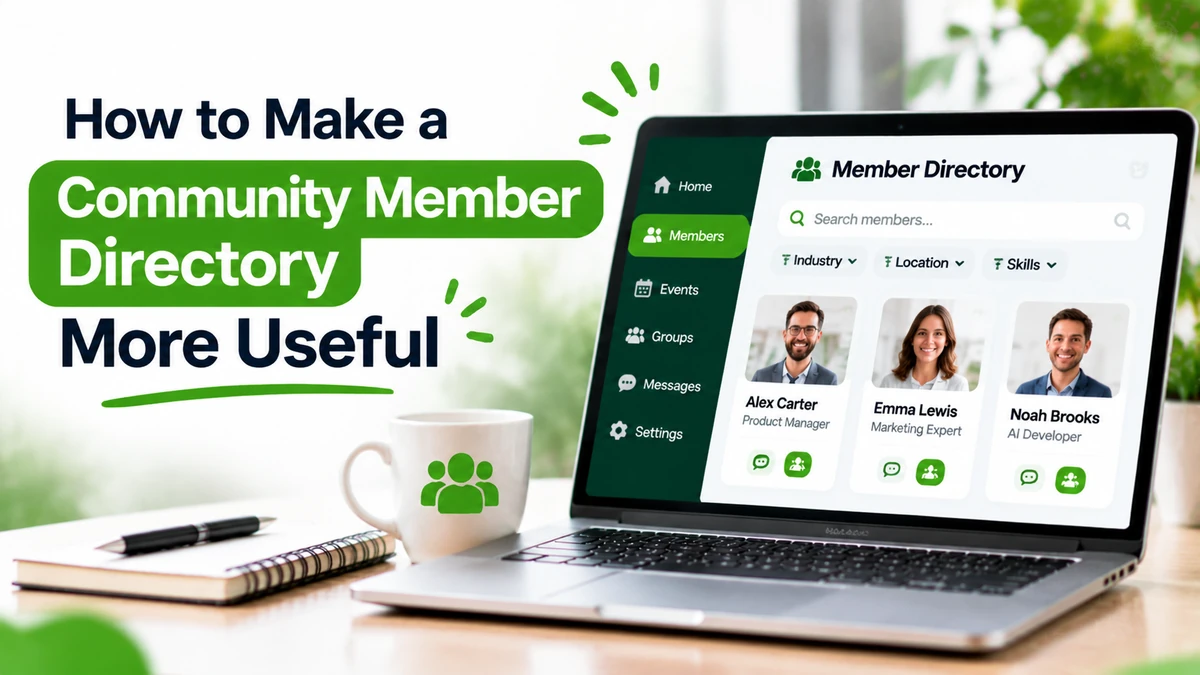
Profiles can include academic interests, areas of study, skills, and extracurricular activities. This helps students discover others with similar interests.
2. Groups and Discussion Spaces
Universities can create groups for departments, courses, clubs, research projects, and student societies.
3. Event Management
Students should be able to discover workshops, seminars, campus activities, and networking sessions in one place.
4. Mentorship Opportunities
A platform can connect students with faculty members, alumni, or experienced professionals who are willing to provide guidance.
5. Announcements and Messaging
Centralized updates and communication tools can help reduce confusion and make university information easier to access.
6. Moderation and Access Controls
Universities need ways to manage inappropriate content, protect private groups, and control access to sensitive information.
How Different University Groups Can Benefit
A well-designed university community platform should provide value to more than just students.
| User group | Potential benefit |
|---|---|
| New students | Discover classmates and campus activities |
| Current students | Join academic and interest-based groups |
| Faculty | Share resources and communicate with learners |
| Alumni | Maintain connections with the institution |
| Student societies | Organize activities and attract participants |
| Career services | Share internships and professional opportunities |
This structure can also support student engagement platforms by giving learners more opportunities to participate outside formal academic activities.
5 Ways to Encourage Student Participation
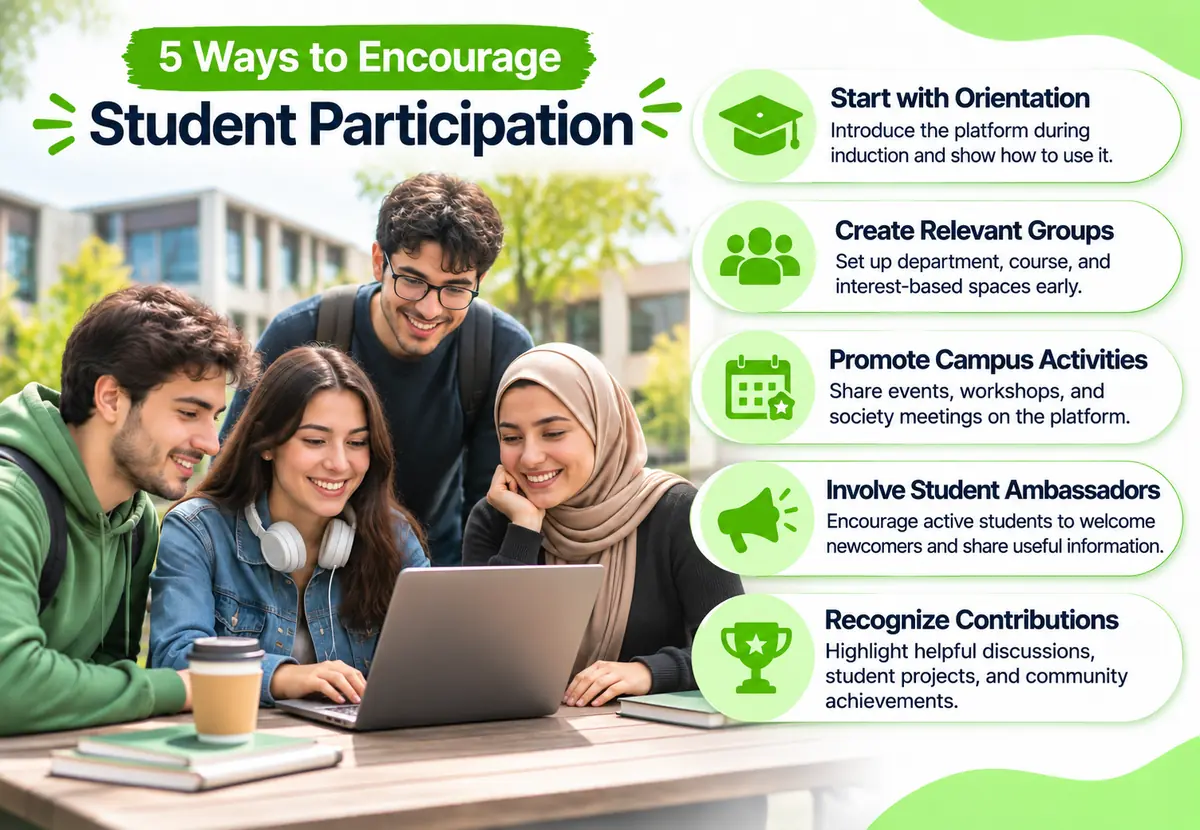
Launching an app does not automatically create an active community. Universities need a clear plan to introduce the platform and encourage regular use.
Start with orientation: Introduce the platform during student induction and explain how to use it.
Create relevant groups: Set up department, course, and interest-based spaces before inviting students.
Promote campus activities: Publish events, workshops, and society meetings.
Involve student ambassadors: Encourage active students to welcome newcomers and share useful information.
Recognize contributions: Highlight helpful discussions, student projects, and community achievements.
These activities can strengthen student community engagement and make the platform feel like a useful part of university life.
Supporting Alumni and Professional Connections

University communities can remain valuable after graduation. Alumni may want to share career experiences, offer mentorship, announce job opportunities, or reconnect with former classmates.
A structured alumni networking platform can help institutions maintain these relationships. Alumni directories, professional profiles, and industry-focused groups can make it easier to discover relevant connections.
Netwoor offers a connected approach to professional networking, which reflects the value of helping people discover relevant contacts and build relationships around shared interests.
Privacy and Administration Considerations
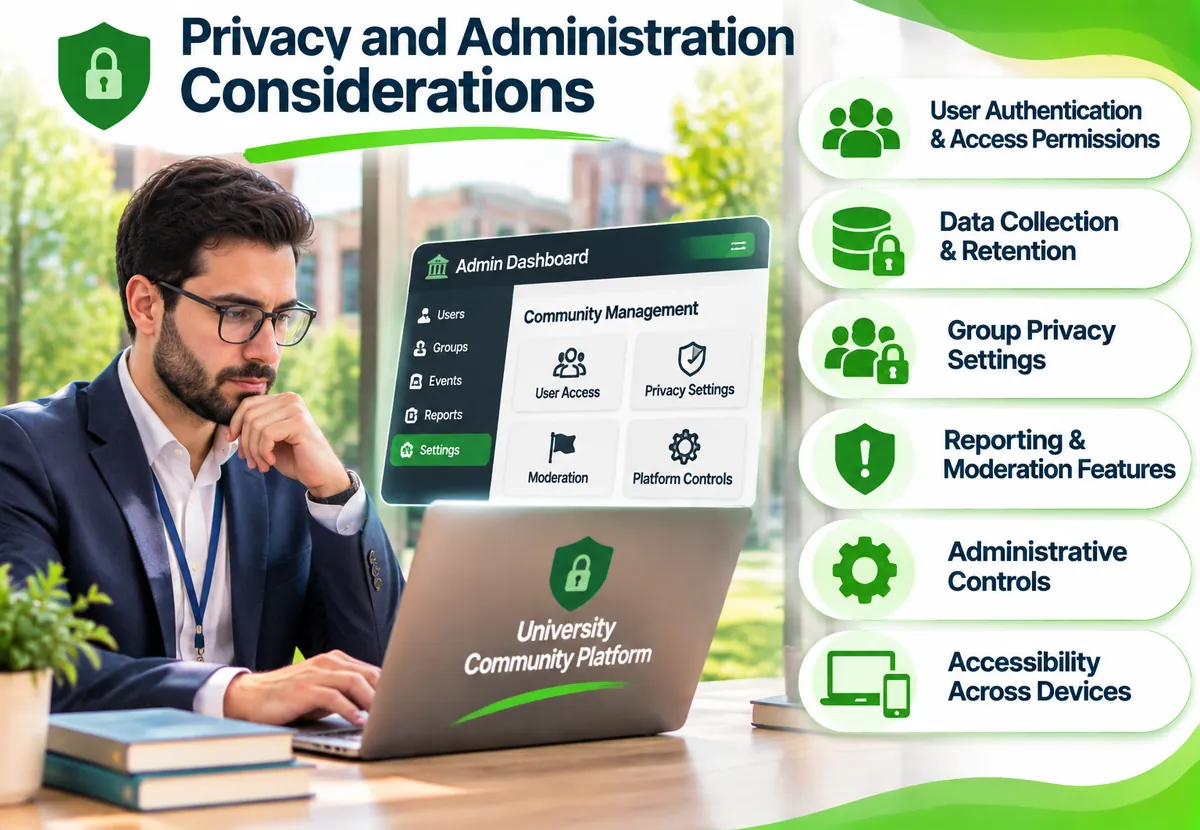
Universities manage information about students, faculty, and alumni, so privacy should be considered from the beginning.
Before choosing a platform, review:
User authentication and access permissions.
Data collection and retention practices.
Group privacy settings.
Reporting and moderation features.
Administrative controls.
Accessibility across devices.
A digital campus community should be inclusive and easy to navigate. Students should understand how their information is used and where to seek support.
Conclusion
University communities can become more connected when students, faculty, alumni, and societies have a shared digital space. A well-planned community app can support communication, mentorship, events, and professional relationships. Universities should begin with clear objectives, choose relevant features, and encourage participation through activities that genuinely benefit their members.
FAQs
1. What is a community app for universities?
It is a digital platform that helps students, faculty, alumni, and university groups communicate and connect.
2. Can university apps support alumni networking?
Yes. Alumni profiles, groups, events, and mentorship features can help graduates stay connected.
3. What features should a university community app include?
Useful features include profiles, groups, messaging, events, announcements, and moderation tools.
4. How can universities increase app adoption?
Introduce the platform during orientation, involve student ambassadors, and regularly share relevant activities.
Get the next article in your inbox
Stay updated with practical insights, product updates, and networking tips — delivered straight to your inbox.