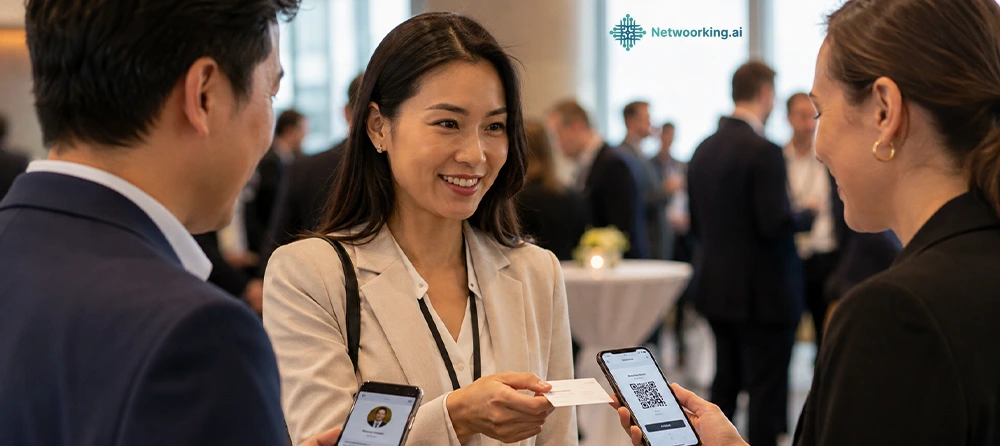
Conferences bring together industry experts, business leaders, entrepreneurs, investors, and professionals who share common interests and goals. However, attending an event does not automatically translate into valuable business relationships. Without a clear approach, attendees may spend hours moving between sessions without meeting the right people or creating meaningful connections.
Effective conference networking management helps attendees and organizers make networking more structured, productive, and result-oriented.
How to Manage Networking at Conferences?
From identifying relevant people to arranging meetings and maintaining relationships after the event, a well-planned approach can turn brief conversations into long-term professional opportunities.
1. Set Clear Networking Goals Before the Conference
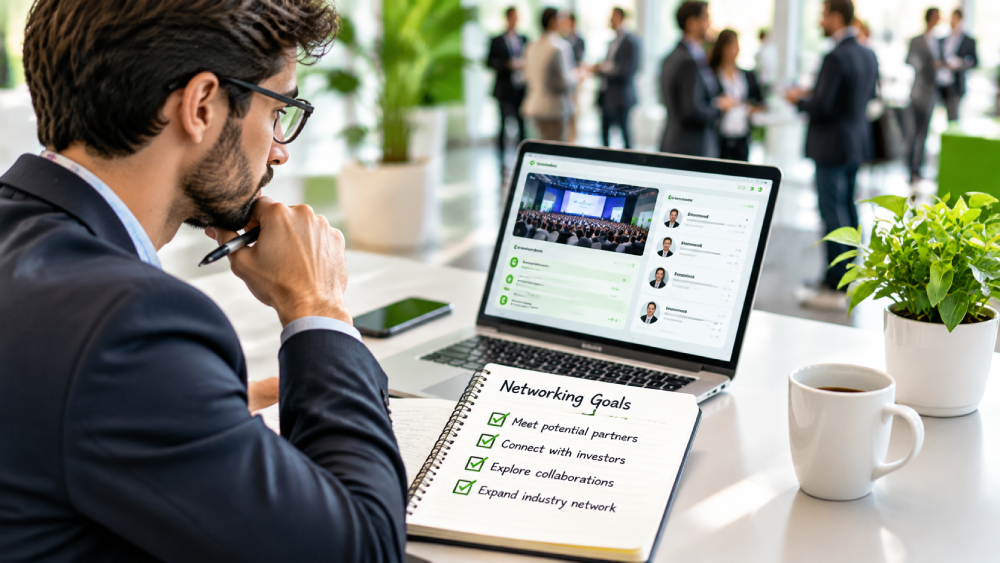
Successful networking starts before arriving at the venue. Attendees should identify what they want to achieve, whether it is finding potential clients, meeting investors, exploring partnerships, learning about industry developments, or connecting with professionals in their field.
Review the event agenda, speaker profiles, exhibitor lists, and attendee information to identify relevant contacts. Prioritize people whose professional interests align with your objectives.
Having specific goals makes conference networking more purposeful. Instead of collecting business cards without direction, attendees can focus on building relationships that offer mutual value.
2. Identify the Right People to Connect With

Not every conversation needs to lead to a business opportunity. However, identifying relevant participants can help attendees use their time more effectively.
Organizers can make this easier by providing attendee directories, professional profiles, interest-based categories, and networking recommendations. These features allow participants to discover people with similar business objectives.
A dedicated conference networking app can simplify this process by helping attendees explore participant profiles, identify shared interests, and connect before the event begins.
For organizers, introducing technology into the networking process also makes it easier to facilitate relevant introductions rather than leaving every interaction to chance.
3. Prepare an Effective Introduction

First impressions matter, particularly in professional environments where conversations are often short. Attendees should prepare a brief introduction explaining who they are, what they do, and what they are interested in discussing.
A good introduction should sound natural rather than rehearsed. For example:
"Hi, I'm Sarah. I work in digital marketing, focusing on helping technology businesses improve their online visibility. I'd love to learn more about your work."
Once the introduction is complete, ask an open-ended question to encourage further discussion.
Using relevant conference conversation starters can also make interactions easier. Questions about a speaker's presentation, industry challenges, or the purpose of attending the event can create natural opportunities for meaningful discussions.
4. Use Structured Networking Activities

Unstructured networking sessions can sometimes feel uncomfortable, especially for first-time attendees. Organizers can improve participation by introducing activities that encourage interaction.
Some practical conference networking ideas include:
Speed networking: Give participants a few minutes to introduce themselves and exchange professional interests before moving to another conversation.
Roundtable discussions: Arrange small groups around specific industry topics to encourage focused conversations.
Interest-based meetups: Bring together attendees with similar professional backgrounds, business goals, or areas of expertise.
Interactive challenges: Introduce collaborative activities that encourage participants to work together and exchange ideas.
5. Use Technology to Organize Networking

Managing hundreds or thousands of attendees manually can be challenging. Technology can help organizers coordinate introductions, schedule meetings, and make professional connections easier to manage.
Modern conference networking tools can support attendee matchmaking, digital profiles, meeting scheduling, messaging, and real-time event updates. Instead of relying entirely on chance encounters, participants can discover relevant connections based on their interests and professional objectives.
An effective event networking platform should provide a simple experience for both attendees and organizers. AI-powered solutions, including Netwoor AI, can further improve networking through intelligent matchmaking and personalized recommendations.
6. Follow Up and Maintain Professional Relationships
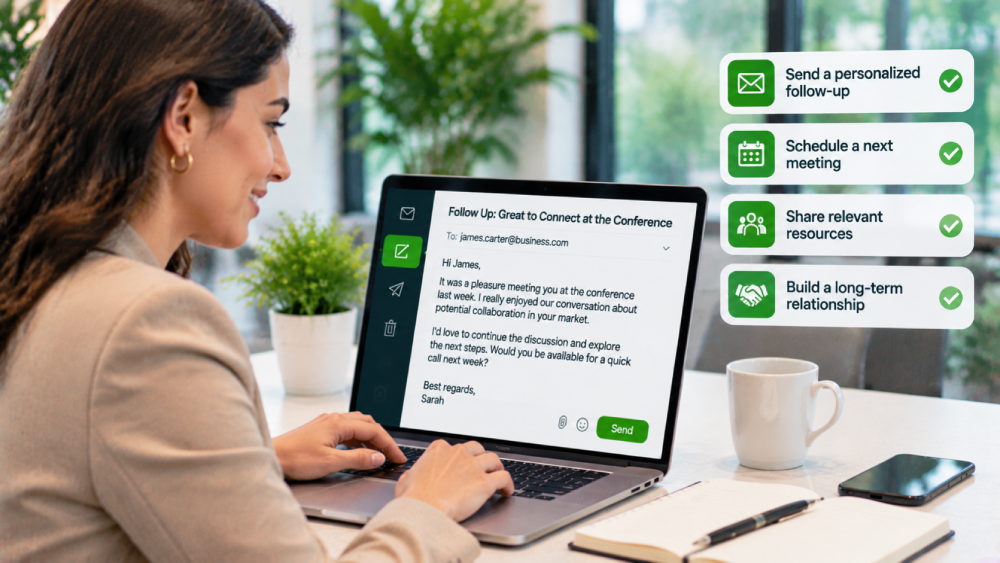
Networking should not end when the conference closes. Following up is essential for turning initial conversations into lasting professional relationships.
Send a personalized message within 24–48 hours of meeting someone. Mention something specific from your conversation to make the interaction memorable. If you discussed a potential collaboration, share relevant information or suggest a convenient time for another meeting.
Knowing how to follow up after a conference can make a significant difference in the quality of professional relationships. Avoid sending generic messages to everyone. Instead, focus on continuing conversations that have genuine potential.
You can also connect through professional networking channels, share useful industry resources, and maintain occasional communication without making every interaction transactional.
Conclusion
Managing networking at conferences requires more than bringing professionals together in one location. It involves setting clear objectives, identifying relevant participants, encouraging meaningful conversations, and maintaining connections beyond the event.
A thoughtful approach to conference networking management helps organizers create more engaging experiences while enabling attendees to build relationships that support their professional growth. By combining structured activities, intelligent technology, and consistent follow-up, conferences can become valuable environments for long-term collaboration and business development.
Frequently Asked Questions
1. What is the biggest networking mistake at conferences?
Focusing on collecting contacts instead of building meaningful professional relationships.
2. How many people should you aim to meet at a conference?
Focus on 5–10 relevant connections rather than trying to meet everyone.
3. Should you attend networking sessions even if you are an introvert?
Yes. Smaller group discussions and scheduled meetings can make participation more comfortable.
4. How can conference organizers measure networking success?
They can evaluate meetings booked, connections made, attendee engagement, and post-event feedback.
Get the next article in your inbox
Stay updated with practical insights, product updates, and networking tips — delivered straight to your inbox.