
An online community becomes valuable when members do more than create accounts and read posts. Regular activities give people reasons to return, share experiences, exchange knowledge, and build relationships. However, keeping members interested requires more than publishing announcements or sharing occasional updates.
The right online community event ideas can turn passive members into active participants. Whether you manage a professional network, business group, educational community, or interest-based platform, interactive events help create a stronger sense of belonging.
Why Do Online Community Events Matter?
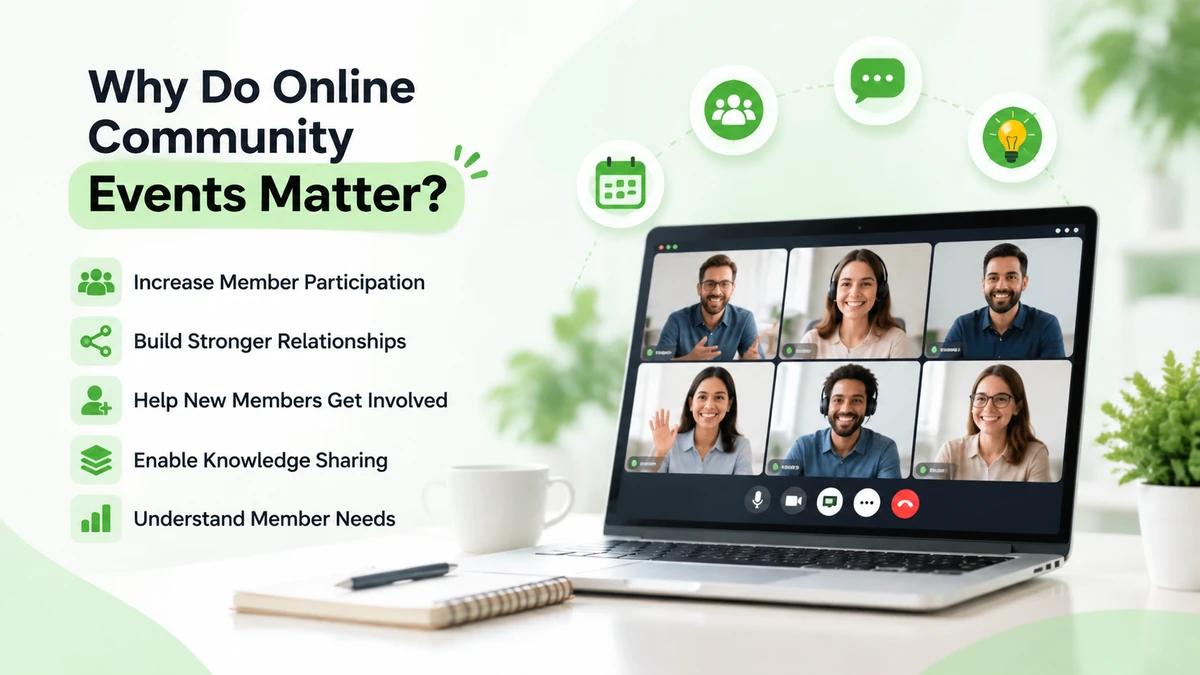
Events give members opportunities to interact beyond ordinary discussions. They create shared experiences and encourage people to contribute their knowledge, opinions, and questions.
Well-planned events can help community managers:
Encourage participation from less active members.
Build stronger relationships between members.
Give newcomers an easy way to introduce themselves.
Share useful knowledge through discussions and workshops.
Understand what members expect from the community.
An online community event does not always need to be a large webinar. A short discussion, virtual introduction session, or collaborative challenge can also create meaningful interaction.
7 Online Community Event Ideas to Try
The most effective activities are relevant to the community's interests and easy for members to join.
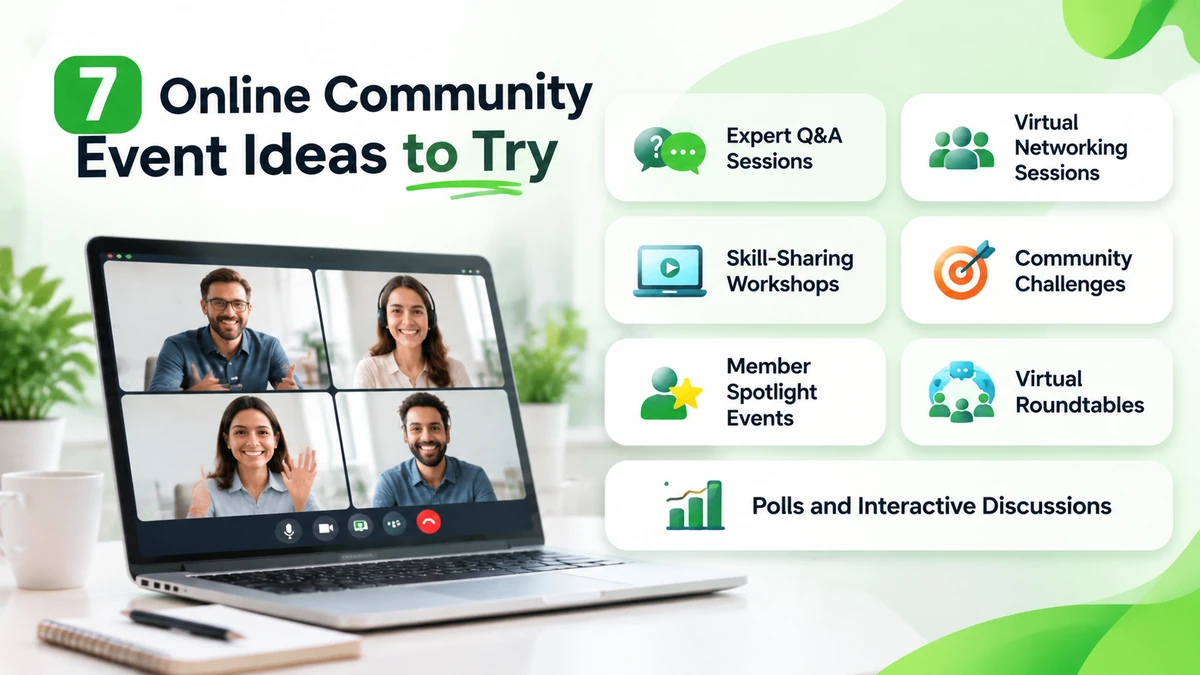
1. Expert Q&A Sessions
Invite an industry professional, experienced member, or specialist to answer questions. Members can submit questions in advance or participate in a live discussion.
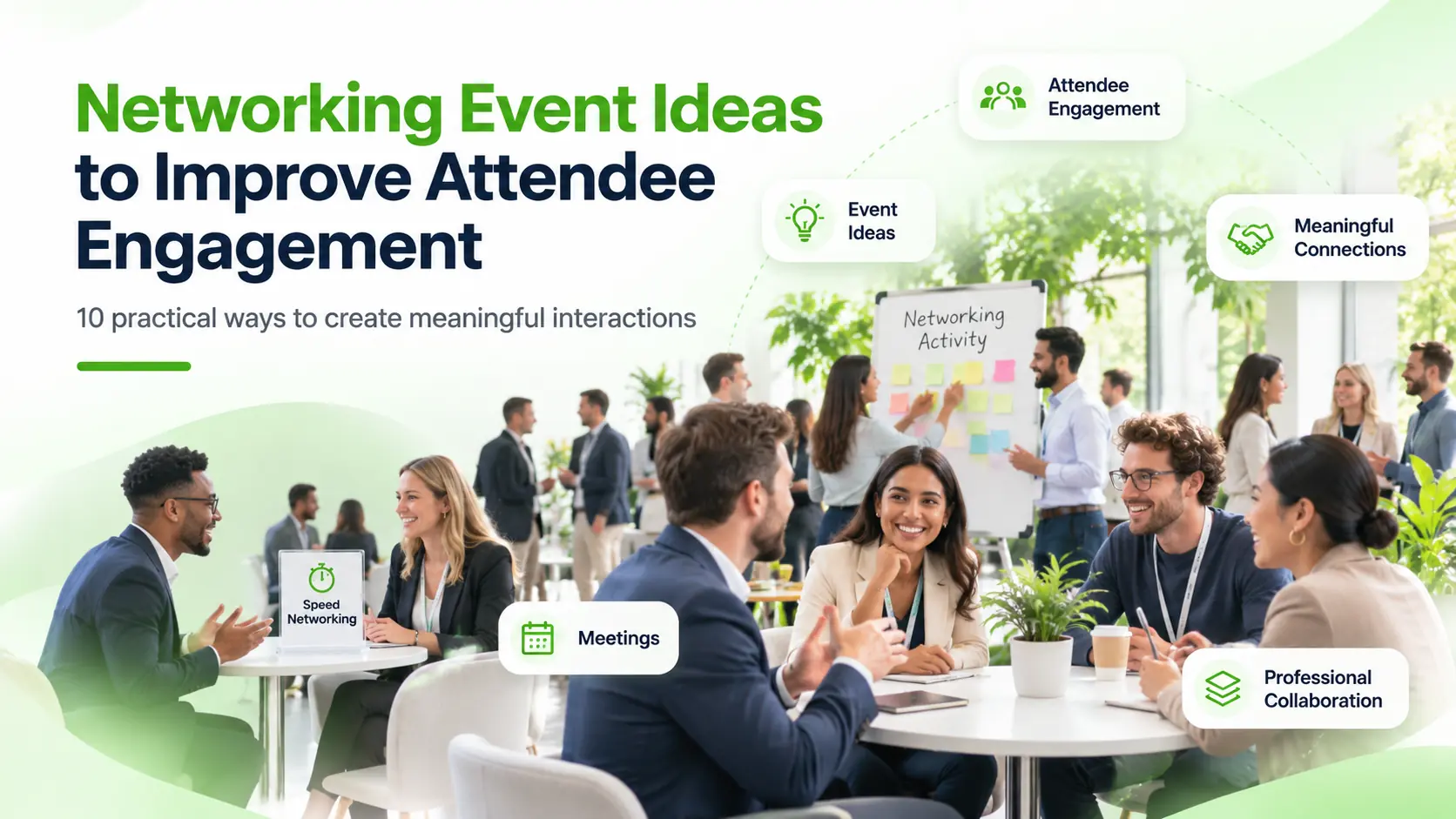
2. Virtual Networking Sessions
Organize short sessions where members introduce themselves and discuss their professional interests. These activities are especially useful for communities focused on collaboration and career development.
3. Skill-Sharing Workshops
Encourage members to teach something they know. A designer could demonstrate a useful tool, while a founder could explain how they approached an early business challenge.
4. Community Challenges
Create a weekly or monthly challenge around a shared goal. Examples include completing a learning activity, sharing a project, or publishing a useful resource.
5. Member Spotlight Events
Give active members an opportunity to share their experiences, achievements, or professional journeys. Recognition can motivate others to participate.
6. Virtual Roundtables
Choose a topic and invite a small group of members to exchange perspectives. Smaller conversations often make it easier for everyone to contribute.
7. Polls and Interactive Discussions
Ask members to vote on a relevant question and explain their choices. Polls are simple to organize and can help identify future event topics.
Choosing the Right Event Format
Not every event works for every audience. Consider the time members can commit, their interests, and the type of interaction they prefer.
| Event format | Main purpose | Best suited for |
|---|---|---|
| Expert Q&A | Knowledge sharing | Professional communities |
| Virtual networking | Relationship building | Business groups |
| Workshops | Skill development | Learning communities |
| Member spotlights | Recognition | Established communities |
| Polls and discussions | Quick participation | Large communities |
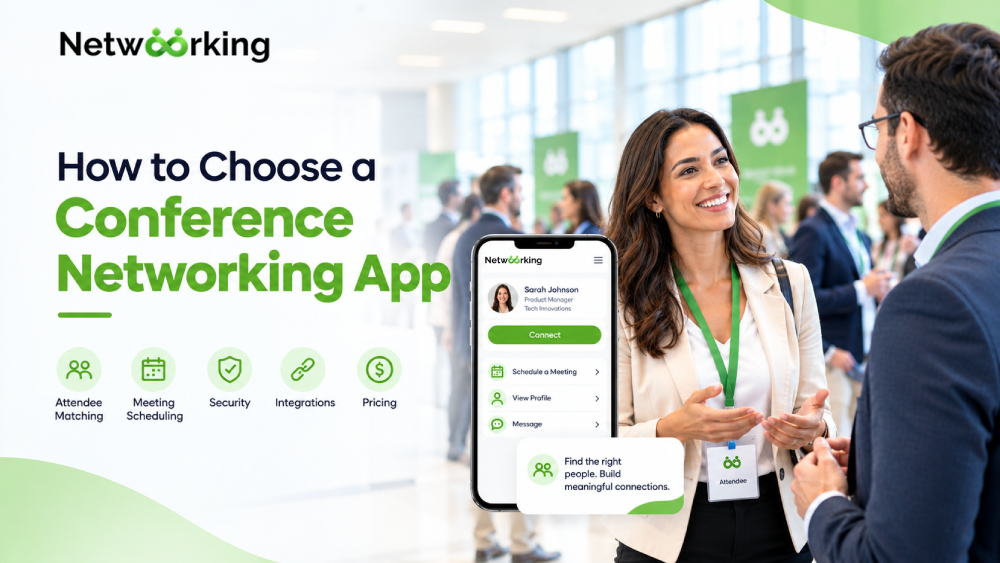
A dedicated community app with events can make it easier to publish event details, manage registrations, and keep members informed. It also gives participants a central place to access community activities.
How to Increase Event Participation
Planning an activity is only the first step. Members need a clear reason to attend and an easy way to participate.
Use these practical approaches:
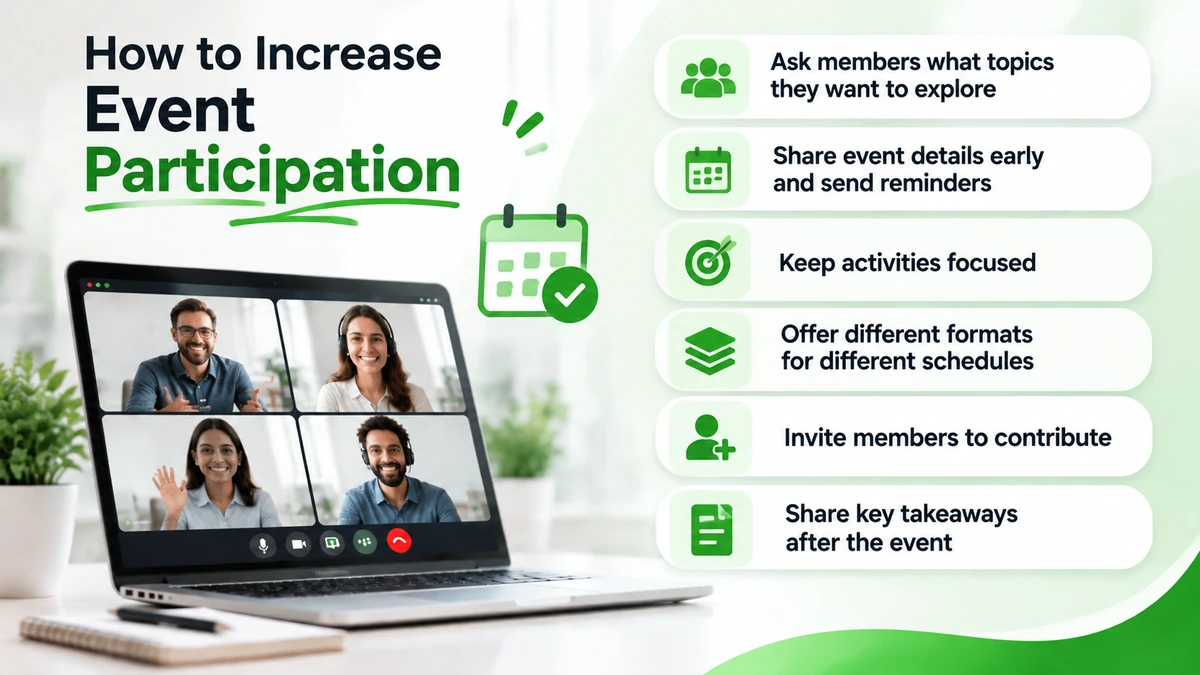
Ask members what topics they want to explore before planning the calendar.
Share event details early and send reminders before the session.
Keep activities focused instead of covering too many subjects.
Offer different formats for members with different schedules.
Invite members to contribute rather than making every event presenter-led.
Share key takeaways after the event for those who could not attend.
Strong online community engagement strategies also involve consistent communication between events. A discussion prompt, follow-up question, or shared resource can keep conversations going.
Making Events More Personalized
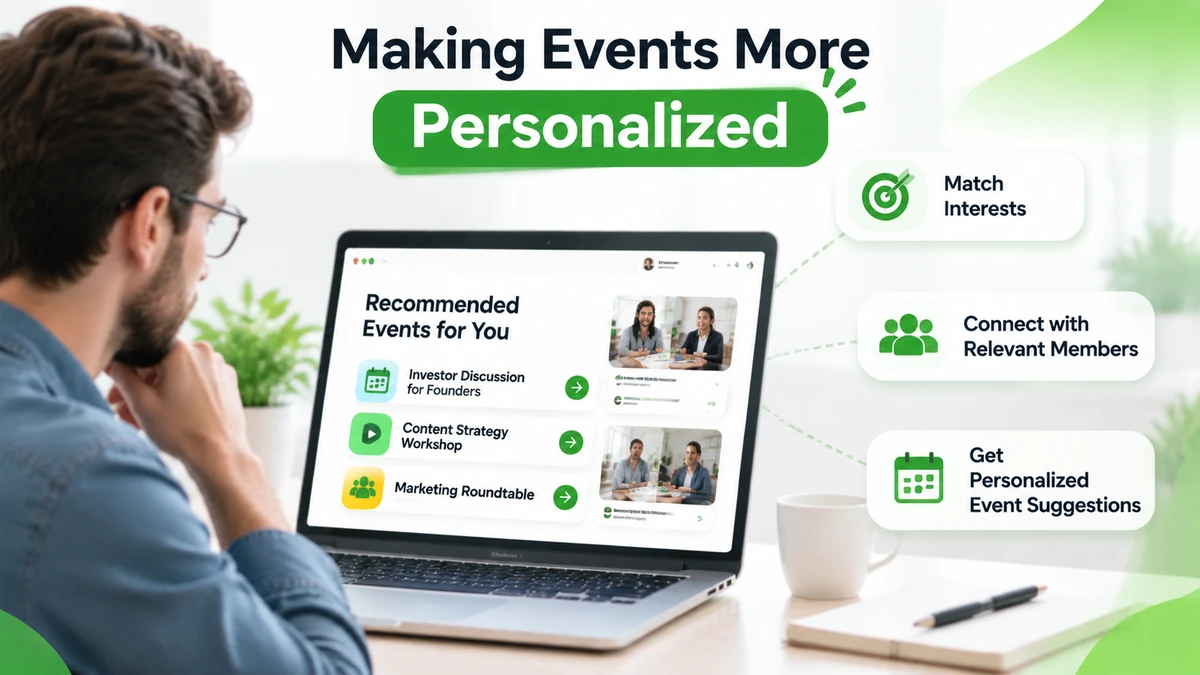
A community may include people with different experience levels, interests, and professional goals. Sending every member the same event recommendation can reduce relevance.
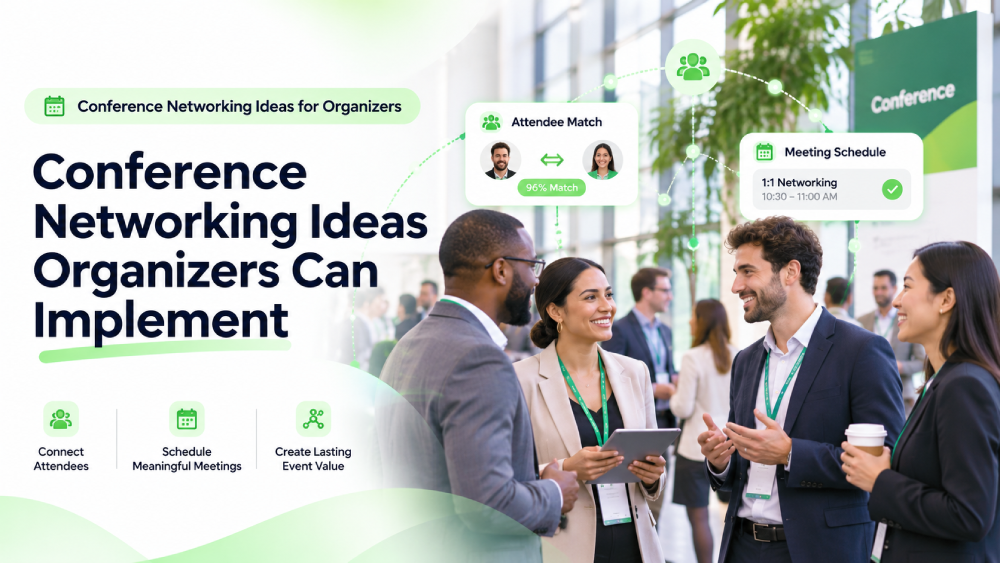
Personalized recommendacommunity member matchingtions and can help members discover people and activities aligned with their interests. For example, a startup founder may be more interested in an investor discussion, while a marketing professional may prefer a content strategy workshop.
Platforms such as Netwoor can support more connected digital community experiences by bringing members, conversations, and networking opportunities into one environment.
Conclusion
Successful community events are built around member interests, meaningful interaction, and consistent participation. From expert Q&A sessions to networking meetups and collaborative challenges, the right activities can make an online community more useful and engaging. Start with simple formats, gather feedback, and improve your event calendar based on what members value most.
FAQs
1. What are the best online community event ideas?
Virtual networking, expert Q&A sessions, workshops, roundtables, and community challenges are useful options.
2. How often should an online community host events?
It depends on member availability and interest. A consistent monthly schedule can be a practical starting point.
3. How can I encourage members to attend events?
Choose relevant topics, send reminders, involve members in planning, and make registration simple.
4. Can small communities benefit from online events?
Yes. Small events can encourage deeper conversations and stronger relationships between members.
Get the next article in your inbox
Stay updated with practical insights, product updates, and networking tips — delivered straight to your inbox.