
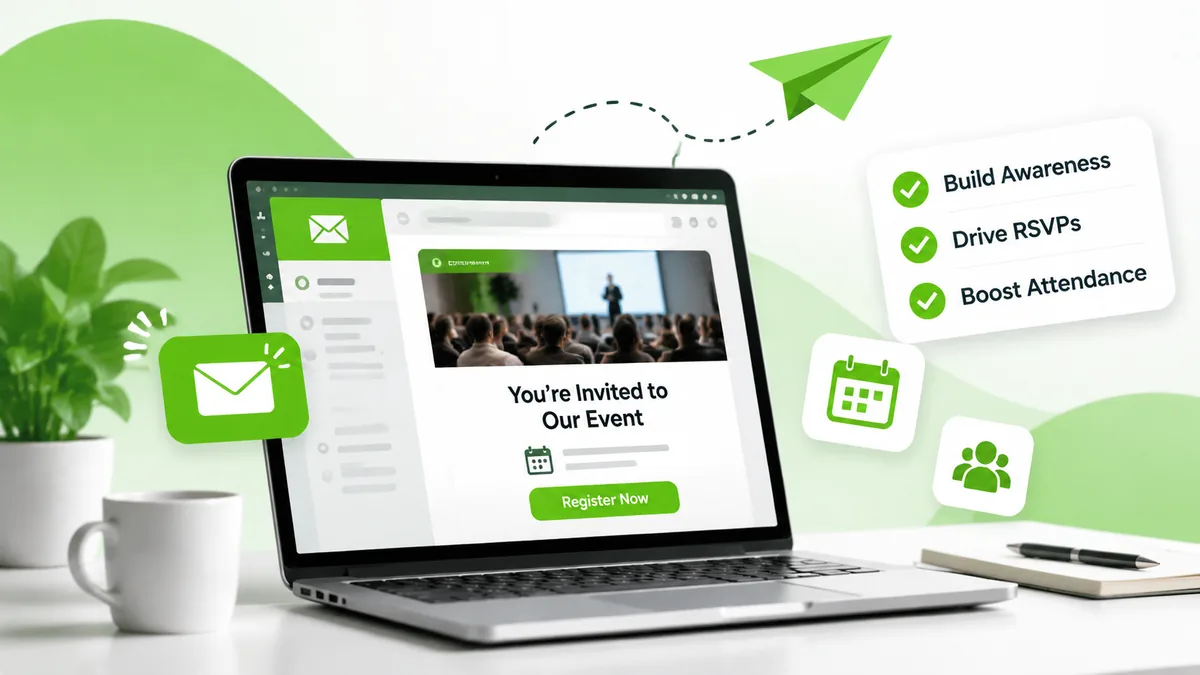
Organising an event requires more than choosing a venue, arranging speakers, and preparing an engaging programme. Event organisers also need an effective communication strategy to attract attendees and encourage registrations. Email marketing for events remains one of the most practical ways to reach potential participants, share important information, and build excitement before the event begins.
Whether you are planning a business conference, professional networking session, product launch, or virtual gathering, a well-planned email campaign can improve attendance and strengthen relationships with your audience. The key is to deliver relevant information at the right time instead of sending repeated promotional messages.
Why Event Email Marketing Matters?
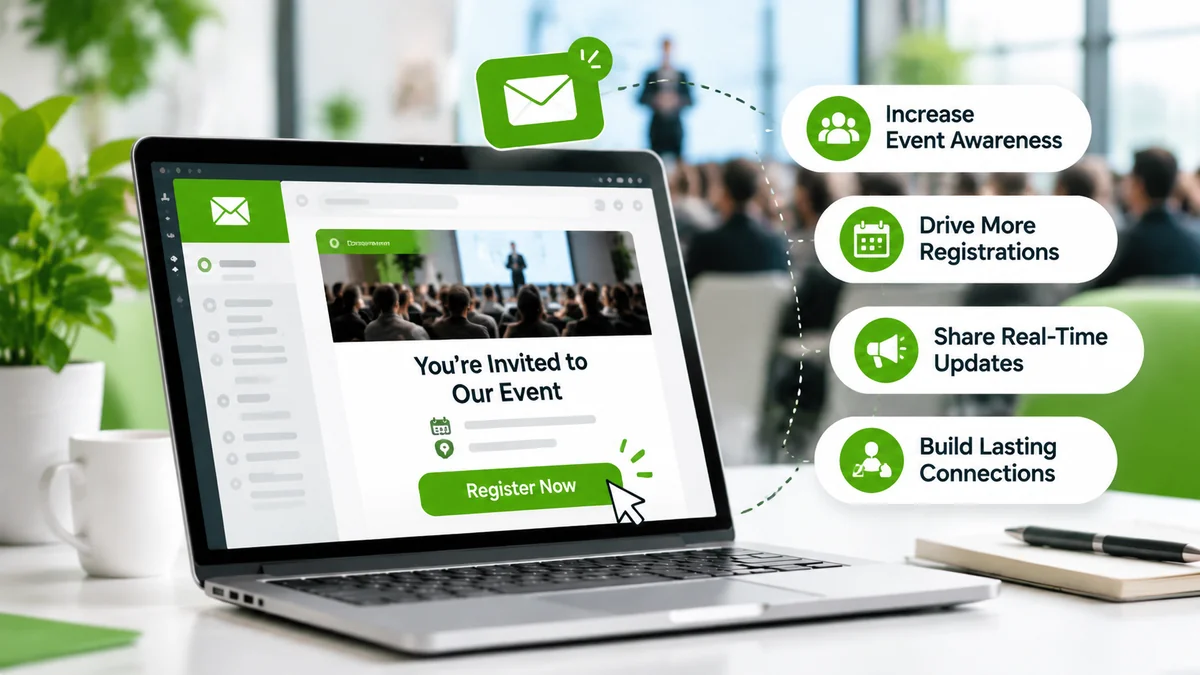
Email gives organisers a direct communication channel with registered attendees and prospective participants. Unlike social media posts, which depend on platform algorithms, emails reach people through their inboxes.
A structured event email marketing strategy helps organisers achieve several objectives:
Increase event awareness among relevant audiences.
Encourage early registrations through timely announcements.
Share schedules, speaker details, and event updates.
Remind registered participants about upcoming sessions.
Maintain relationships with attendees after the event.
Email campaigns also help organisers understand audience interest through open rates, click-through rates, and registration conversions.
1. Define Your Event Audience
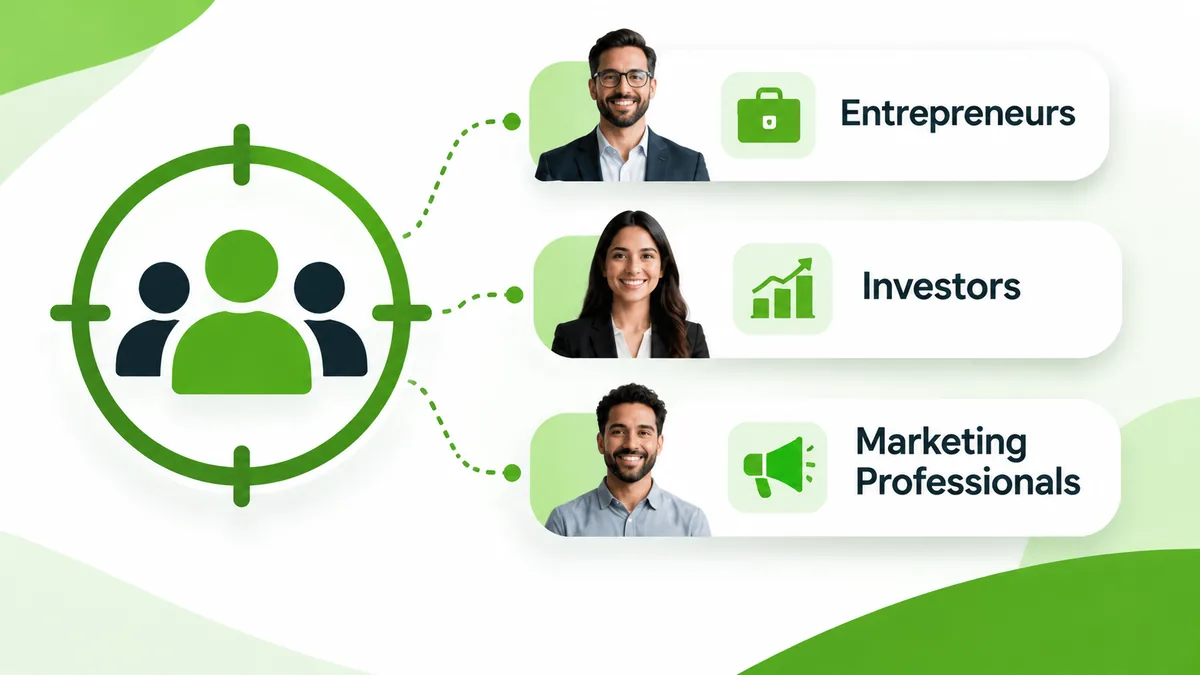
Before creating an email campaign, identify the people most likely to benefit from your event. A corporate conference may target business owners, industry professionals, and decision-makers, while a technology event may attract developers, investors, and startup founders.
Segmenting your contact list according to professional interests, industries, locations, and previous event participation makes communication more relevant.
For example, an organiser hosting a business networking conference can send different invitations to entrepreneurs, investors, and marketing professionals. Each group receives information that highlights the sessions and networking opportunities most relevant to them.
This approach makes email marketing for events more focused because recipients are more likely to engage with messages that address their interests.
2. Create Compelling Subject Lines
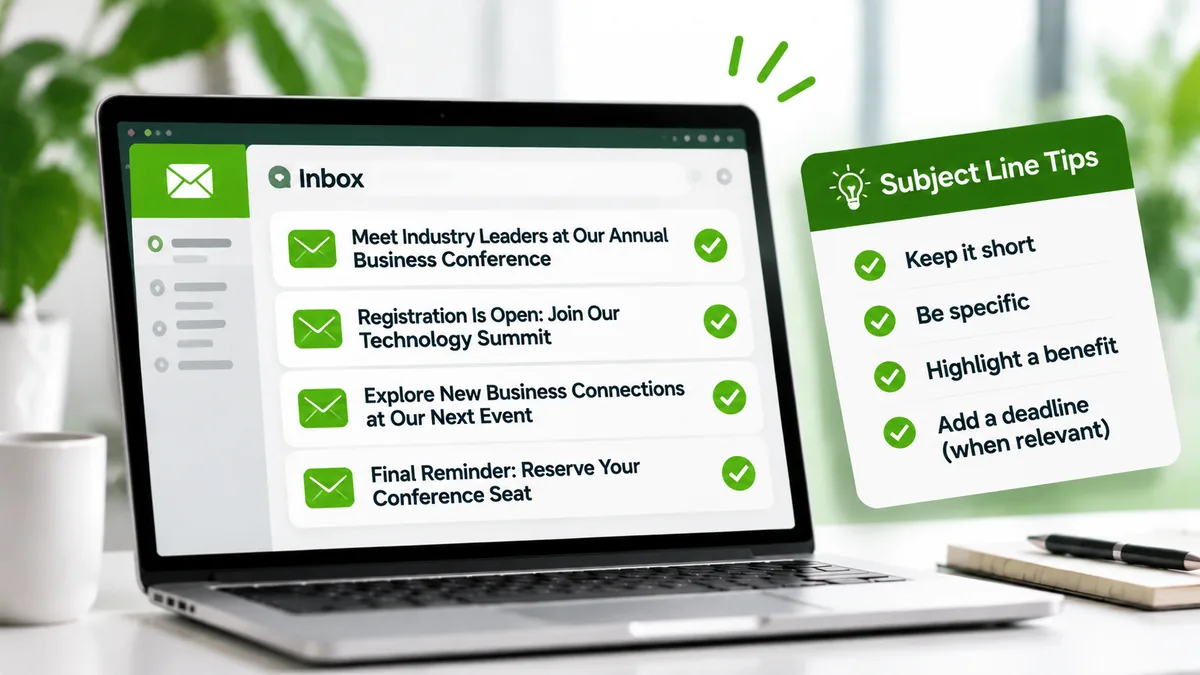
The subject line is often the first thing recipients notice. A vague or overly promotional subject may cause people to ignore an invitation.
Keep subject lines short, specific, and informative. Mention the event name, key benefit, or registration deadline where appropriate. Examples include:
Meet Industry Leaders at Our Annual Business Conference
Registration Is Open: Join Our Technology Summit
Explore New Business Connections at Our Next Event
Final Reminder: Reserve Your Conference Seat
Avoid excessive capitalisation, misleading claims, and unnecessary promotional language. Your subject line should accurately reflect the email content.
3. Use a Structured Email Campaign
A successful campaign should communicate with potential attendees throughout the event journey.
Consider organising messages into these stages:
| Campaign Stage | Email Purpose |
|---|---|
| Announcement | Introduce the event and its purpose |
| Registration | Explain benefits and encourage sign-ups |
| Speaker Updates | Highlight speakers and important sessions |
| Reminder | Share dates, timings, and attendance details |
| Final Reminder | Provide joining instructions and essential information |
| Follow-up | Share resources, feedback forms, and future updates |
A planned sequence prevents communication gaps and helps participants stay informed.
4. Personalise Emails and Include Clear CTAs
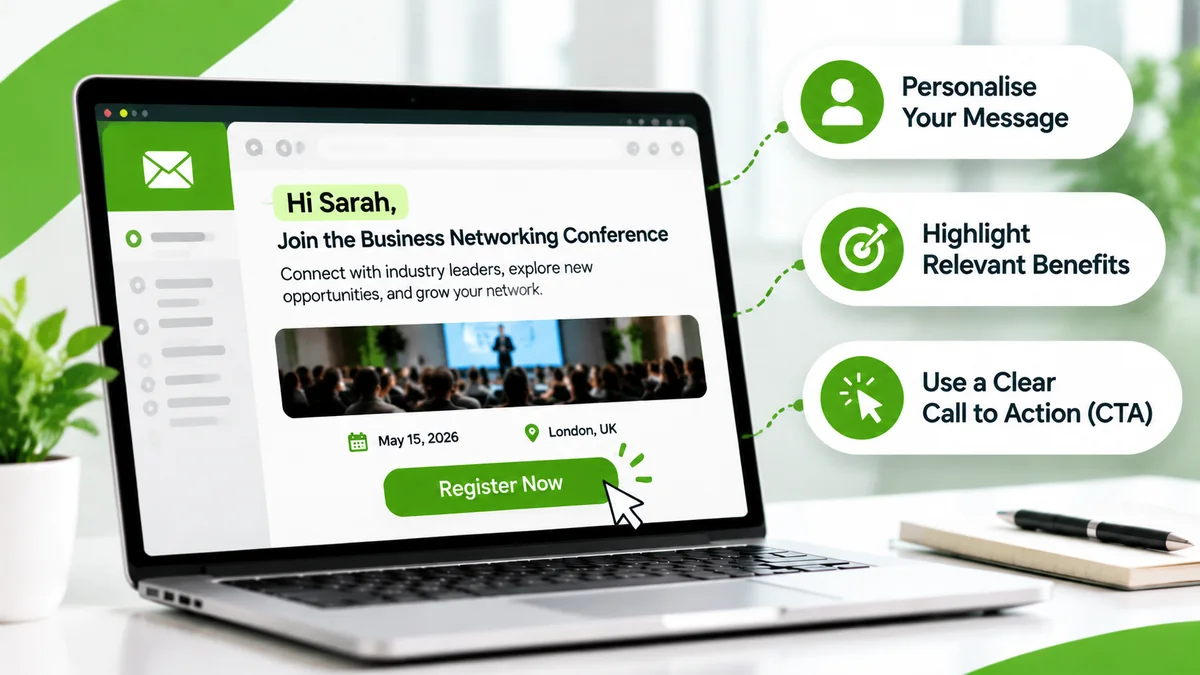
Personalisation involves more than adding someone's name to an email. Organisers should consider what each recipient wants to gain from attending.
A potential investor may be interested in meeting founders, while a marketing professional may want to explore industry trends and practical strategies.
Include one clear call to action, such as registering, viewing the agenda, confirming attendance, or accessing event details.
When promoting networking opportunities, explain how participants can connect with relevant professionals rather than simply promising general networking.
5. Combine Email With Event Networking Tools
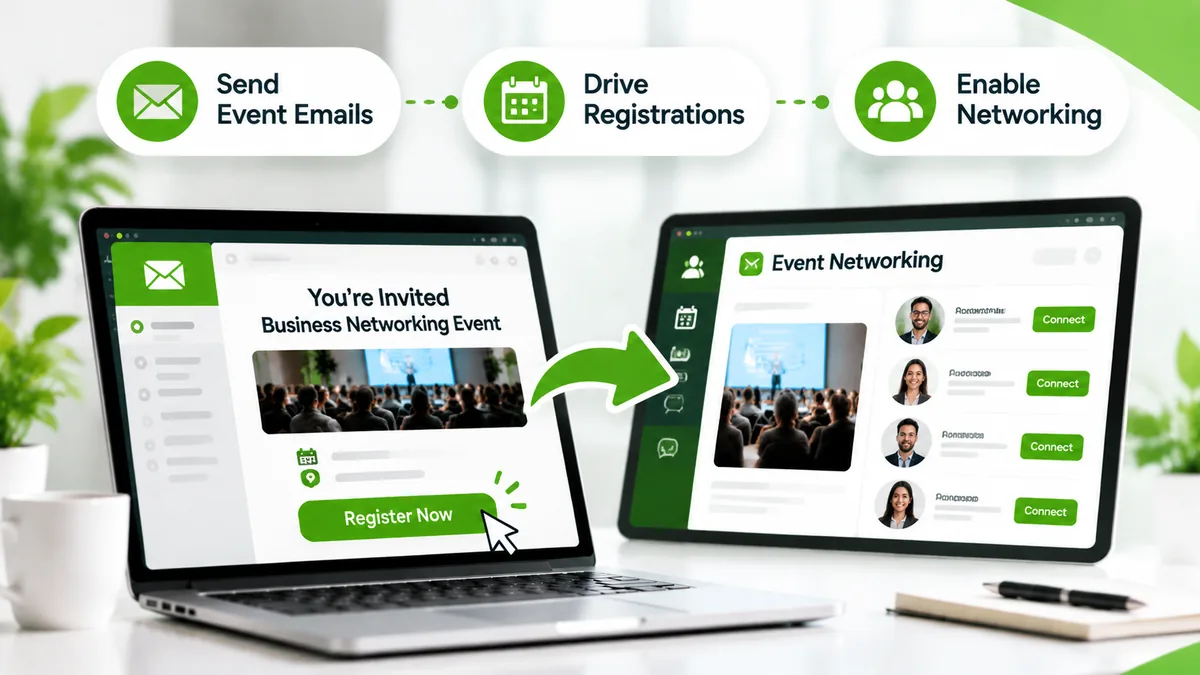
Email can attract attendees, but the event experience determines whether they build meaningful connections. Organisers should connect their communication strategy with practical event technology.
A professional network platform can help attendees discover relevant participants, arrange meetings, and maintain professional relationships. Similarly, networking apps can make it easier to find people with shared interests.
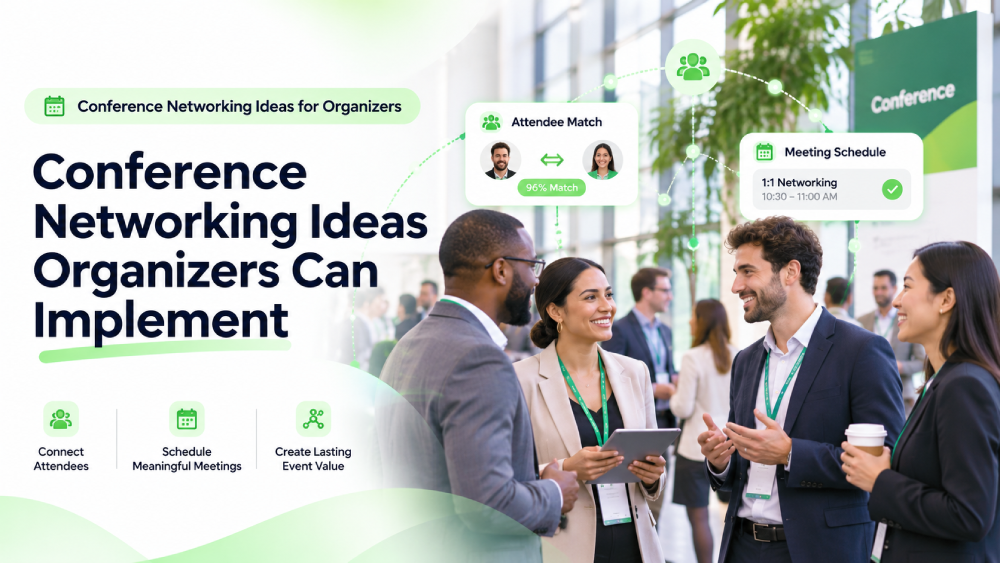
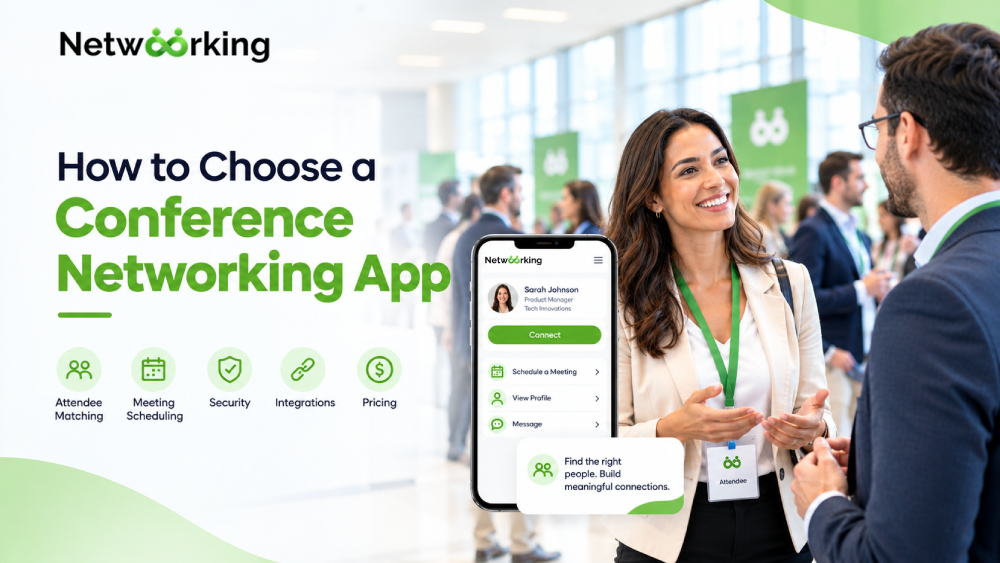
For conferences and business gatherings, an event networking app can provide attendee profiles, messaging, meeting schedules, and connection recommendations.
Netwoor AI supports smarter event networking through AI-powered matching and attendee engagement features, helping organisers make professional connections an important part of the event experience.
6. Measure Campaign Performance
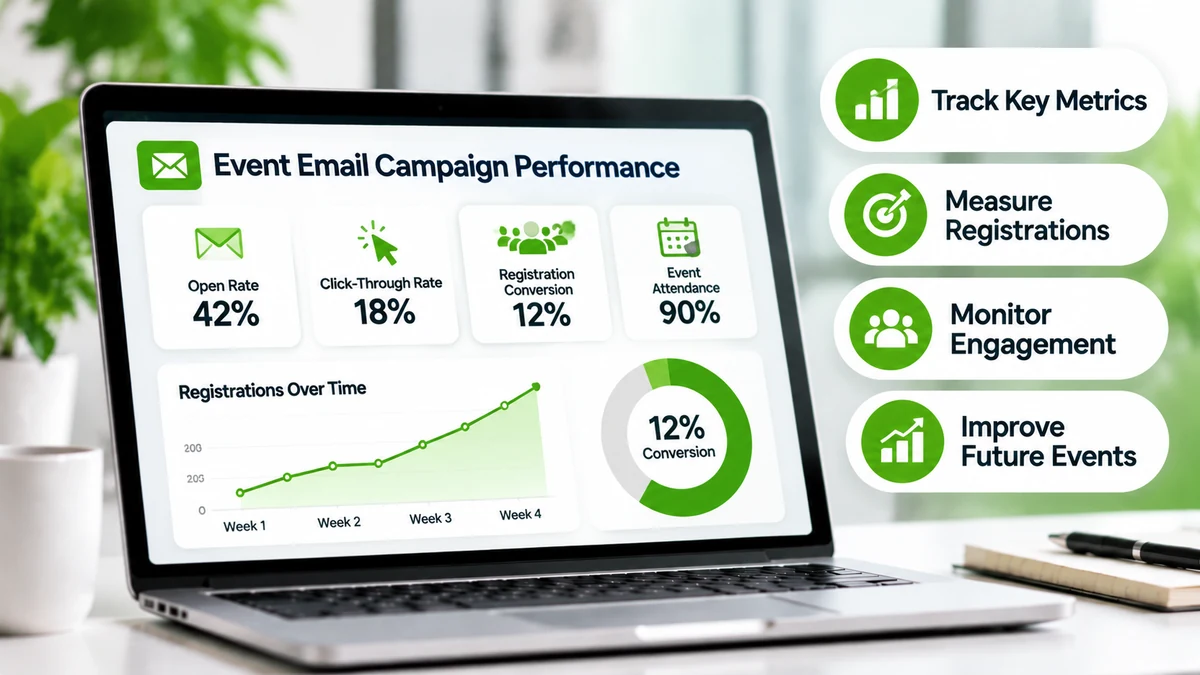
Sending emails is only one part of the process. Organisers should evaluate whether their campaigns generate meaningful results. Important metrics include:
Open rate: Indicates how many recipients opened an email.
Click-through rate: Measures engagement with email links.
Registration conversion: Shows how many recipients registered.
Unsubscribe rate: Helps identify communication or targeting issues.
Attendance rate: Compares registrations with actual participation.
These insights help improve future campaigns and support better event ROI measurement.
Common Email Marketing Mistakes to Avoid
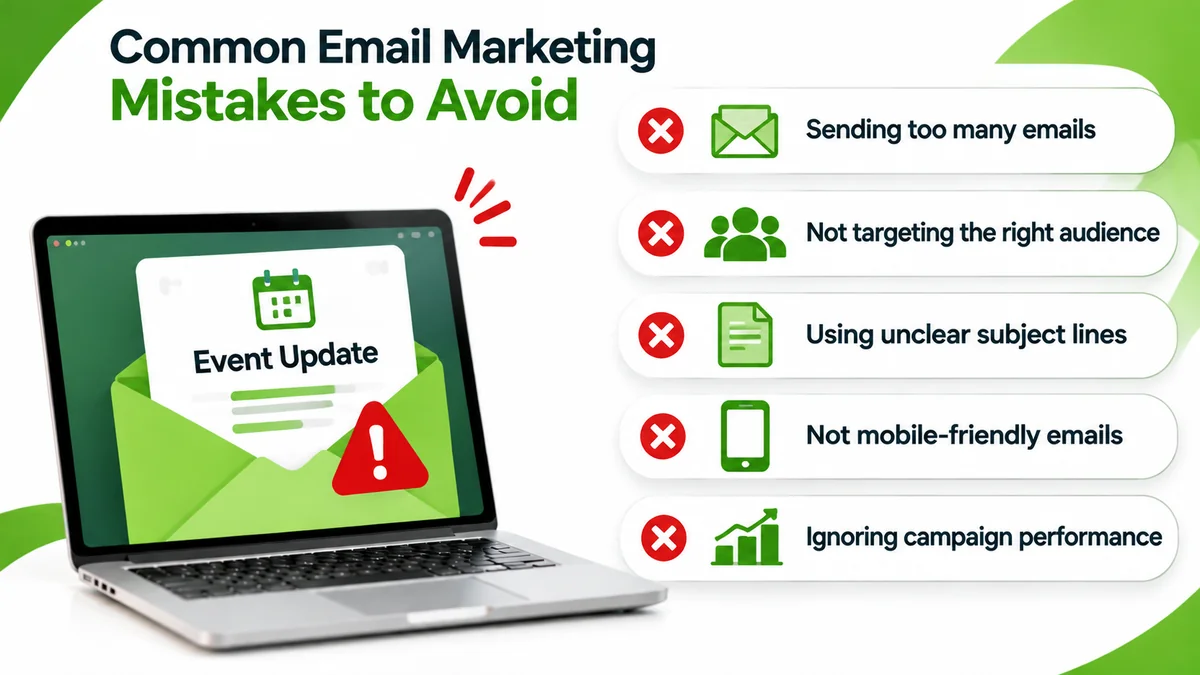
Even a well-designed campaign can underperform when basic practices are overlooked.
Avoid sending too many reminders, using unclear subject lines, overlooking mobile readability, and including multiple competing calls to action. Always verify registration links, dates, and event information before sending.
It is also important to obtain appropriate consent and provide a clear unsubscribe option in accordance with applicable email marketing requirements.
Conclusion
Effective event communication starts with understanding the audience and delivering useful information throughout the registration journey. From compelling invitations to timely reminders and post-event follow-ups, a structured email strategy can improve participation and strengthen professional relationships.
When combined with relevant networking technology, organisers can create an experience that extends beyond registration and encourages lasting connections.
FAQs
1. When should event invitation emails be sent?
Ideally, send invitations several weeks before the event, depending on its size and audience.
2. How many reminder emails should organisers send?
Two or three well-timed reminders are generally a reasonable starting point.
3. What makes an event email effective?
A clear subject line, relevant information, attractive design, and one strong call to action.
4. Should organisers send emails after an event?
Yes. Follow-up emails help collect feedback, share resources, and maintain relationships.
Get the next article in your inbox
Stay updated with practical insights, product updates, and networking tips — delivered straight to your inbox.