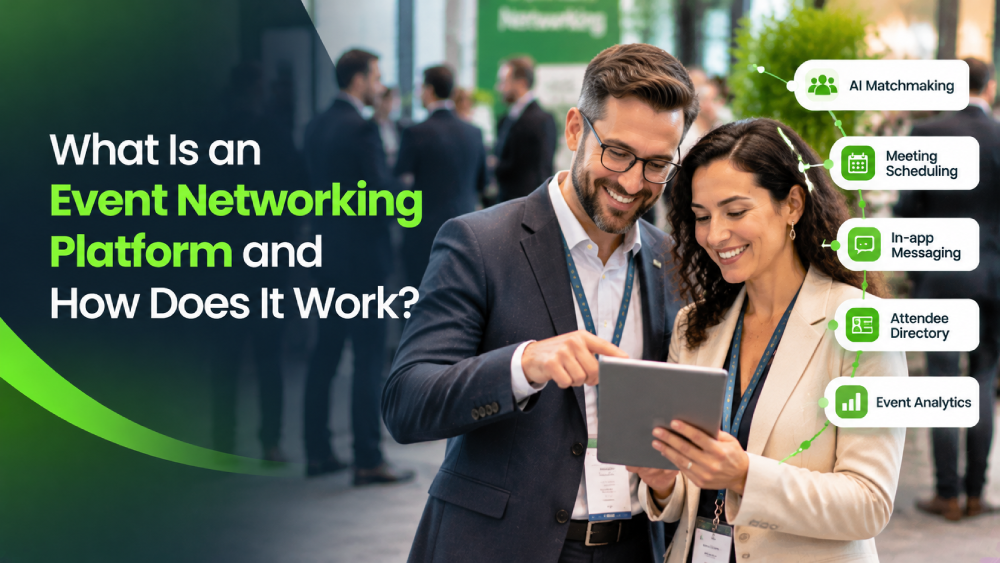
Attending an event is a great way to meet new people, share ideas, and build professional relationships. However, finding the right people to connect with at a busy conference or business event can be difficult. This is where an event networking platform helps. It makes networking easier by connecting attendees with people who share similar interests, professional goals, and business needs.
Instead of relying only on random conversations, attendees can use digital tools to find relevant connections before, during, and after an event. These platforms help event organizers create better experiences while making it easier for participants to build meaningful professional relationships.
What Is an Event Networking Platform?
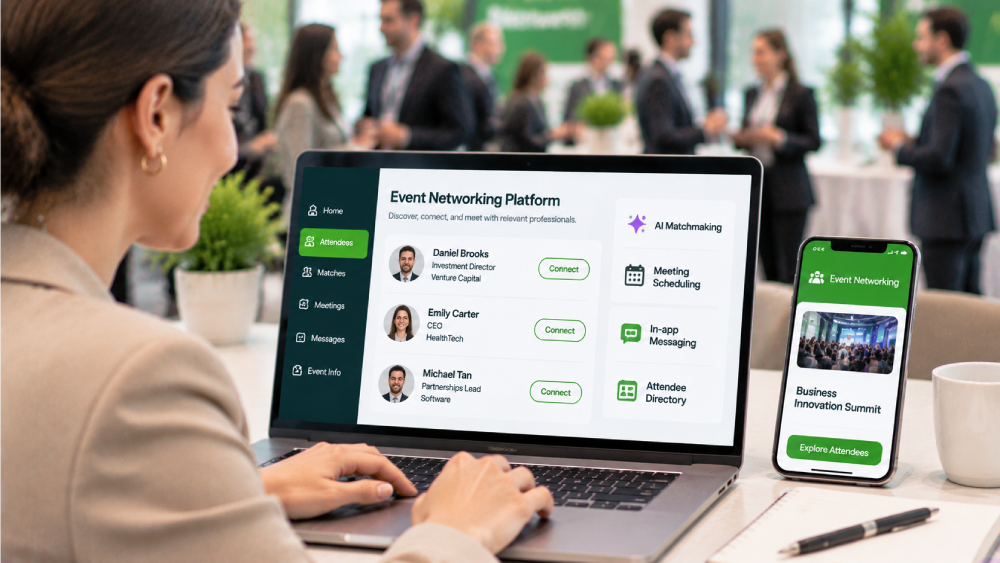
An event networking platform is a digital solution that helps attendees, speakers, exhibitors, and organizers connect during events. It provides tools to discover people, exchange information, schedule meetings, and continue conversations.
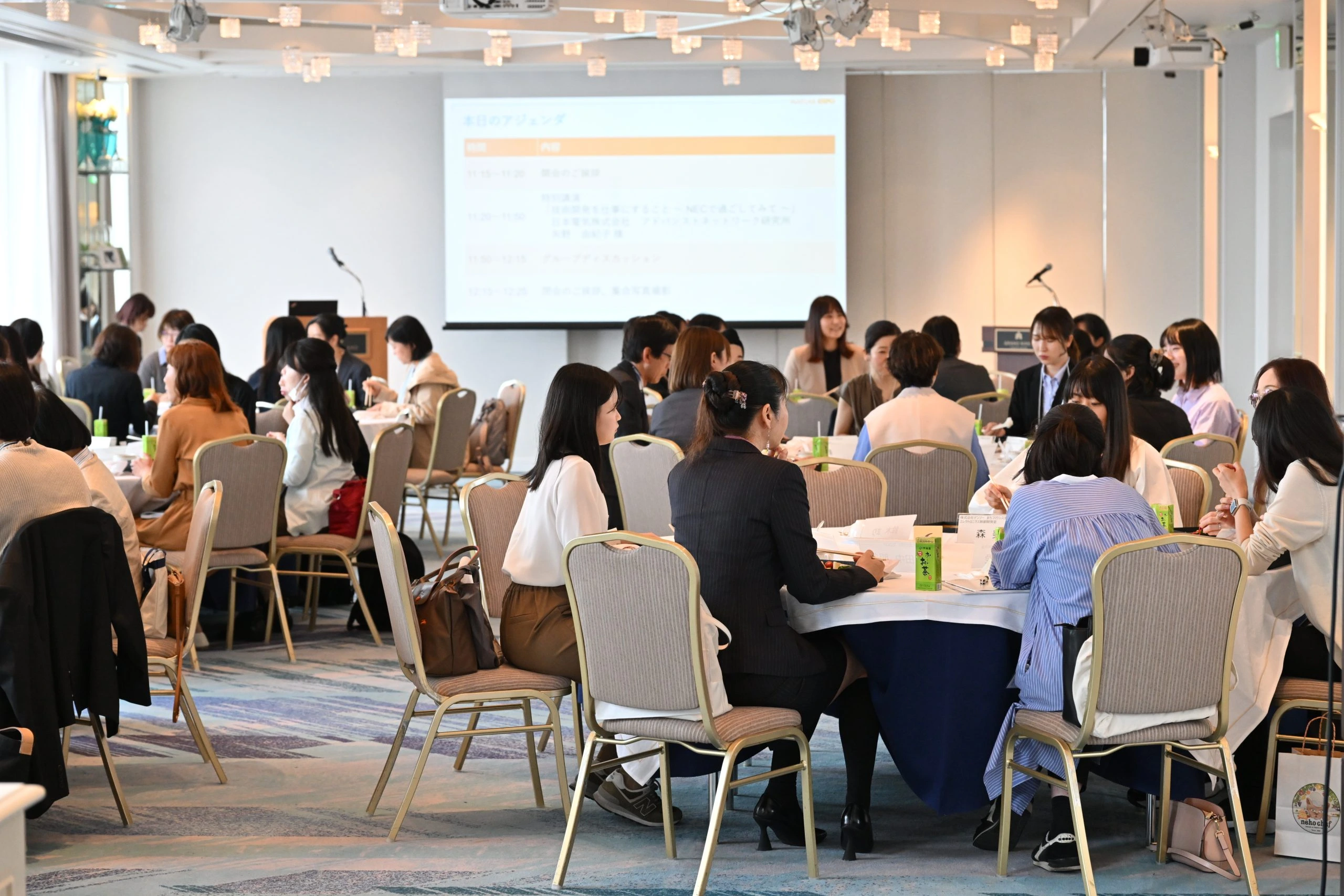
These platforms are commonly used for business conferences, trade shows, exhibitions, startup networking events, and professional meetups.
Unlike traditional networking, where people depend on chance meetings, digital networking tools help attendees find relevant professionals based on their industries, interests, and goals.
How Does an Event Networking Platform Work?
An event networking platform usually works through a simple process that supports connections at every stage of an event.
1. Attendee Registration and Profile Creation
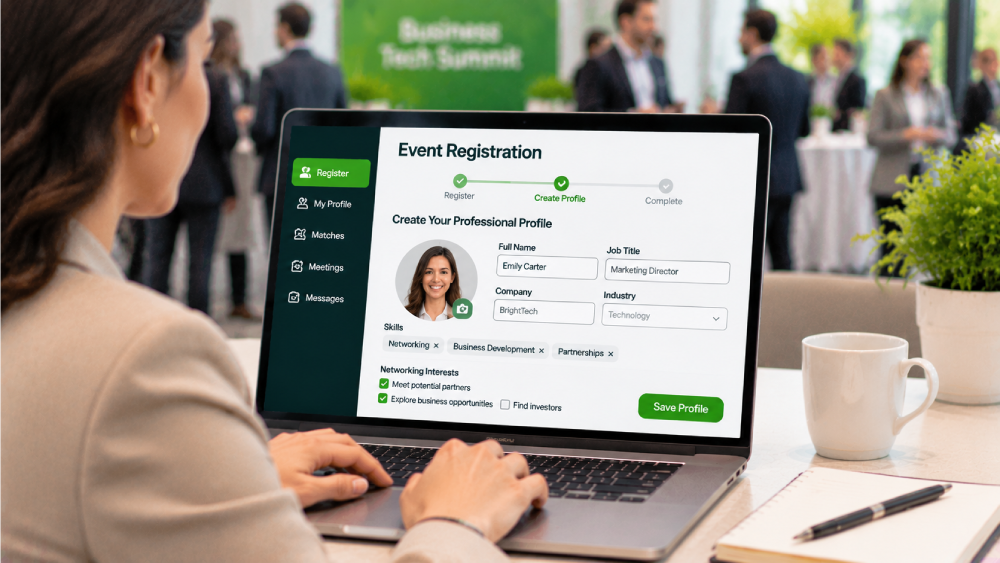
First, attendees register for an event and create their professional profiles. They can add their names, job titles, companies, industries, skills, and networking interests.
This information helps the platform understand who is attending and what types of connections they are looking for.
2. Smart Matching and Recommendations
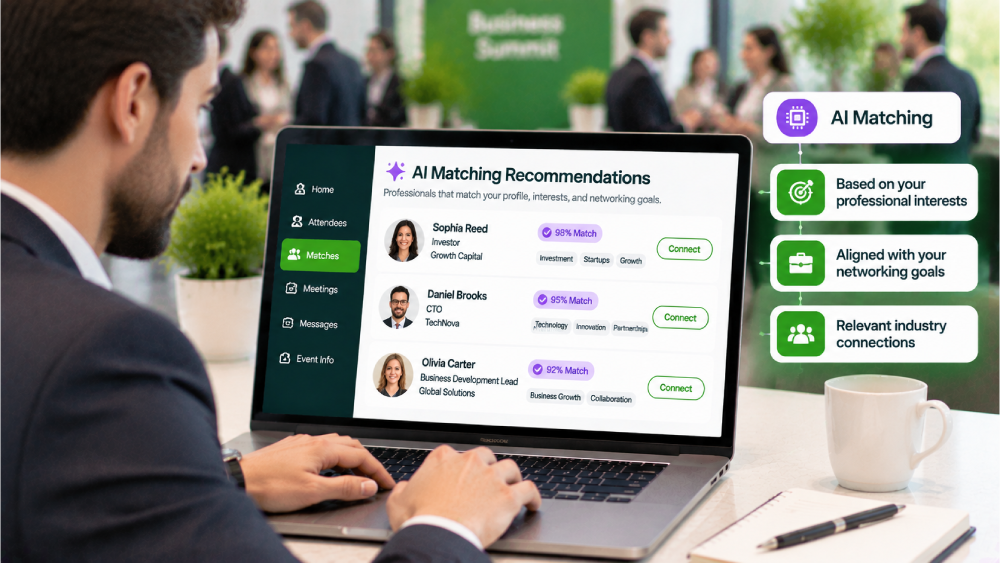
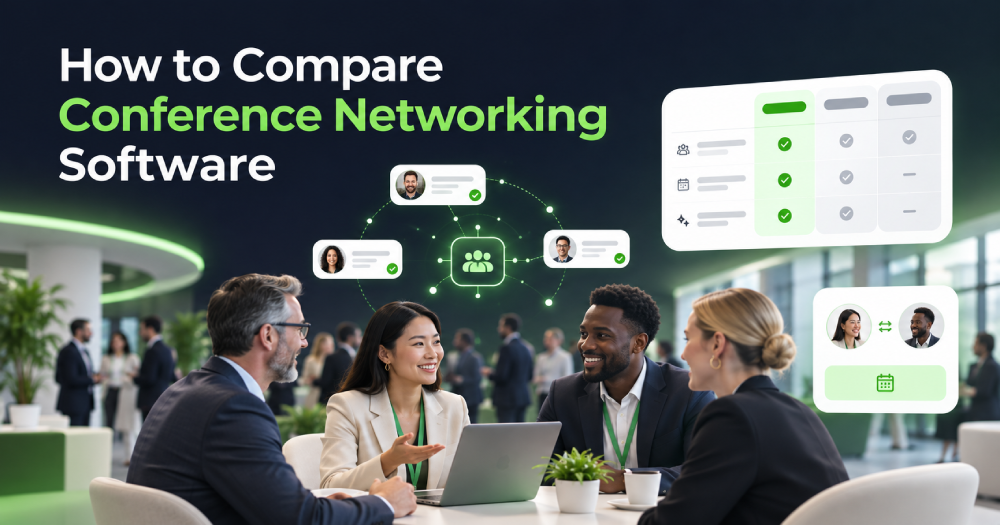
Many modern platforms use AI to recommend relevant connections. They analyse attendee profiles, professional interests, and networking goals to suggest people who may be valuable to meet.
For example, a startup founder looking for investors can discover potential investors attending the same conference. This makes conference networking software more useful and targeted.
3. Finding and Connecting With Attendees
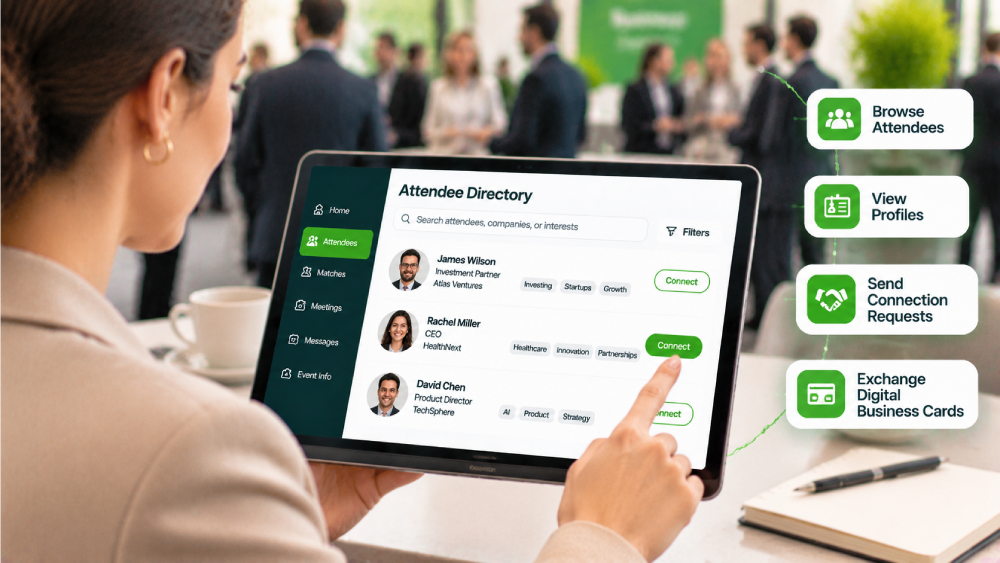
Once profiles are available, attendees can browse suggested connections, send requests, and start conversations.
A networking event app may also allow users to exchange digital business cards, share contact information, and send messages without carrying printed business cards.
4. Meeting Scheduling and Event Engagement
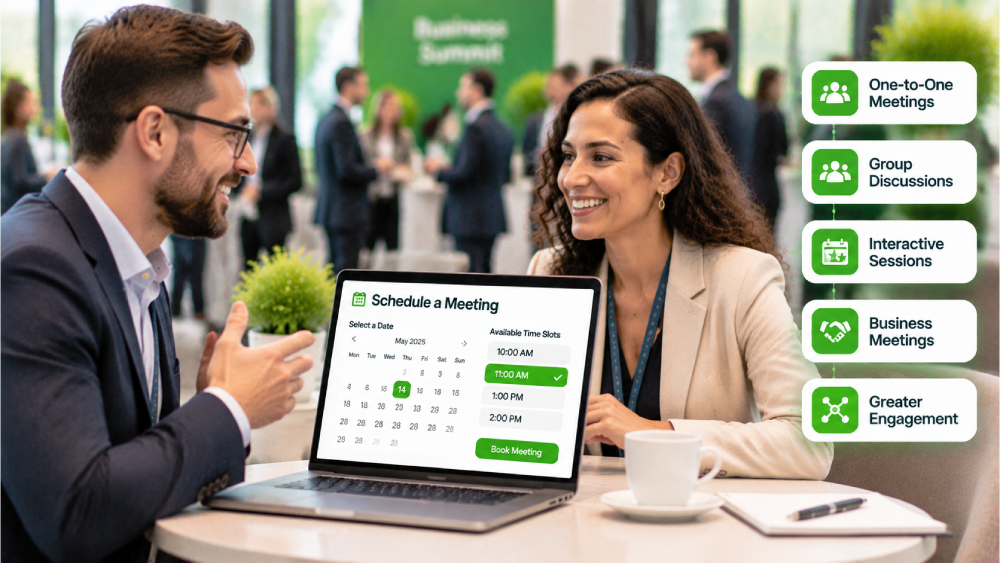
Some platforms allow attendees to schedule one-to-one meetings with other participants. They can check availability, select meeting times, and plan their networking activities.
Organizers can also use conference networking tools to arrange group discussions, interactive sessions, and business meetings.
5. Follow-Ups After the Event
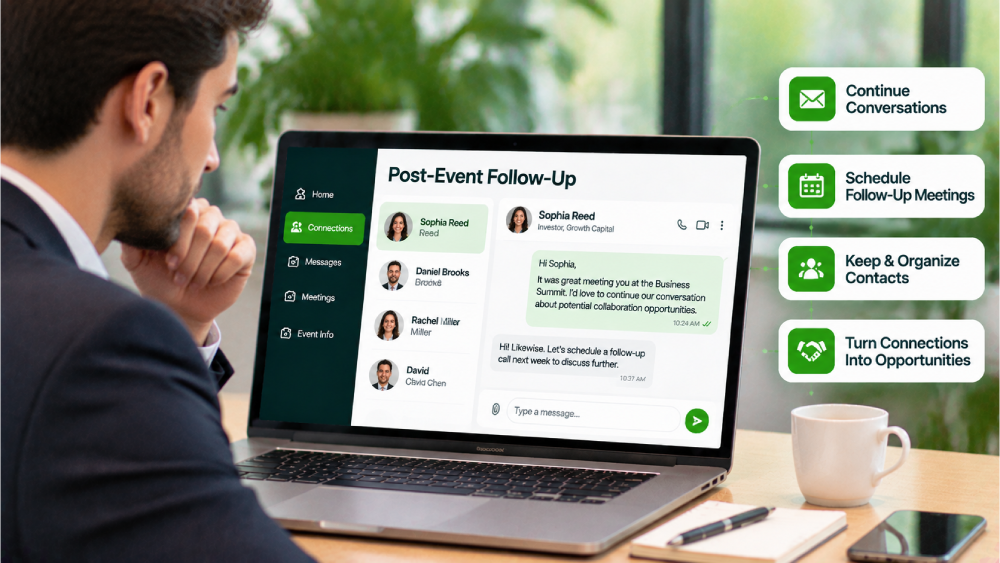
Networking should not end when an event finishes. Attendees can use the platform to revisit connections, exchange messages, and continue professional conversations.
This helps turn short event interactions into long-term business relationships.
Key Features of an Event Networking Platform
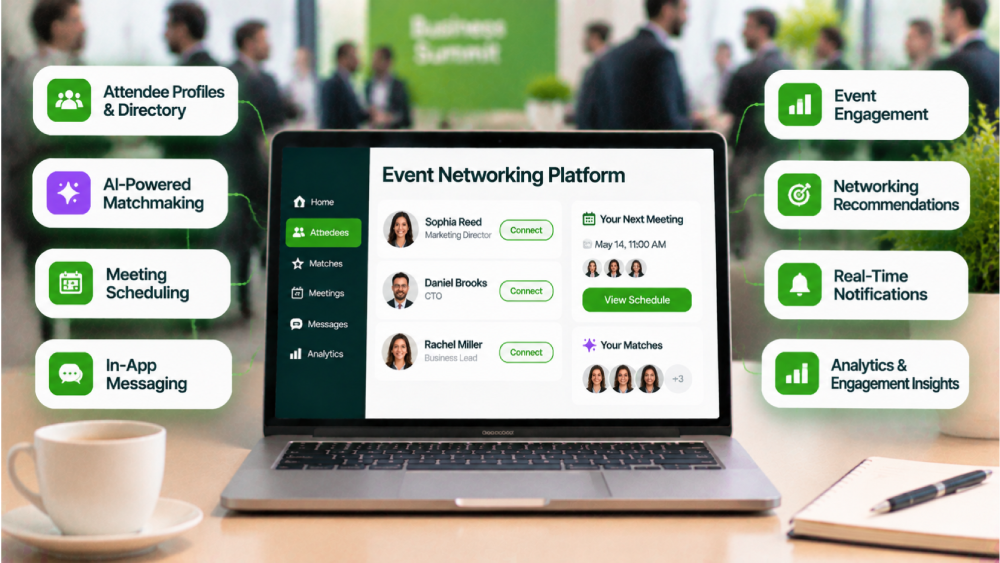
The right platform offers features that make networking simple and organized.
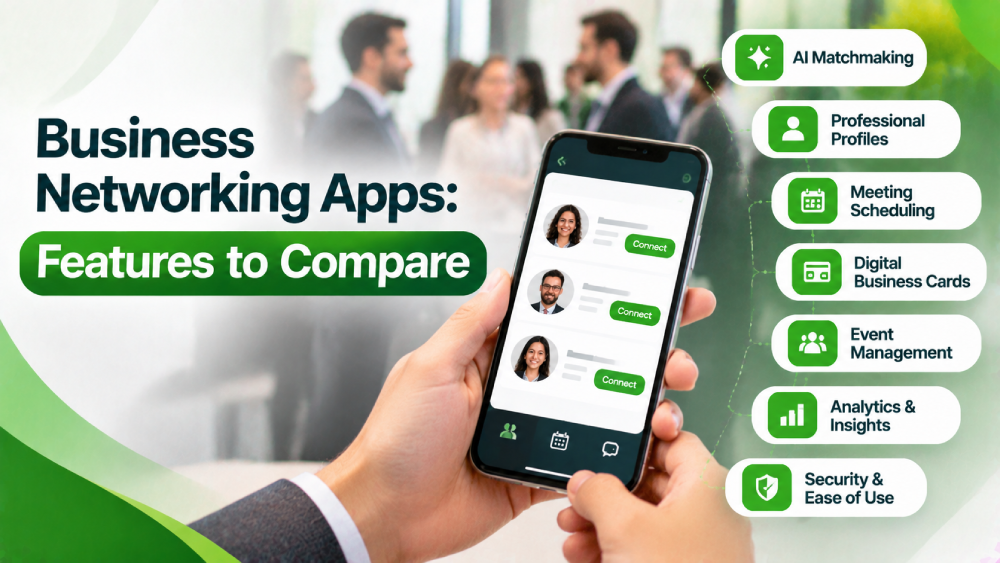
AI-powered matchmaking: Suggests relevant people based on professional interests and goals.
Digital business cards: Makes sharing professional contact details easier.
Meeting scheduling: Helps attendees arrange one-to-one meetings.
In-app messaging: Allows participants to communicate before and after events.
Attendee directories: Helps users discover speakers, exhibitors, and other professionals.
Event analytics: Gives organizers insights into attendee engagement and networking activity.
A good conference networking app brings these features together in one place, reducing the need for multiple tools.
Benefits for Event Organizers and Attendees
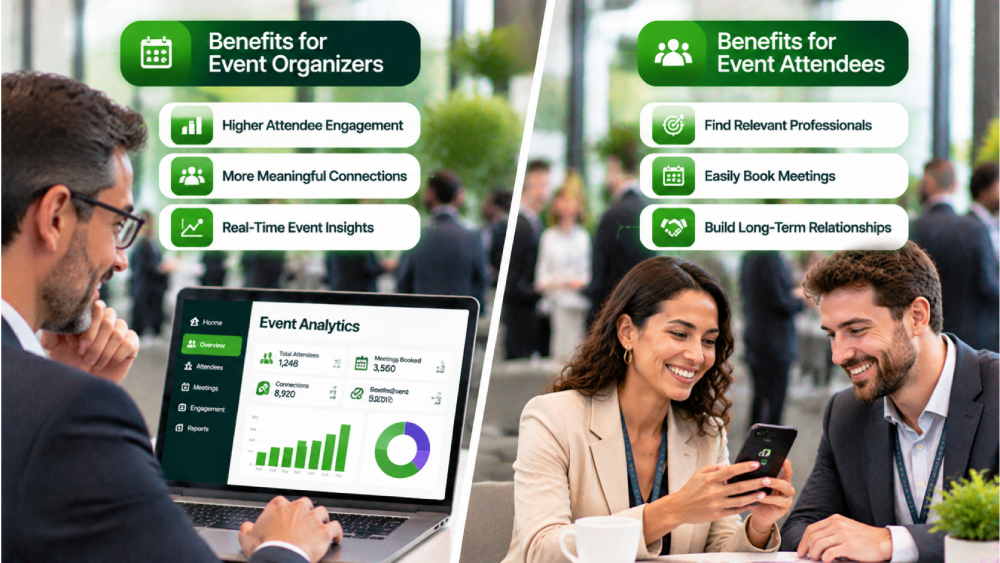
An effective networking solution benefits both event organizers and participants.
For attendees, it saves time, makes it easier to find relevant professionals, and creates more opportunities for meaningful conversations. Participants can plan their meetings instead of spending time searching for people to connect with.
For organizers, these platforms improve attendee engagement and provide useful information about event participation. They can understand which sessions attract attention, how people interact, and whether networking activities are delivering value.
For businesses, better connections can lead to partnerships, sales opportunities, collaborations, and professional growth.
Conclusion
An event networking platform makes professional networking more organized, accessible, and effective. From attendee registration and smart matchmaking to meeting scheduling and post-event communication, these tools support the complete networking experience.
For event organizers, they offer better ways to engage attendees and understand participation. For professionals, they create opportunities to build valuable relationships that continue beyond the event.
Frequently Asked Questions
1. Who can use an event networking platform?
Attendees, speakers, exhibitors, businesses, and event organizers can use these platforms.
2. Can attendees connect before an event starts?
Yes. Many platforms allow users to discover profiles and arrange meetings before the event.
3. Are event networking platforms useful for virtual events?
Yes. They help virtual attendees discover professionals, exchange messages, and schedule online meetings.
4. How do AI-powered networking platforms improve connections?
They analyse professional profiles and interests to recommend relevant people, reducing random networking.
Get the next article in your inbox
Stay updated with practical insights, product updates, and networking tips — delivered straight to your inbox.