
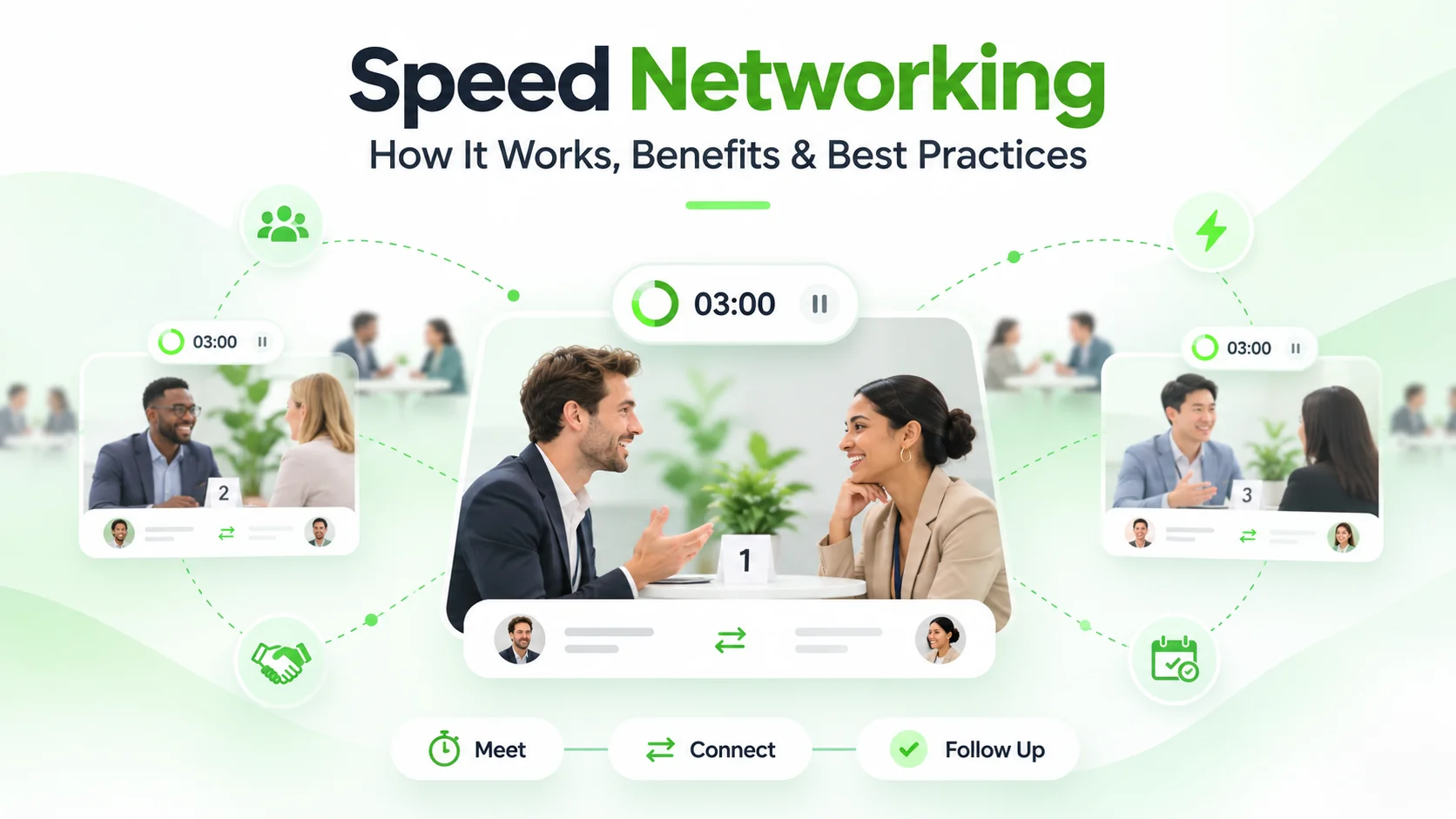
Professional networking can be challenging when attendees have limited time and hundreds of people to meet. Traditional networking sessions often depend on spontaneous conversations, which can make it difficult for participants to connect with relevant professionals.
Speed networking offers a more structured alternative. It brings participants together for short, timed conversations, allowing them to introduce themselves, exchange information, and identify potential professional opportunities within a limited period.
Whether organized at conferences, corporate gatherings, or startup events, speed networking can make professional introductions more organized and accessible.
What Is Speed Networking?
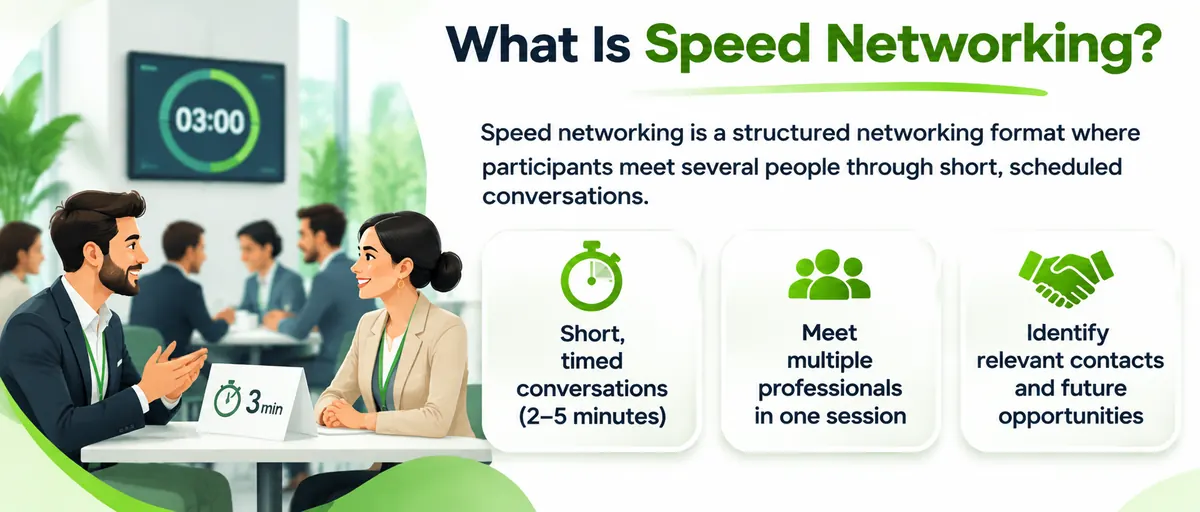
Speed networking is a structured networking format where participants meet several people through short, scheduled conversations.
Each interaction usually lasts between two and five minutes, although organizers can adjust the timing according to the event's audience and objectives.
After each conversation, participants move to another person or join a new meeting according to the event schedule.
The purpose is not to establish a complete business relationship in a few minutes. Instead, it helps attendees identify relevant contacts and decide which conversations are worth continuing.
How Does Speed Networking Work?
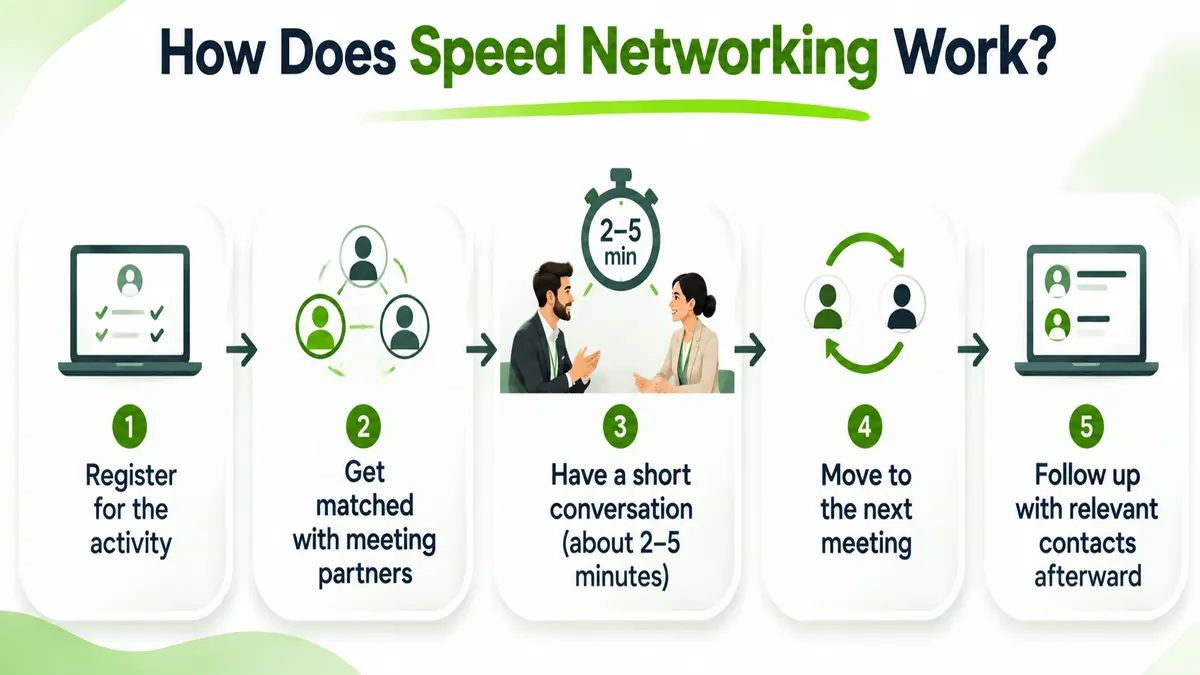
A typical session follows a simple process:
Participants register for the activity.
Organizers assign meeting partners or groups.
Attendees receive their meeting schedules.
Each conversation begins at a designated time.
Participants move to the next meeting.
Attendees follow up with relevant contacts afterward.
This format can work in physical venues and through online meeting systems.
Benefits of Speed Networking
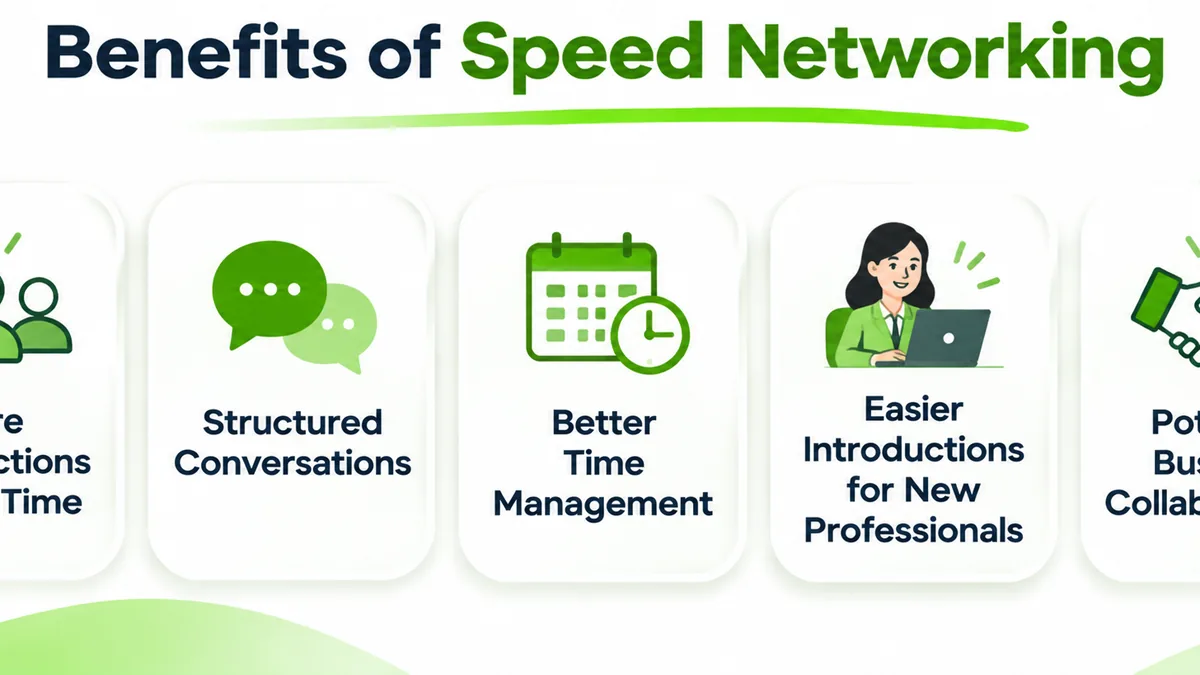
1. More Introductions in Less Time
Participants can meet several professionals during one session rather than spending the entire networking period with a single group.
2. Structured Conversations
The timed format gives attendees a clear reason to introduce themselves and discuss their professional interests.
3. Better Time Management
Organizers can schedule networking sessions around presentations, workshops, and other event activities.
4. Opportunities for New Professionals
People who are uncomfortable approaching strangers may find structured introductions easier than unplanned conversations.
5. Potential Business Collaborations
Short introductions can help professionals identify shared interests and opportunities for future discussions.
These benefits of speed networking make the format useful for business conferences, professional associations, and startup gatherings.
Popular Speed Networking Formats
Different formats work for different audiences and event sizes.
| Format | How it works | Best for |
|---|---|---|
| One-to-one rotation | Participants change partners after each session | Small and large groups |
| Group networking | Small groups discuss shared topics | Industry events |
| Virtual speed networking | Short online meetings | Remote professionals |
| Industry-based matching | Participants meet relevant professionals | Specialized conferences |
| Reverse networking | Participants rotate while hosts remain seated | Structured business events |
Seven Best Practices for Organizing Speed Networking
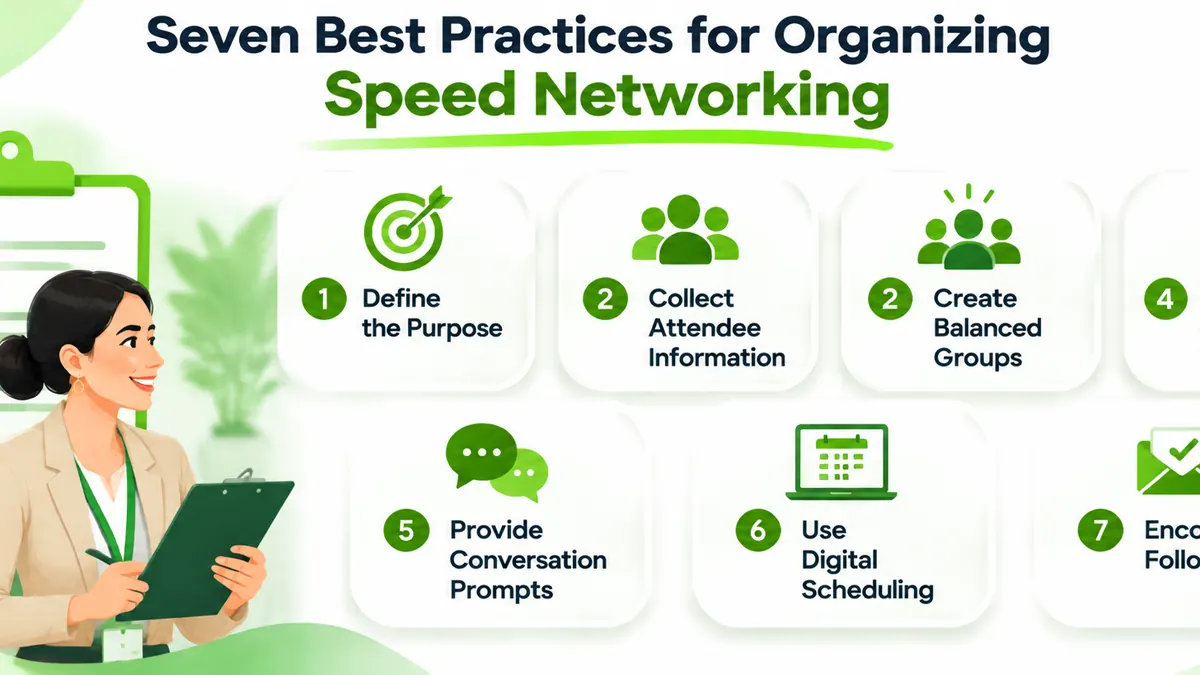
A successful session requires clear instructions, suitable timing, and an organized participant experience.
Here are seven practical recommendations:
1. Define the Purpose
Decide whether participants should meet potential clients, investors, partners, recruiters, or industry experts.
2. Collect Attendee Information
Ask participants about their professional backgrounds and networking objectives during registration.
3. Create Balanced Groups
Organize participants according to relevant interests, industries, or professional roles.
4. Set Appropriate Time Limits
Allow enough time for introductions and a short discussion without making sessions unnecessarily long.
5. Provide Conversation Prompts
Share questions that help participants begin conversations naturally.
6. Use Digital Scheduling
Digital tools can simplify meeting assignments and reduce confusion during transitions.
7. Encourage Follow-Up
Give attendees a way to exchange contact details and continue relevant conversations after the session.
Questions to Ask During Speed Networking
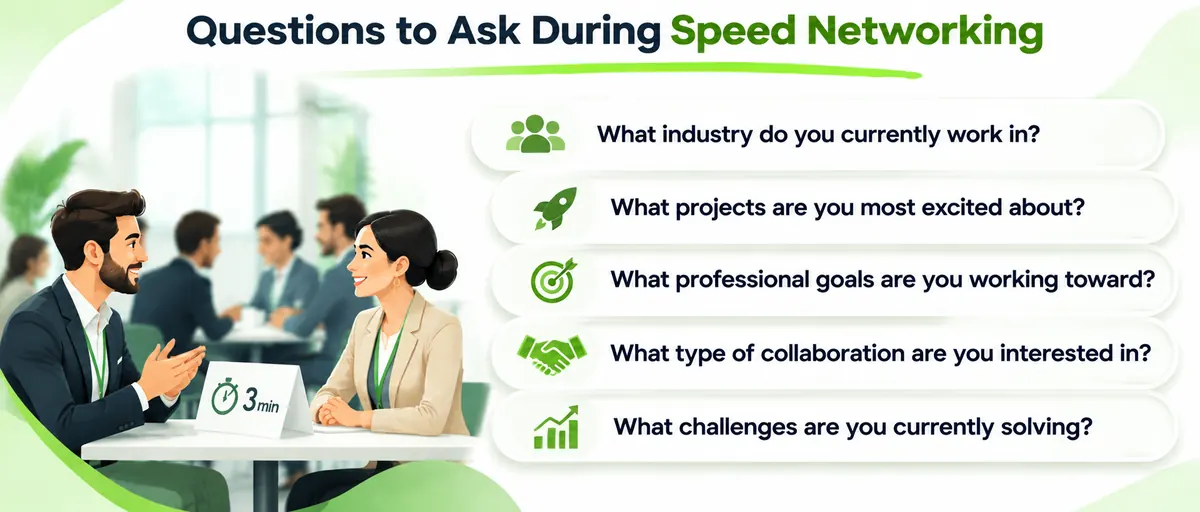
Participants often struggle to decide what to discuss during short networking sessions.
Useful speed networking questions include:
What industry do you currently work in?
What projects are you most excited about?
What professional goals are you working toward?
What type of collaboration are you interested in?
What challenges are you currently solving?
These questions help participants understand each other's interests without turning the conversation into a formal interview.
How Technology Improves Speed Networking
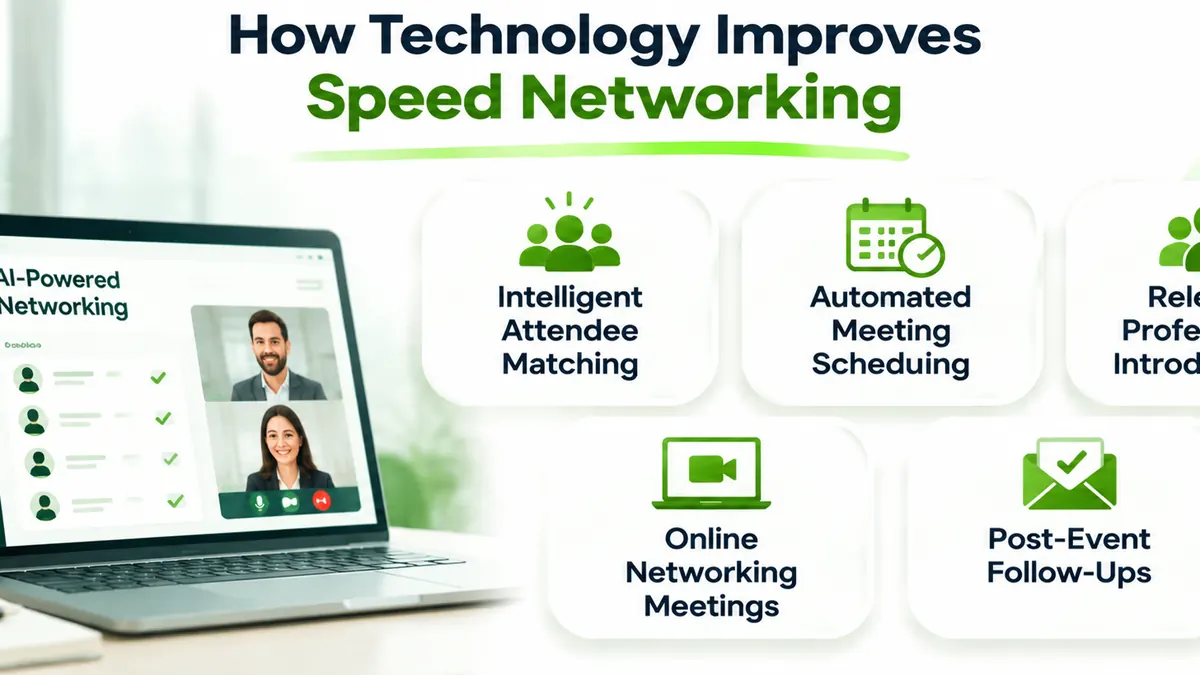
Managing meetings manually can become difficult when an event has hundreds of participants.
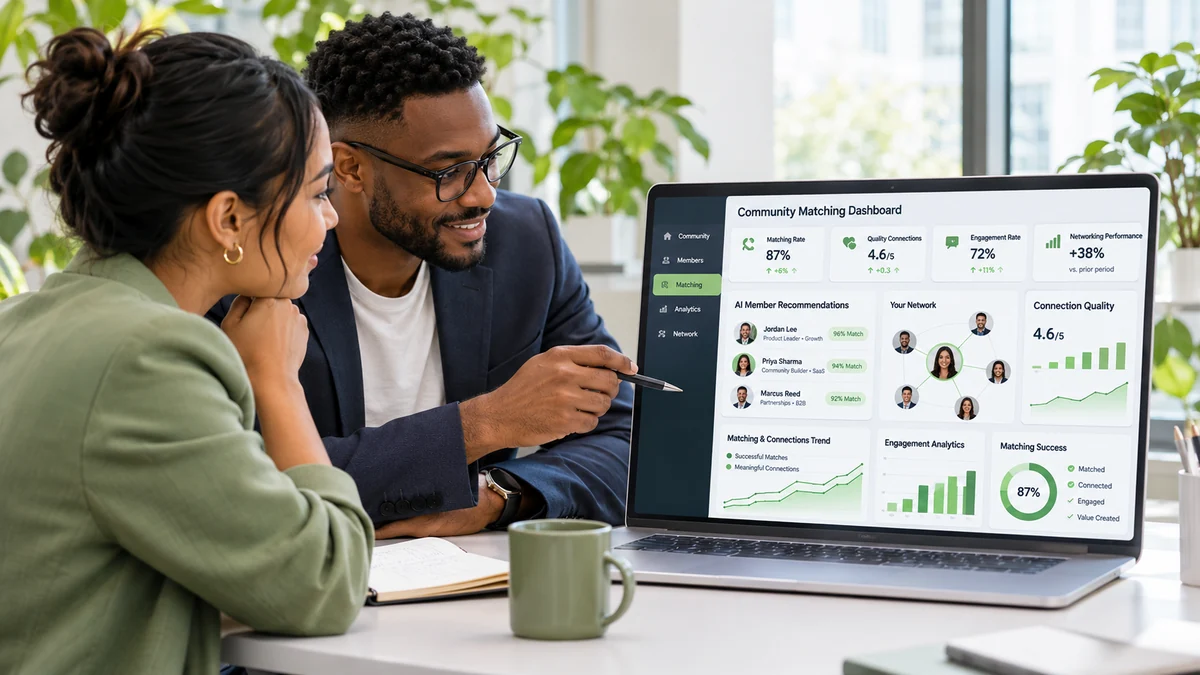
A dedicated speed networking platform can help organizers coordinate schedules, assign meeting partners, and provide attendees with relevant information.
Netwoor supports intelligent connection discovery, helping professionals identify potentially relevant contacts and make networking more targeted.
For event organizers, combining structured meeting formats with intelligent matching can improve the overall networking experience.
Common Mistakes to Avoid
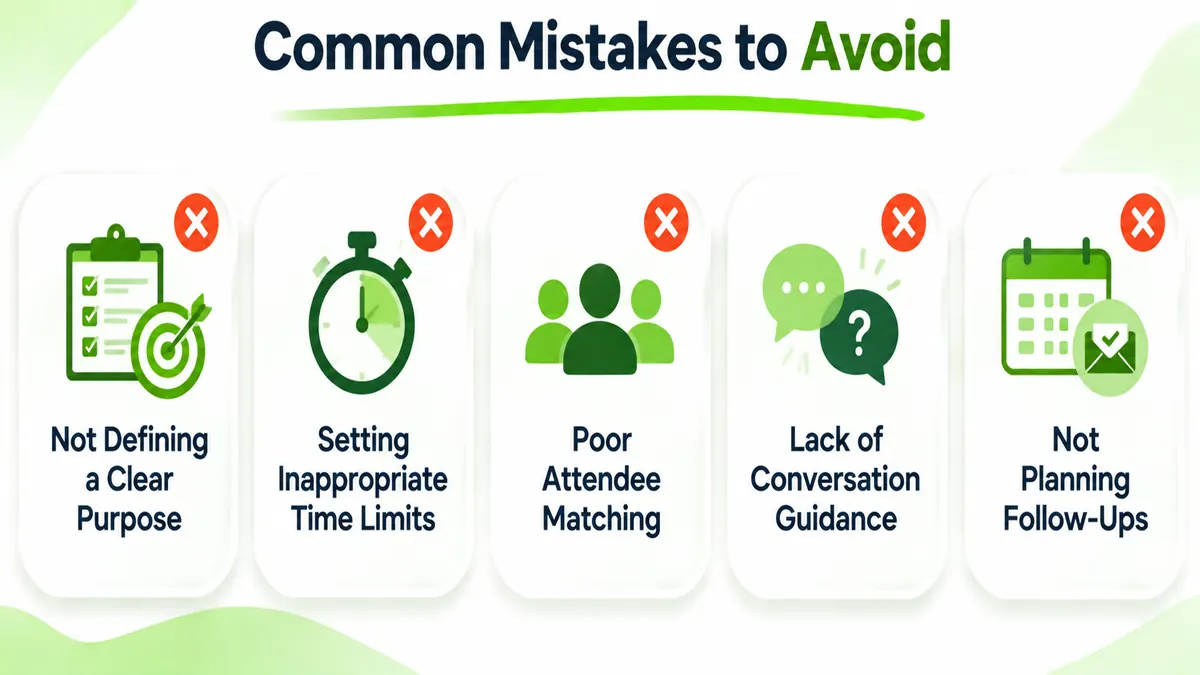
Even a well-planned activity can become ineffective if organizers overlook basic details.
Avoid these mistakes:
Allowing conversations to become too long.
Creating random matches without considering attendee interests.
Providing unclear meeting instructions.
Ignoring accessibility and technical requirements.
Failing to provide post-event follow-up opportunities.
Conclusion
Speed networking provides a structured way for professionals to meet multiple people within a limited period. It can improve introductions, support business discovery, and make networking sessions easier to organize.
With clear objectives, suitable matching, effective scheduling, and consistent follow-up, organizers can create valuable networking experiences for their attendees.
Frequently Asked Questions
1. How long should a speed networking session last?
Individual conversations usually last two to five minutes, depending on the event format.
2. How many people can participate?
The format can accommodate small groups or hundreds of participants with proper scheduling.
3. Is speed networking useful for online events?
Yes. Virtual meetings can recreate the same short, structured introduction format.
4. What should participants discuss?
They should introduce their professional backgrounds, interests, goals, and potential collaboration opportunities.
Get the next article in your inbox
Stay updated with practical insights, product updates, and networking tips — delivered straight to your inbox.