

Professional networking events often bring together people who want to exchange ideas, explore business opportunities, and develop new relationships. However, meeting several people within a limited period can be challenging when conversations lack direction. Preparing speed networking questions can help participants start discussions quickly and make each interaction more meaningful.
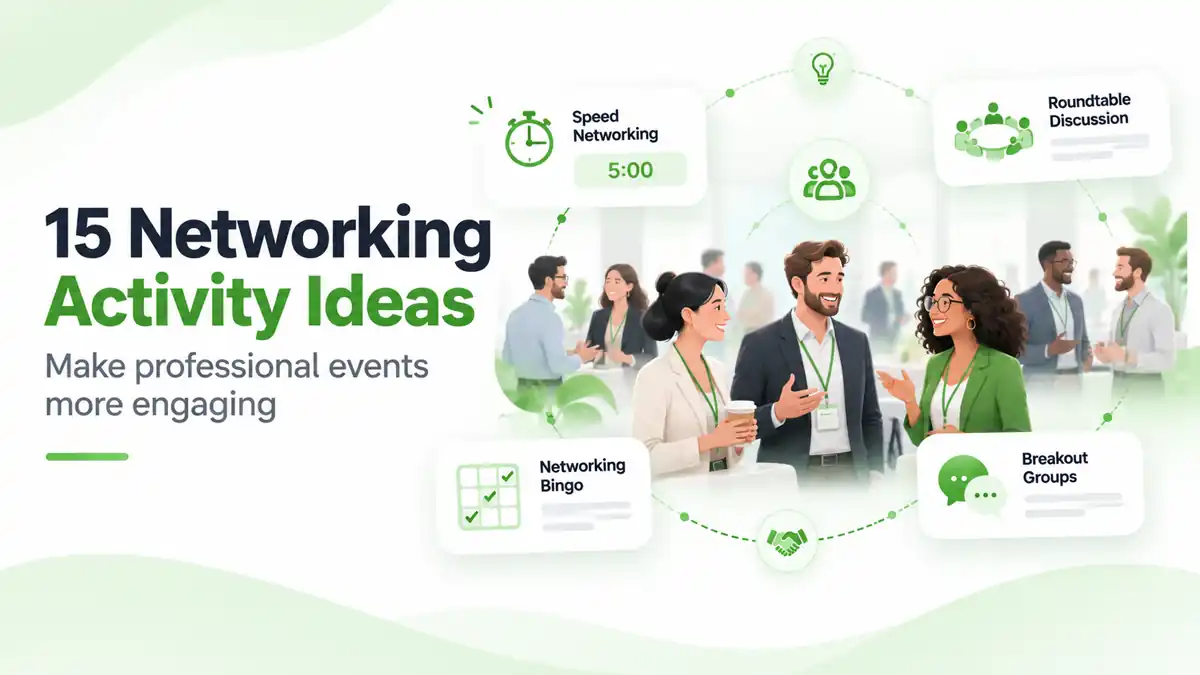
Speed networking is a structured activity in which attendees have short conversations with different participants before moving to another person. It is commonly used at business conferences, professional meetups, startup events, and corporate gatherings.
What Is Speed Networking?

Speed networking is similar to speed dating in its timed format, but the purpose is professional relationship-building rather than romantic introductions.
Participants usually sit or stand in pairs and talk for a few minutes. When the allotted time ends, they move to another person or change partners according to the organiser's instructions. This format allows attendees to meet several professionals within one session.
The effectiveness of speed networking questions depends on how relevant and easy they are to answer. Simple, open-ended questions help participants avoid awkward pauses and move beyond basic introductions.
20 Questions to Ask During Speed Networking
The following questions can help participants start conversations and understand each other's professional interests.
Questions for Quick Introductions

What brings you to this event?
What do you do professionally?
Which industry do you work in?
How long have you been working in your current field?
What are you hoping to gain from today's event?
These questions help participants understand each other's backgrounds without spending too much time on introductions.
Questions About Professional Experience

What do you enjoy most about your work?
What has been your biggest professional achievement?
Which skills have helped you most in your career?
What is one challenge your industry is currently facing?
What recent development has influenced your work?
These questions can lead to more interesting discussions and help attendees discover shared professional interests.
Questions About Business and Collaboration

What type of clients or businesses do you usually work with?
Are you currently working on an interesting project?
What kind of professional partnerships are you exploring?
What makes a business connection valuable to you?
Is there a particular skill or service you are looking for?
These questions are particularly useful at entrepreneurship and business networking events.
Questions About Future Goals

What professional goal are you currently working towards?
Which industry trends are you most interested in?
What would you like to learn from other professionals?
What advice would you give someone entering your industry?
What is the best way to stay connected after this event?
These questions can help participants identify opportunities for future conversations.
How to Make Speed Networking More Effective?

Keep Your Introduction Short
Prepare a brief introduction that explains your name, professional role, and main area of work. Avoid giving a lengthy description of your career or business during a short conversation.
Ask Open-Ended Questions
Questions that encourage explanations generally create better conversations than those requiring only yes-or-no answers.
Listen Actively
Pay attention to the other person's responses and ask relevant follow-up questions. Do not spend the entire interaction thinking about what you will say next.
Respect Time Limits
Speed networking works because each conversation has a clear duration. Keep your responses concise and allow both participants to contribute.
Identify Relevant Connections
Rather than trying to meet everyone, focus on recognising people whose interests or professional goals align with yours.
How Event Organisers Can Plan Speed Networking
Organisers should decide how many participants will attend, how long each conversation will last, and how people will rotate between partners. Prepare clear instructions and consider providing conversation prompts for participants who may find introductions difficult.
A networking event platform can help organisers manage attendee profiles and support connection discovery. Netwoor AI uses intelligent matching to help participants discover relevant professional connections based on shared interests and professional backgrounds.
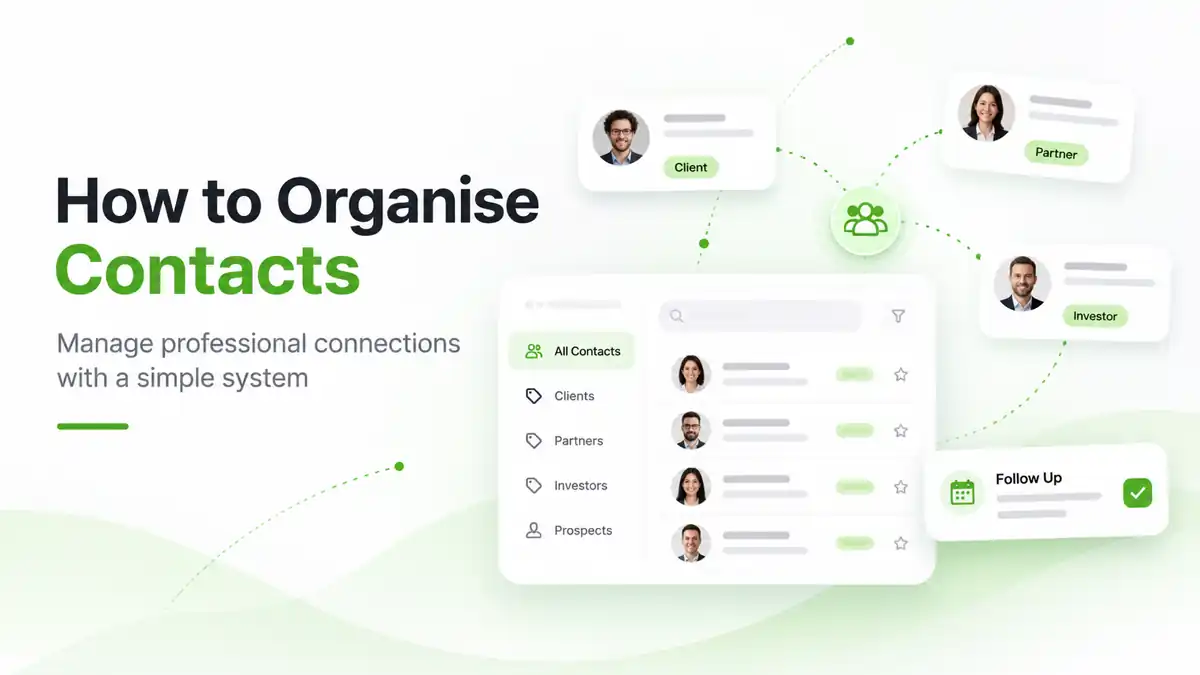
Organisers can also encourage attendees to exchange contact details and continue promising conversations after the session.
Conclusion
Speed networking provides an efficient way to meet professionals, exchange ideas, and identify potential opportunities. Thoughtful questions can make short interactions more productive and help participants feel comfortable approaching unfamiliar people.
By combining concise introductions, active listening, and relevant follow-ups, attendees can turn brief conversations into valuable professional relationships.
FAQs
1. How long should each speed networking conversation last?
Around three to five minutes is a practical starting point.
2. How many people can participate in speed networking?
The format can accommodate small groups and large conferences, depending on the rotation system.
3. Should participants bring business cards?
They can bring printed cards or use digital contact-sharing options.
4. What happens after a speed networking session?
Participants can follow up with relevant contacts and continue conversations outside the event.
Get the next article in your inbox
Stay updated with practical insights, product updates, and networking tips — delivered straight to your inbox.