


Businesses and professional organisations increasingly use digital channels to communicate with customers, employees, partners, and industry communities. Conferences, workshops, product launches, and professional gatherings no longer need to take place exclusively in physical venues. Understanding why are virtual events important helps organisations evaluate how online gatherings can support communication, learning, marketing, and professional networking.
Virtual events allow participants to join activities through internet-connected devices, reducing the need for travel and making it easier to reach geographically diverse audiences. However, their value extends beyond convenience. When properly planned, online gatherings can create opportunities for collaboration and engagement that support broader business objectives.
How Virtual Events Have Changed Professional Communication?

Traditional events usually require participants to travel to a specific location. Although in-person gatherings offer valuable interaction, they can involve significant travel expenses, scheduling challenges, and venue limitations.
Virtual formats provide another way to bring people together.
A business can organise a product launch for customers across multiple countries, while a professional association can host an educational session for members who cannot attend physically.
The growing use of digital communication explains why are virtual events important for organisations that want to maintain connections across different locations.
They Expand Audience Reach
One of the main advantages of online gatherings is their ability to connect people who live or work in different locations.
A company based in the United States can host a webinar for customers in Europe, Asia, and other regions without requiring everyone to travel.
This wider reach can help businesses introduce products, share knowledge, and engage potential customers.
However, organisers should consider time zones, language requirements, and internet accessibility when planning international events.
They Can Reduce Event Costs
Physical events may involve venue rental, catering, accommodation, travel, and on-site staffing expenses.
Virtual gatherings can reduce or eliminate several of these costs, depending on the event format and technology requirements.
Organisers may still need to invest in:
Event hosting software.
Registration and ticketing tools.
Technical production.
Speaker coordination.
Digital marketing.
Moderation and attendee support.
The total cost depends on the complexity, audience size, and level of interaction required.
They Provide Flexible Participation
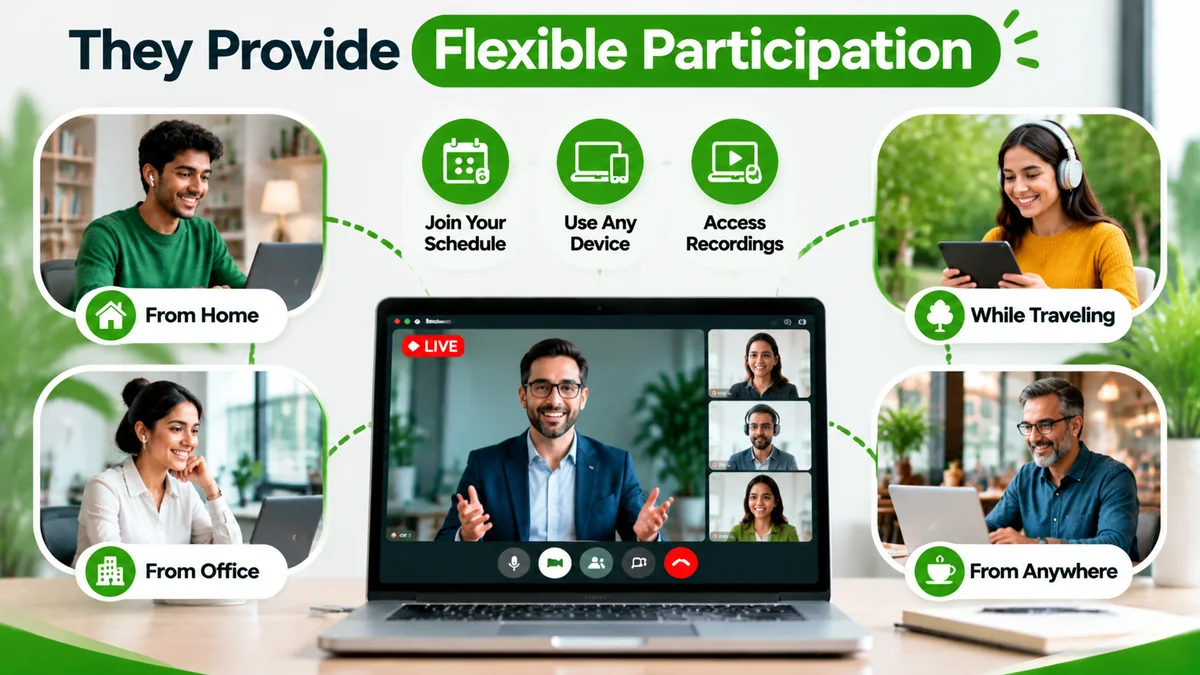
Online events allow people to participate from different locations without travelling to a venue.
This flexibility can be useful for employees, remote teams, international customers, and professionals with demanding schedules.
Some organisers also provide session recordings so registered attendees can access selected content later.
These benefits of virtual events can make professional education and industry discussions more accessible.
They Support Professional Networking
A common misconception is that online events only involve watching presentations.
Modern event technology can support live discussions, attendee messaging, group activities, and one-to-one meetings.
A virtual networking platform can help participants discover relevant professionals and continue conversations beyond individual sessions.
Netwoor AI uses AI-powered matching to help attendees discover relevant connections according to their professional interests and profiles.
They Provide Useful Engagement Data
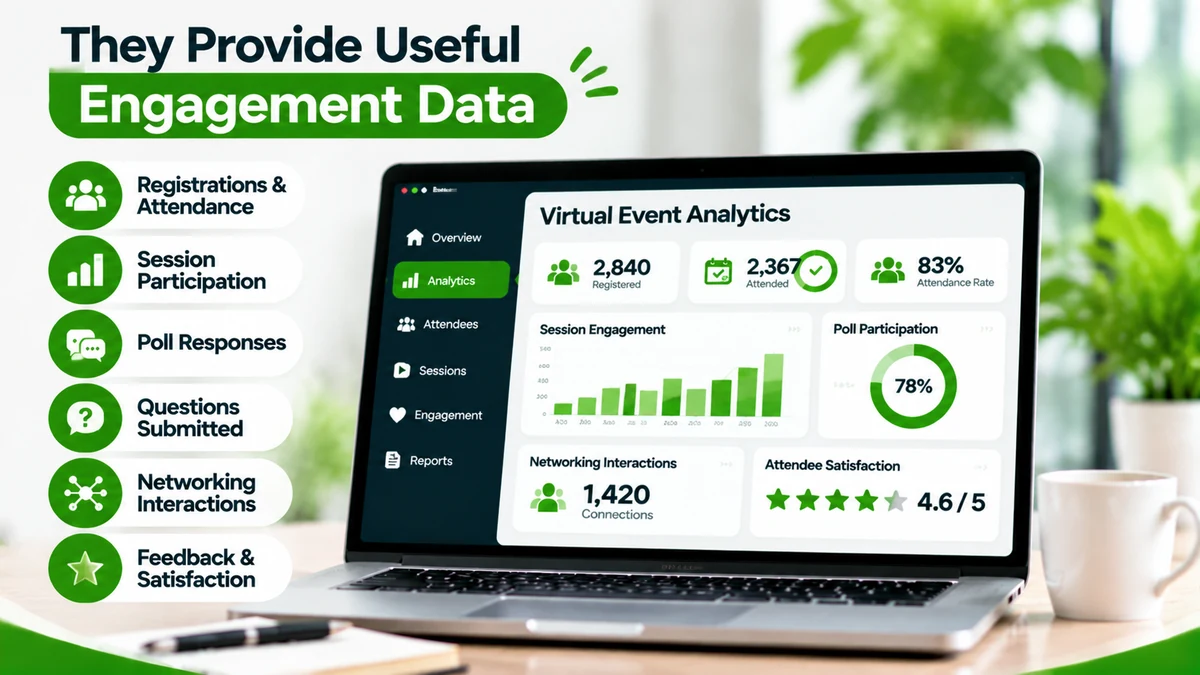
Digital platforms can help organisers evaluate how participants interact with an event. Depending on the software used, organisers may track:
Registrations and attendance.
Session participation.
Poll responses.
Questions submitted.
Networking interactions.
Feedback and satisfaction.
These insights help businesses understand which sessions attracted interest and where improvements may be needed. However, event data should be collected and handled according to applicable privacy requirements.
They Support Different Business Objectives
Virtual gatherings can serve several purposes beyond conferences.
For example, companies can organise customer education sessions, employee training, product demonstrations, investor presentations, and community meetings.
These virtual events examples show how online formats can support marketing, learning, communication, and business development. Organisations should select a format that matches their intended outcome rather than choosing a virtual event simply because it is convenient.
They Make Hybrid Events Possible

Some organisations prefer combining physical and online participation. Hybrid events allow in-person attendees to interact at a venue while remote participants join selected sessions digitally.
This approach can increase audience reach while retaining opportunities for direct interaction. However, organisers need to design a meaningful experience for both audiences. Remote attendees should have access to suitable discussions, questions, and networking activities.
How to Make Virtual Events More Effective?
Successful online gatherings require careful preparation.
Start by identifying the target audience and defining the event's purpose. Select a suitable platform, prepare speakers, test technical equipment, and create an organised programme.
Include interactive activities such as polls, moderated discussions, Q&A sessions, and networking opportunities. Avoid scheduling long presentations without breaks. Participants are more likely to remain engaged when they have regular opportunities to contribute.
Conclusion
Virtual events have become valuable tools for businesses because they support wider audience reach, flexible participation, and digital collaboration. They can also provide useful engagement data and reduce certain event expenses.
Their success, however, depends on thoughtful planning, suitable technology, and meaningful attendee interaction. Organisations that focus on participant experience can use virtual gatherings to build stronger professional and business relationships.
FAQs
1. Are virtual events suitable for small businesses?
Yes. Small businesses can use webinars, product demonstrations, and online workshops.
2. Can virtual events generate leads?
Yes. Relevant content and appropriate registration processes can help attract potential customers.
3. Do virtual events require live speakers?
No. Some formats use recorded content, although live interaction can improve engagement.
4. Can virtual events replace physical conferences?
They can replace some event formats, but in-person gatherings remain valuable for direct interaction.
Get the next article in your inbox
Stay updated with practical insights, product updates, and networking tips — delivered straight to your inbox.