
People join online communities for different reasons. Some want to learn from experienced professionals, while others are looking for business opportunities, industry discussions, mentorship, or social connections.
However, bringing people together is only the first step. Building lasting relationships requires an environment that encourages regular communication, collaboration, and meaningful participation.
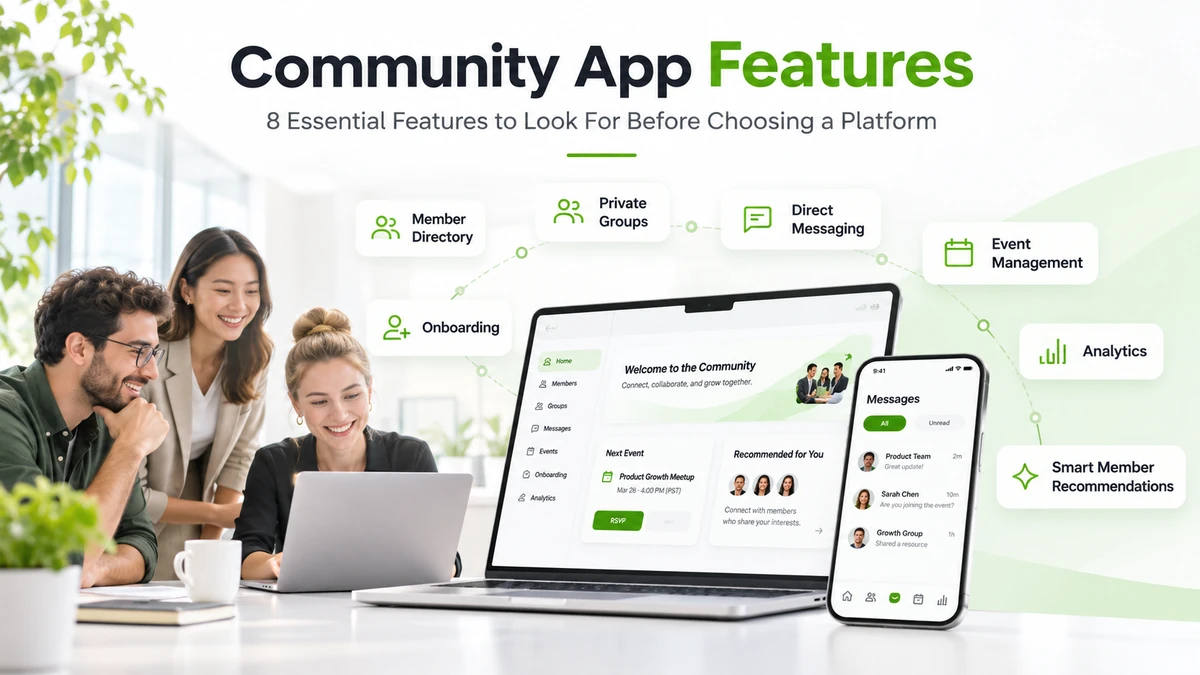
This is where well-designed community features become important. From member directories and discussion groups to direct messaging and intelligent recommendations, the right tools can transform a collection of individual accounts into an active network.
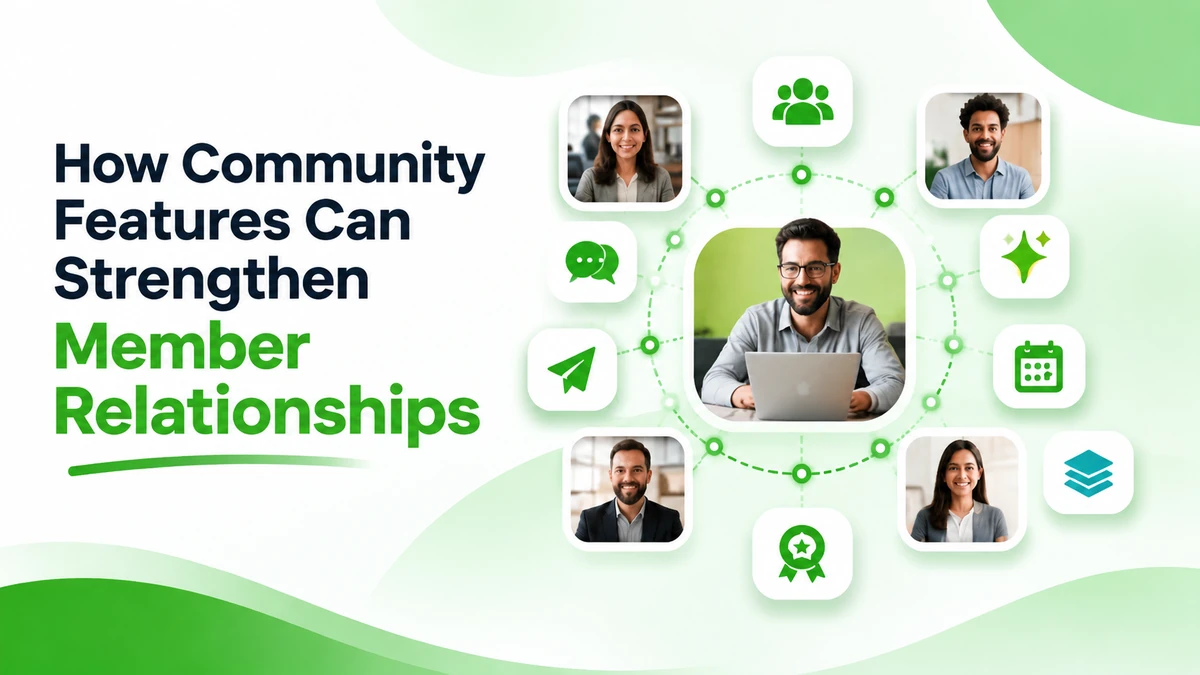
How Community Features Can Strengthen Member Relationships?
Instead of focusing only on registrations and content publishing, organizations should consider how their platform helps members develop relationships over time.
1. Member Directories Make People Easier to Discover
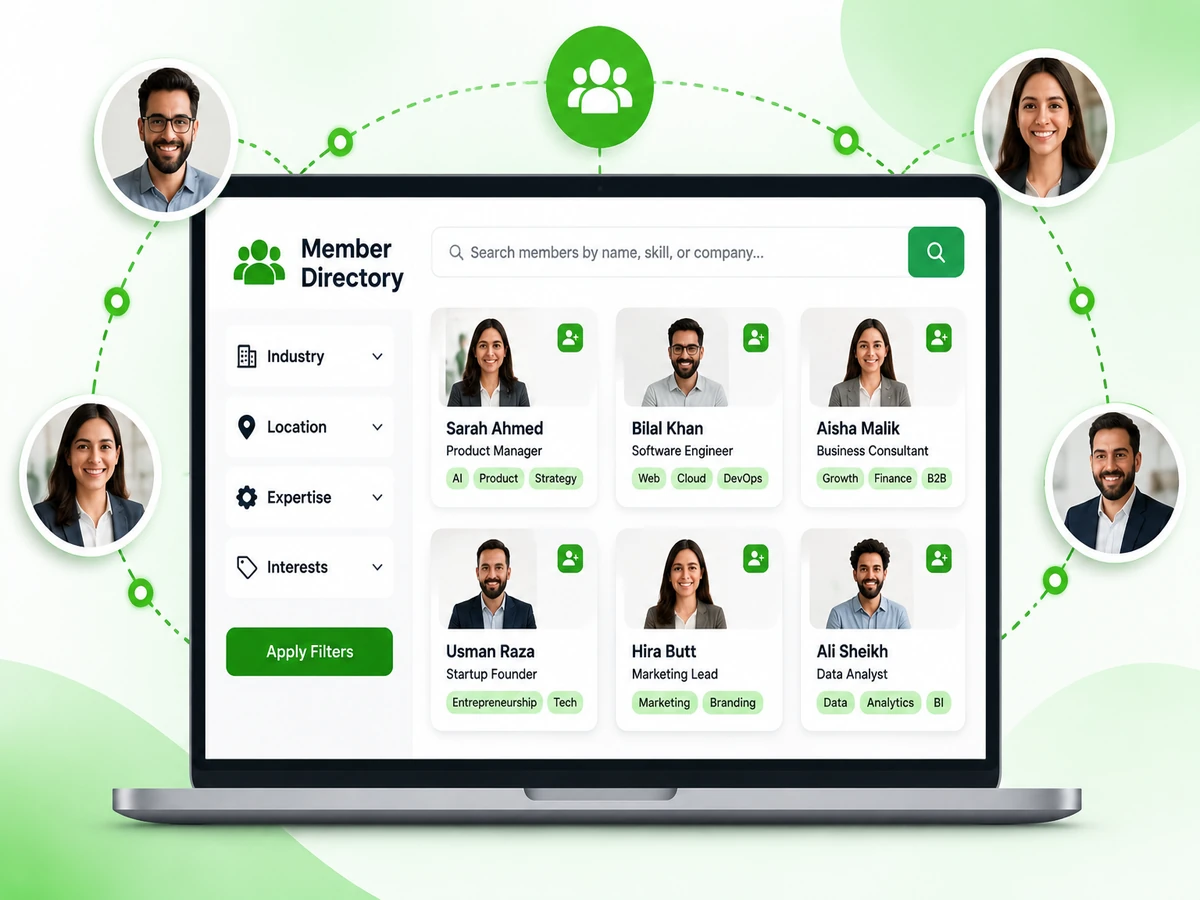
A searchable member directory is one of the most useful tools for helping participants find relevant people.
Without a centralized directory, members may struggle to identify others with similar interests or complementary expertise. A well-organized directory can include:
Professional titles and company information.
Skills and areas of expertise.
Industry and location filters.
Shared interests.
Profile descriptions and contact preferences.
For example, a startup founder may use the directory to discover a software developer, financial consultant, or potential business partner. Making people easier to discover creates more opportunities for professional connections.
2. Discussion Groups Encourage Shared Interests
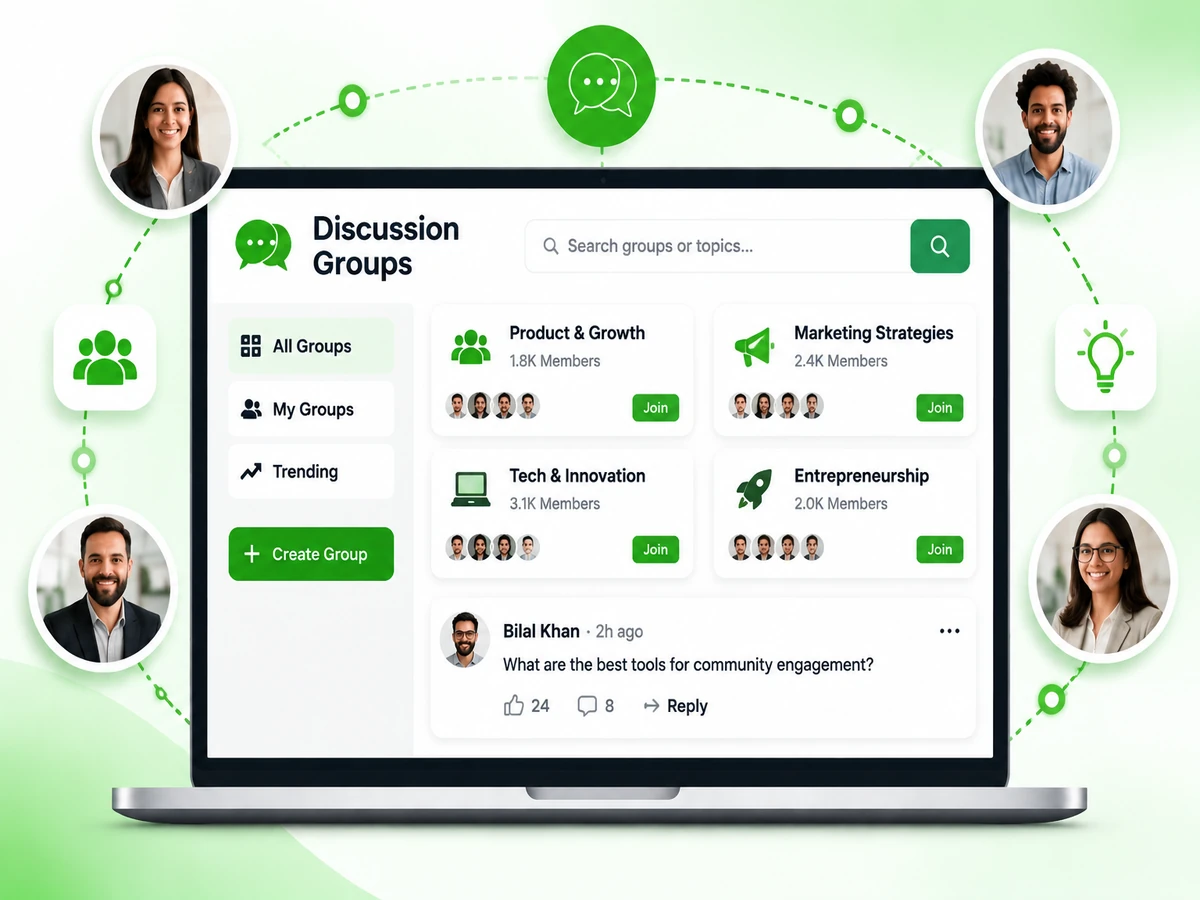
Members are more likely to participate when conversations relate to their goals and experiences.
Topic-based groups provide dedicated spaces for discussing specific subjects without overwhelming the entire community.
For example, an entrepreneurial network might have groups for fundraising, product development, business operations, and marketing.
These spaces encourage member interaction because participants can ask questions, exchange advice, and learn from people facing similar challenges.
They also help members develop familiarity through repeated discussions.
3. Direct Messaging Builds Personal Connections
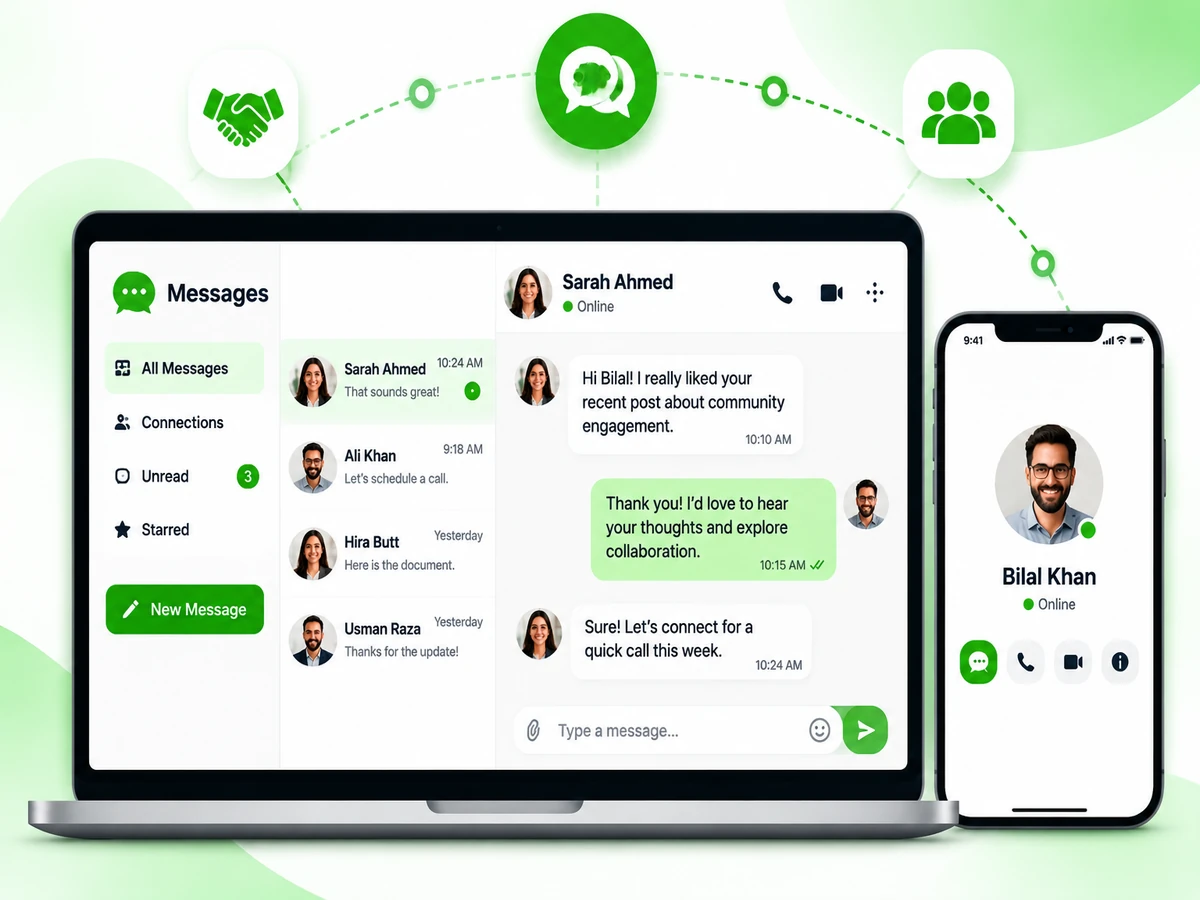
Public discussions are useful for sharing ideas, but some conversations require a more personal approach.
Direct messaging allows members to continue discussions privately, ask follow-up questions, and explore potential collaborations.
Useful messaging capabilities include:
One-to-one conversations.
Group messaging.
Message notifications.
File sharing.
Communication preferences.
These tools strengthen member communication by making it easier to move from public introductions to more focused discussions. Privacy controls are equally important, allowing members to manage who can contact them.
4. Intelligent Recommendations Help Members Find Relevant People
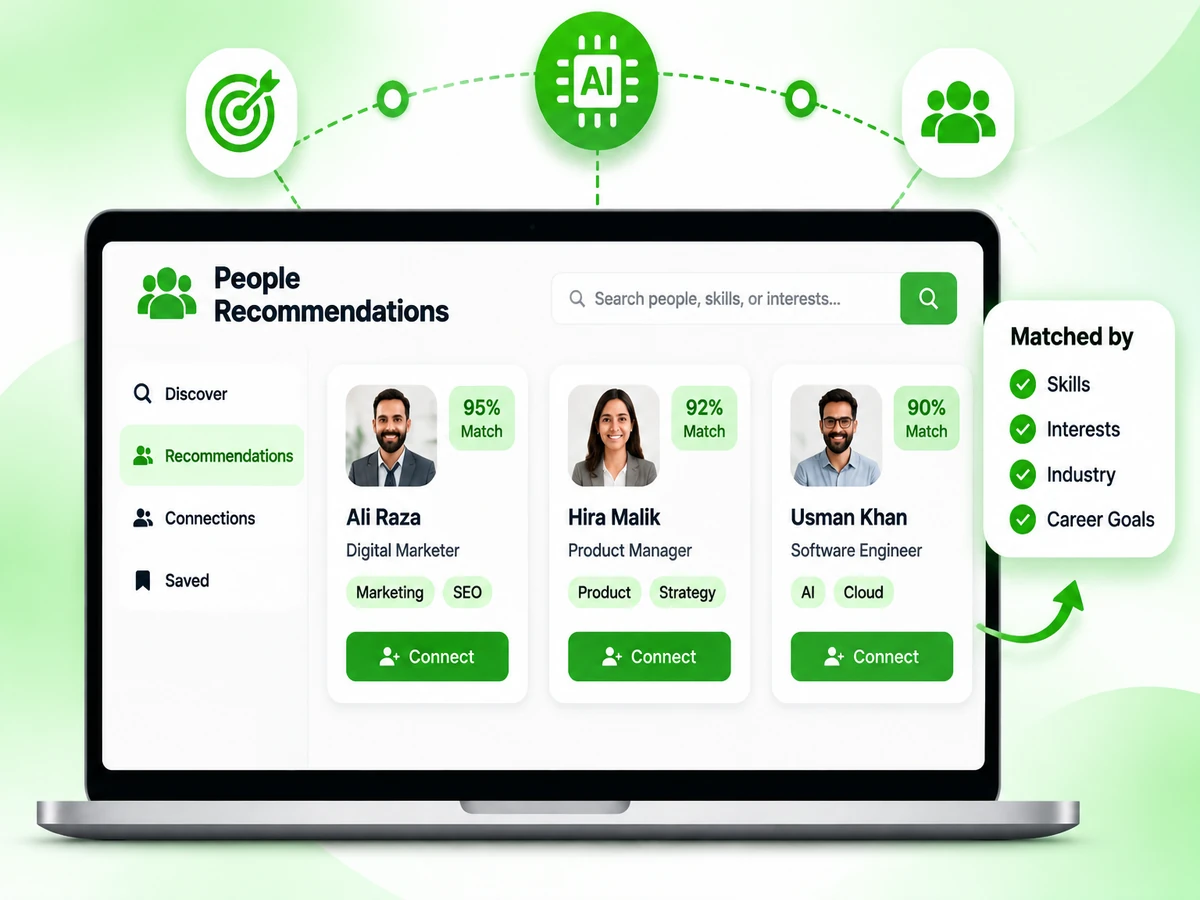
In large communities, discovering the right connections manually can become time-consuming.
Intelligent recommendations can simplify this process by suggesting members based on shared interests, professional backgrounds, skills, and goals.
For example, an experienced entrepreneur may be recommended to a first-time founder seeking business guidance.
This approach can make community networking more relevant by reducing the effort required to find suitable people.
Recommendations should remain transparent and allow members to adjust their preferences.
5. Events Create Opportunities for Real Interaction
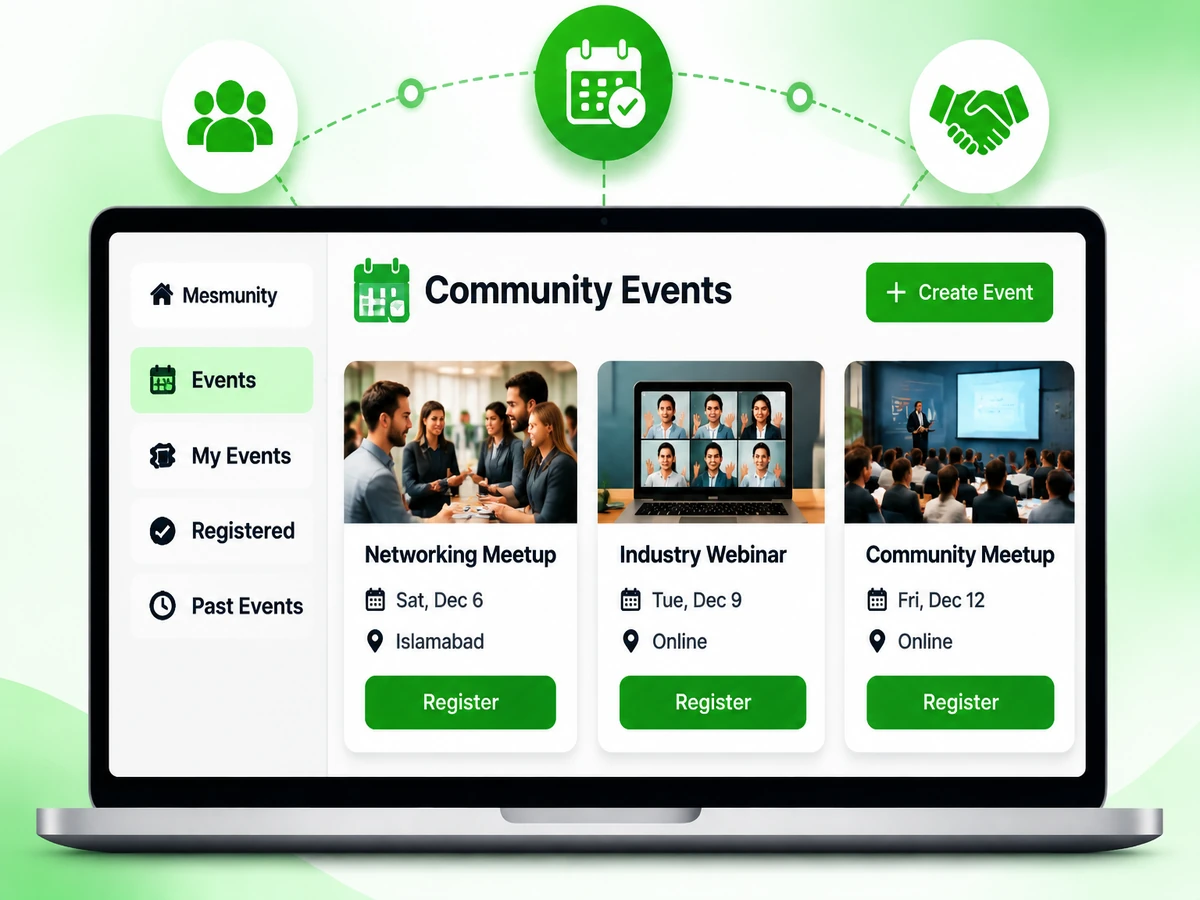
Online discussions are valuable, but live interactions can help relationships develop more naturally. Community events provide opportunities for members to meet, exchange ideas, and discuss shared interests. Useful event-related capabilities include:
Event calendars.
Registration and attendance management.
Attendee profiles.
Networking sessions.
Post-event discussions.
For example, a professional association can organize monthly webinars and introduce attendees with similar interests. These experiences extend online community engagement beyond everyday platform activity.
6. Collaboration Tools Turn Conversations Into Opportunities
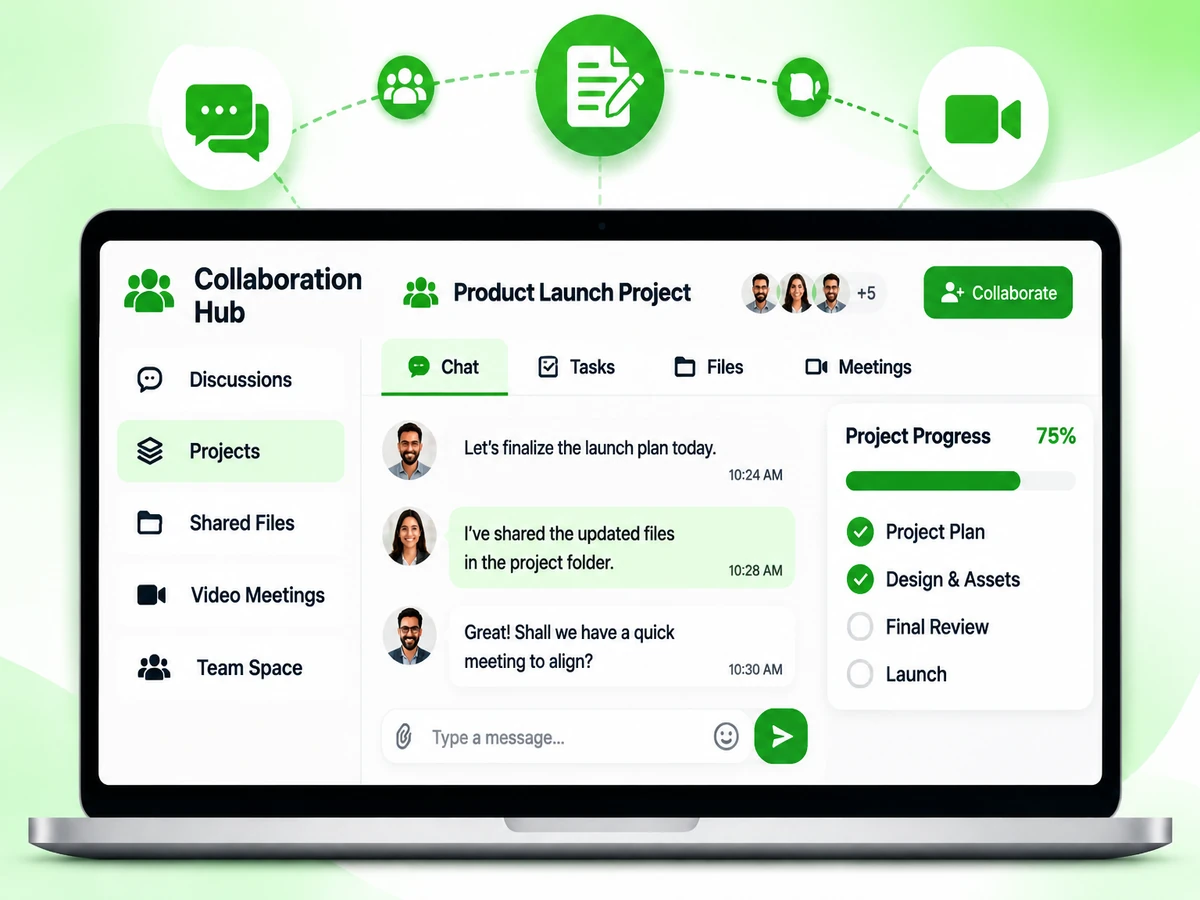
Strong relationships often develop when members work together toward a shared objective.
Collaboration tools can support project discussions, resource sharing, professional introductions, and knowledge exchange. Consider a business community where members can:
Share partnership opportunities.
Request professional recommendations.
Collaborate on projects.
Exchange useful resources.
Find people with complementary skills.
These activities create practical value and strengthen community collaboration.
7. Personalized Content Keeps Members Involved
Not every member is interested in the same discussions, events, or resources.
Personalized content recommendations can help participants discover information that matches their interests.
For example, a technology professional may receive updates about AI discussions, upcoming industry events, and relevant networking groups.
A more relevant digital community experience can encourage members to return because they consistently find useful information.
However, personalization should support discovery rather than create an overly narrow content environment.
8. Recognition Encourages Continued Participation
Members appreciate knowing that their contributions are valued. Recognition features can highlight helpful contributions, community achievements, milestones, and active participation. Examples include:
Member spotlights.
Contribution badges.
Community appreciation posts.
Expert recognition.
Participation milestones.
Recognition should focus on meaningful contributions rather than encouraging activity for its own sake. When members feel appreciated, they may become more willing to share knowledge and support others.
Measuring the Impact of Community Features
Community managers should evaluate whether their features actually improve relationships.
| Feature | Relationship-Building Benefit |
|---|---|
| Member directories | Easier discovery |
| Discussion groups | Shared conversations |
| Direct messaging | Personal communication |
| Recommendations | Relevant introductions |
| Events | Live interactions |
| Collaboration tools | Shared opportunities |
| Recognition | Continued participation |
Tracking repeat interactions, meaningful conversations, event attendance, and member feedback can reveal which features provide the most value. For example, Netwoor AI incorporates intelligent matching and networking capabilities into its approach to helping members discover relevant connections.
Conclusion
Strong member relationships do not develop simply because people join the same online platform. The most successful communities focus on features that solve real member needs. When people can easily find relevant connections and participate in meaningful activities, the community becomes more valuable over time.
Frequently Asked Questions
1. Which community feature helps build relationships fastest?
Member discovery combined with direct messaging can help people establish relevant connections quickly.
2. Do online communities need live events?
Live events are useful but not essential. Their value depends on the community's purpose and member preferences.
3. How can communities encourage repeat interactions?
Organized groups, relevant discussions, personalized recommendations, and regular activities encourage continued participation.
4. How do administrators know which features are effective?
They can review repeat interactions, engagement metrics, event attendance, and member feedback.
Get the next article in your inbox
Stay updated with practical insights, product updates, and networking tips — delivered straight to your inbox.