
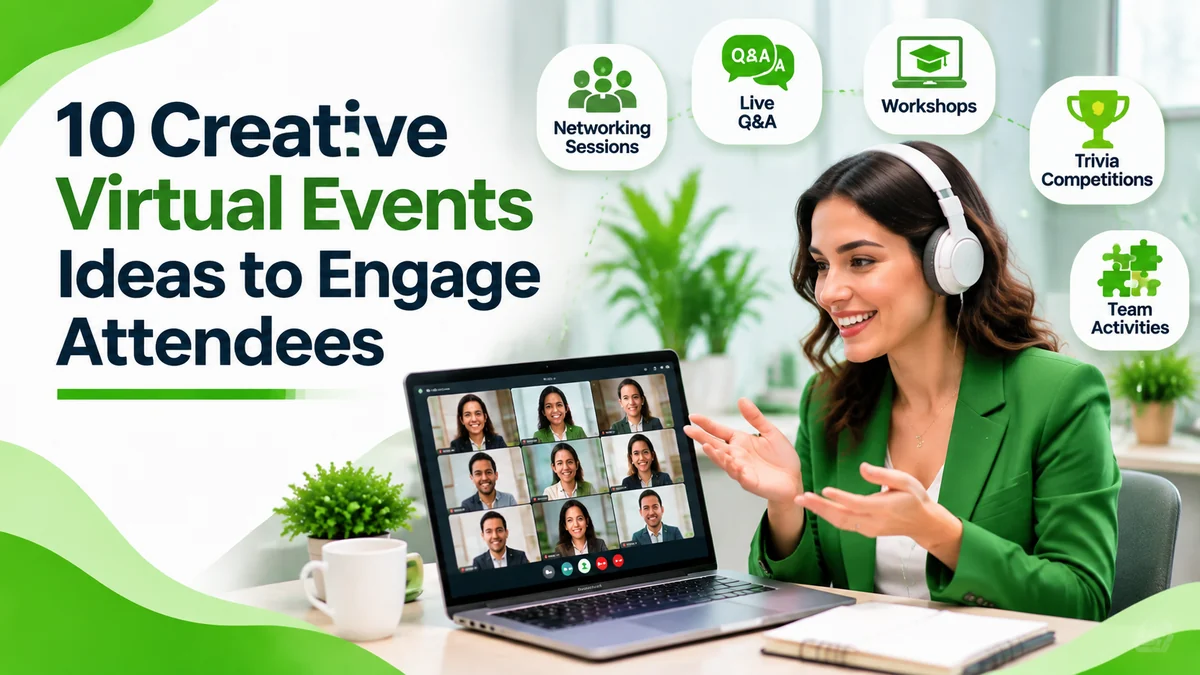
Online gatherings have become an important way for businesses, professional communities, and organisations to connect with audiences across different locations. However, keeping participants interested throughout an online event can be challenging. Presentations alone may not provide enough interaction, particularly when attendees are joining from different time zones or professional backgrounds. Using creative virtual events can help organisers make online experiences more engaging, interactive, and memorable.
Why Do Virtual Events Need Creative Engagement Strategies?
Virtual gatherings provide flexibility and allow organisations to reach audiences without requiring physical travel. They can also reduce certain venue and logistical expenses.
However, online participants may experience distractions, technical difficulties, and limited opportunities for spontaneous conversations. Organisers should therefore include interactive activities that encourage attendees to contribute throughout the event.
A well-planned creative virtual events strategy can improve participation, strengthen communication, and create opportunities for professional connections.
10 Creative Virtual Event Ideas to Try
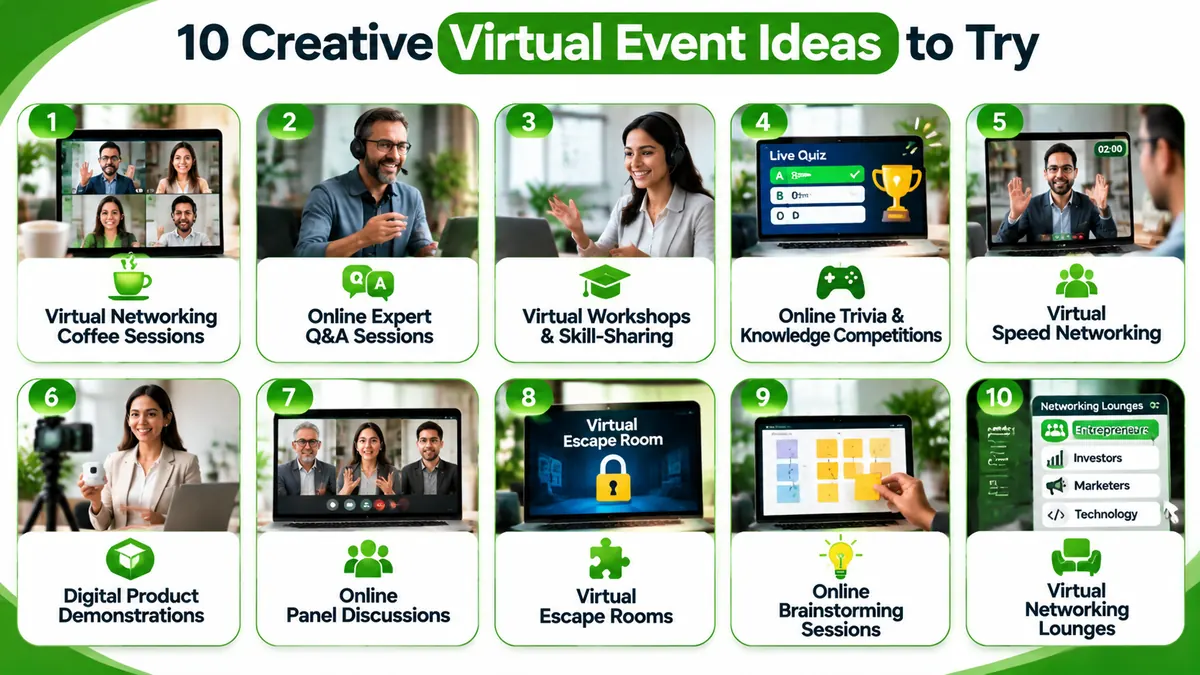
From online workshops and networking sessions to interactive competitions and expert discussions, virtual formats offer several ways to encourage participation. The key is to design activities that give attendees a reason to interact rather than simply watch a screen.
1. Virtual Networking Coffee Sessions
Organise small online groups where attendees can introduce themselves and discuss their professional interests. Provide conversation prompts to help participants start discussions naturally. This format works well for professional associations, business communities, and remote teams.
2. Online Expert Q&A Sessions
Invite industry professionals to answer audience questions in a live session.
Instead of relying entirely on prepared presentations, allow attendees to submit questions before and during the event. This makes the experience more relevant and interactive.
3. Virtual Workshops and Skill-Sharing Activities
Offer practical workshops where participants learn something they can apply immediately.
Possible topics include digital marketing, business communication, leadership, productivity, and technology. Workshops can include live demonstrations and short exercises to maintain engagement.
4. Online Trivia and Knowledge Competitions
Create quizzes around industry knowledge, company history, general topics, or event themes. Participants can compete individually or in teams. Friendly competitions introduce variety and encourage attendees to remain involved.
5. Virtual Speed Networking
Arrange short one-to-one video conversations between attendees. Participants can discuss their work, interests, and professional goals before moving to another conversation. This approach can make online networking feel more personal and structured.
6. Digital Product Demonstrations
Businesses can organise live product demonstrations to introduce new services, explain features, and answer customer questions.
Allow participants to interact with presenters and submit questions about specific product capabilities. This format is particularly useful for technology companies and B2B organisations.
7. Online Panel Discussions
Bring together specialists from different professional backgrounds to discuss a shared topic.
For example, a business event could host a panel on emerging technology, workplace transformation, or entrepreneurship. Include audience questions and short polls to maintain interaction.
8. Virtual Escape Rooms
Organise online problem-solving games where participants work together to complete challenges.
These activities can support team-building, communication, and collaboration.
Choose a difficulty level that matches the audience and provide clear instructions.
9. Online Brainstorming Sessions
Give attendees a topic or challenge and invite them to contribute ideas using shared digital boards or collaborative documents.
Participants can vote on suggestions and discuss the most popular ideas.
This format works well for innovation events and business workshops.
10. Virtual Networking Lounges
Create dedicated online spaces for different industries, professional interests, or discussion topics.
For example, an event could include separate rooms for entrepreneurs, investors, marketers, and technology professionals.
These spaces encourage smaller conversations and allow attendees to explore subjects relevant to their goals.
How to Plan an Engaging Virtual Event?
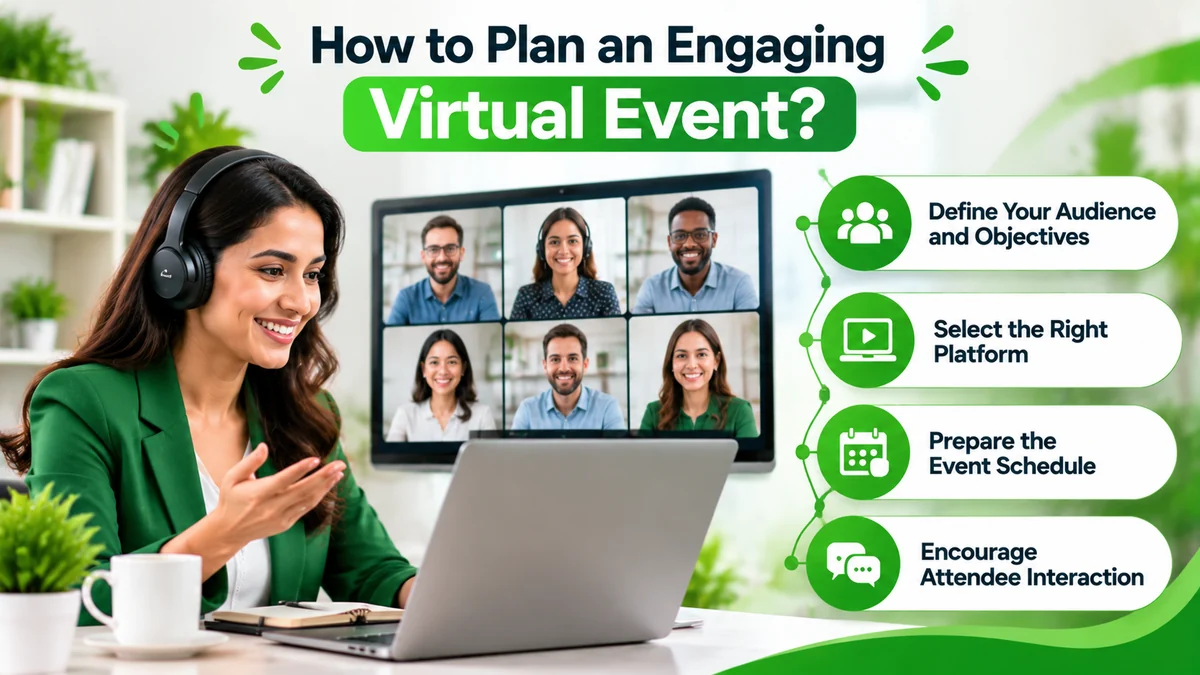
Choosing activities is only one part of successful online event planning. Organisers also need a clear structure and reliable technology.
Define Your Audience and Objectives
Identify who will attend and what they should gain from the event.
A professional conference may prioritise expert knowledge and business connections, while a company gathering may focus on employee engagement.
Select the Right Platform
Choose technology that supports your event format, audience size, and interaction requirements.
Look for features such as video conferencing, participant management, live polls, chat, and breakout rooms.
A virtual networking platform can also help participants discover attendees and continue conversations beyond the main sessions.
Prepare the Event Schedule
Keep the programme organised and avoid lengthy sessions without breaks.
Combine presentations with interactive activities so attendees have multiple opportunities to participate.
Encourage Attendee Interaction
Use questions, polls, group activities, and live discussions throughout the event.
An online networking event should provide genuine opportunities for attendees to communicate rather than relying only on presentations.
Using Technology to Improve Virtual Networking

Technology plays an important role in helping participants connect during online gatherings.
A professional networking platform can support attendee discovery, messaging, and professional profile sharing. Organisers can also use event technology to recommend relevant connections and make networking easier to manage.
Netwoor AI uses AI-powered matching to help participants discover professionals with relevant interests, supporting more purposeful event networking.
How to Measure Virtual Event Success?

Attendance numbers alone cannot explain whether an online event was successful. Organisers should also evaluate:
Registration-to-attendance conversion.
Participation in polls and discussions.
Number of networking interactions.
Session completion and engagement.
Attendee satisfaction and feedback.
Post-event connections and follow-up activity.
Conclusion
Virtual events can offer more than online presentations. With interactive workshops, expert discussions, networking activities, and collaborative experiences, organisers can create engaging programmes for participants across different locations.
The most effective approach combines relevant content, accessible technology, and opportunities for meaningful communication.
FAQs
1. What is the ideal duration of a virtual event?
It depends on the format, but shorter, well-structured sessions often help maintain attention.
2. Which activities work best for large virtual audiences?
Live polls, expert Q&As, quizzes, and moderated discussions can work well.
3. Do virtual events require special software?
Most require a suitable event or video conferencing platform with relevant engagement features.
4. How can organisers encourage attendees to participate?
Use interactive questions, group activities, networking sessions, and opportunities to share feedback.
Get the next article in your inbox
Stay updated with practical insights, product updates, and networking tips — delivered straight to your inbox.