

Professional events are most valuable when attendees have opportunities to exchange ideas, share experiences, and learn from different perspectives. Presentations and keynote speeches can deliver useful information, but they do not always encourage direct participation. Roundtable discussions provide an interactive alternative by bringing smaller groups together to explore specific subjects and contribute their opinions.
This format works particularly well at business conferences, corporate meetings, workshops, and professional networking events. With the right topic, participants, and moderator, organisers can create conversations that encourage collaboration and practical problem-solving.
What Makes a Roundtable Discussion Different?

A roundtable is a structured conversation where participants discuss a shared topic in a collaborative setting. Unlike traditional presentations, where one person speaks to an audience, this format gives attendees opportunities to contribute throughout the session.
The objective is to encourage balanced participation rather than establish a single speaker as the centre of attention.
Effective roundtable discussions usually have a defined subject, a facilitator, and a limited number of participants. This structure helps maintain focus while allowing different viewpoints to emerge.
Select a Relevant Discussion Topic
The topic plays an important role in determining how interested participants will be. Choose subjects that connect with attendees' professional interests, current industry challenges, or learning objectives.
For example, a technology conference could explore the impact of artificial intelligence on business operations. An entrepreneurship event might discuss startup funding, market expansion, or customer acquisition.
Avoid topics that are too broad. A focused question gives participants something specific to discuss and makes it easier for the moderator to guide the conversation.
Invite Participants With Different Perspectives

A valuable discussion includes people who can contribute different experiences and areas of expertise. For a business growth session, organisers might invite entrepreneurs, marketing specialists, consultants, and investors. Their different perspectives can help the group explore a subject from multiple angles.
Keep the group manageable so everyone has enough time to participate. If the audience is large, organise several smaller groups around related subjects. A round table meeting can be particularly useful because its collaborative format makes participation more natural.
Prepare Questions Before the Event
A moderator should prepare several questions that connect directly with the discussion topic.
For example, a session about professional development might include:
What skills are becoming more important in your industry?
What challenges do professionals face when changing careers?
How can organisations support employee development?
Which professional experiences have influenced your career most?
Open-ended questions encourage detailed answers instead of simple yes-or-no responses.
These prompts also help the moderator restart a conversation when participants become quiet.
Establish Clear Participation Guidelines

Participants should understand how the session will operate before the discussion begins.
Explain the topic, time limit, and expected level of participation. Encourage attendees to respect different opinions and avoid interrupting others.
The facilitator should also ensure that one participant does not dominate the entire conversation.
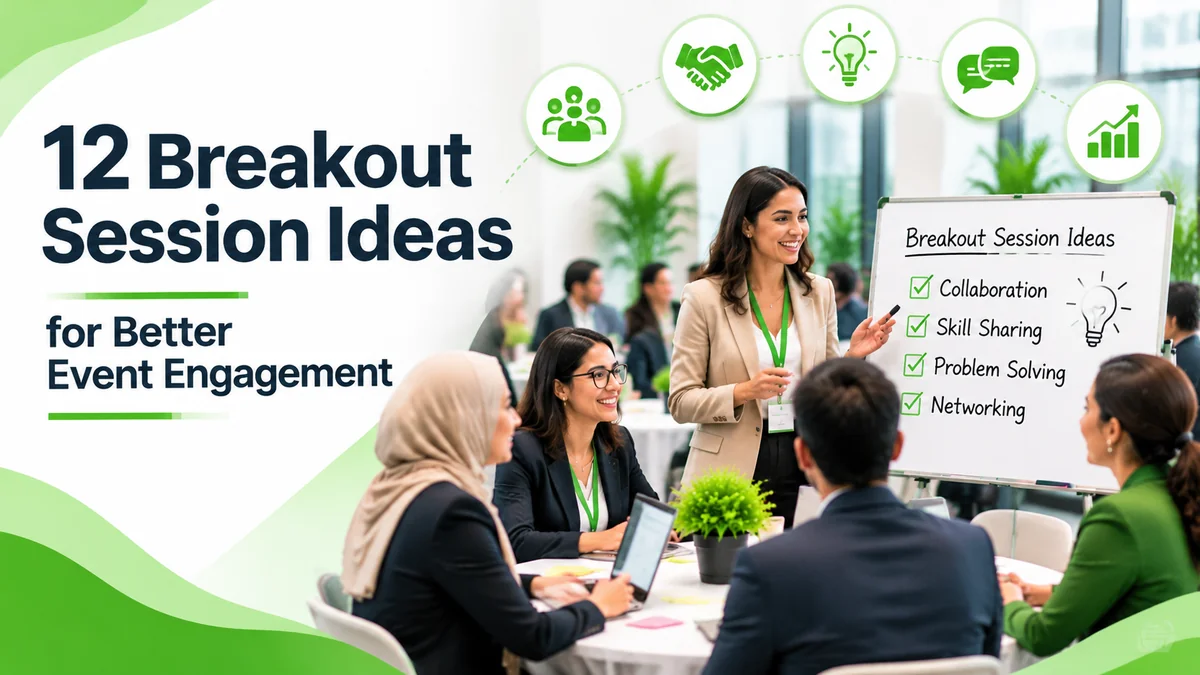
For larger events, breakout sessions can provide smaller spaces where people feel more comfortable contributing.
Encourage Networking Beyond the Discussion
One of the advantages of collaborative sessions is that participants often discover shared interests and potential opportunities.
Organisers should provide time for introductions and encourage attendees to exchange professional details when relevant.
A professional networking platform can help participants discover other attendees and maintain contact after the event. Similarly, an event networking app can support attendee discovery, messaging, and meeting arrangements.
Netwoor AI uses AI-powered matching to help event participants identify relevant professional connections and make networking more purposeful.
Use Technology to Improve Participation

Technology can support both in-person and virtual sessions.
For physical events, digital tools can help organisers manage registrations, share agendas, and collect feedback. For online gatherings, video conferencing platforms and collaborative documents allow participants to contribute remotely.
Organisers can also use live polls to understand participant opinions and identify subjects that deserve further discussion. The technology should support the conversation rather than distract from it.
Record Insights and Follow Up
A productive discussion should generate useful ideas that participants can apply.
Assign someone to record key observations, suggestions, and action points. After the session, share a brief summary with attendees. Follow-up communication can also help participants continue conversations and explore possible collaborations.
Conclusion
Effective roundtable sessions depend on thoughtful planning, relevant participants, clear questions, and balanced moderation. By creating an environment where people can exchange experiences and explore different perspectives, organisers can make professional events more interactive and valuable.
The most successful sessions do not simply generate conversation; they help participants leave with useful ideas and stronger professional connections.
FAQs
1. How many participants should join a roundtable?
Around five to ten participants can work well for many interactive discussions.
2. What is the role of a moderator?
A moderator guides the conversation, manages time, and encourages balanced participation.
3. How long should a roundtable session last?
A session of 30 to 60 minutes is a practical starting point.
4. Can roundtables be organised virtually?
Yes. Video meetings and virtual breakout rooms can support online discussions.
Get the next article in your inbox
Stay updated with practical insights, product updates, and networking tips — delivered straight to your inbox.