

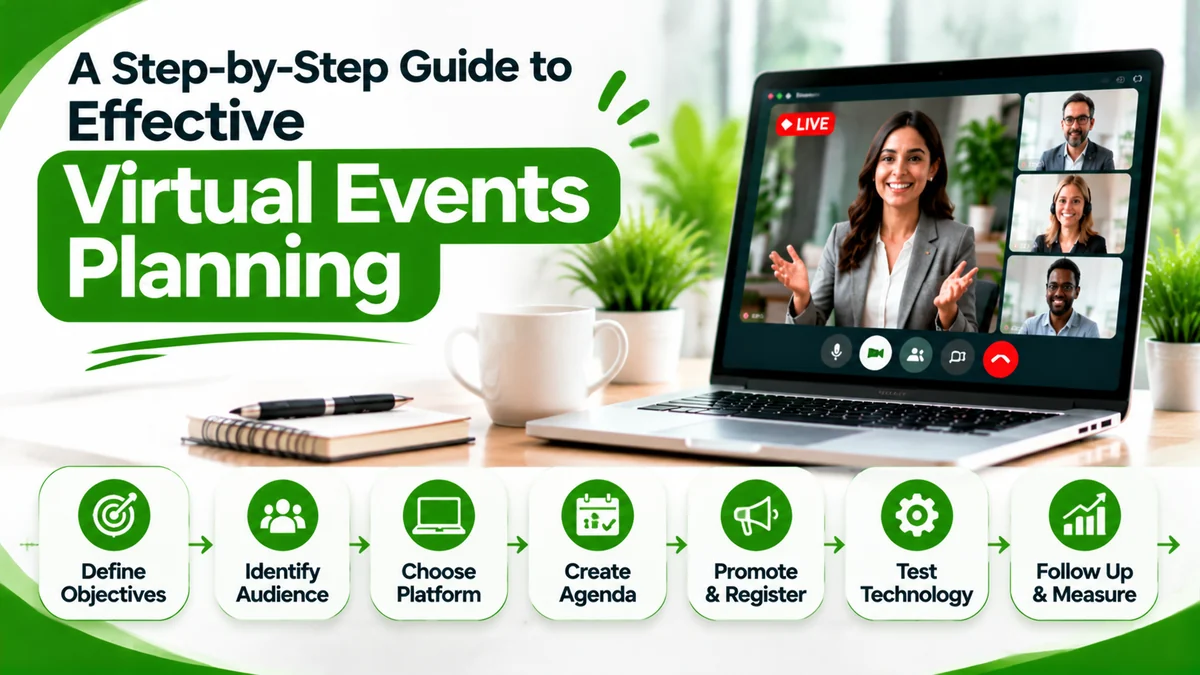
Virtual events allow businesses, educational institutions, and professional communities to bring people together without requiring them to travel to a physical venue. From online conferences and product launches to workshops and networking sessions, digital events provide flexible ways to communicate with audiences.
However, a successful online event requires more than selecting a video conferencing platform and inviting participants. Organisers need a clear objective, suitable technology, an engaging programme, and a plan for managing attendees.
Effective virtual events planning helps ensure that every stage of an online event is organised, from the initial idea and registration process to audience engagement and post-event follow-up.
What Is Virtual Events Planning?
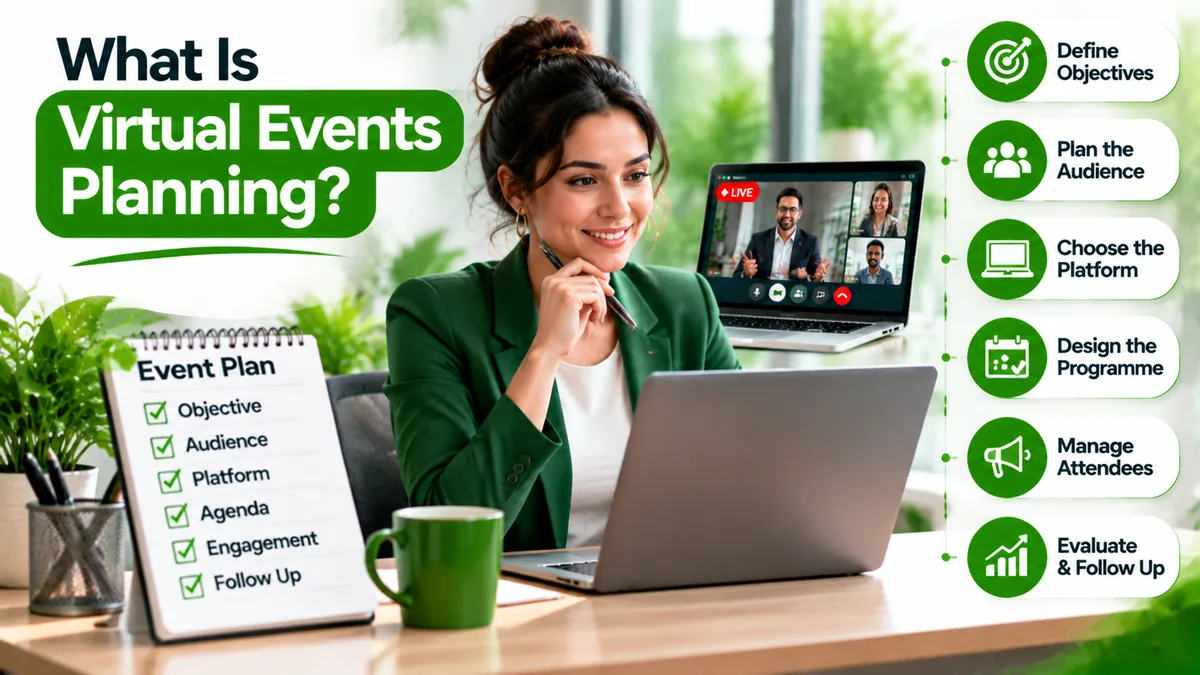
Virtual events planning is the process of organising an event that takes place online. It includes selecting the event format, defining objectives, choosing a platform, inviting participants, coordinating speakers, and managing the live experience.
Depending on the purpose, a virtual event may include presentations, interactive workshops, panel discussions, product demonstrations, networking activities, or breakout sessions.
The planning process should focus on both technical preparation and attendee experience. Even a well-designed programme can struggle if participants cannot access the event or find opportunities to interact.
7 Steps to Plan a Successful Virtual Event
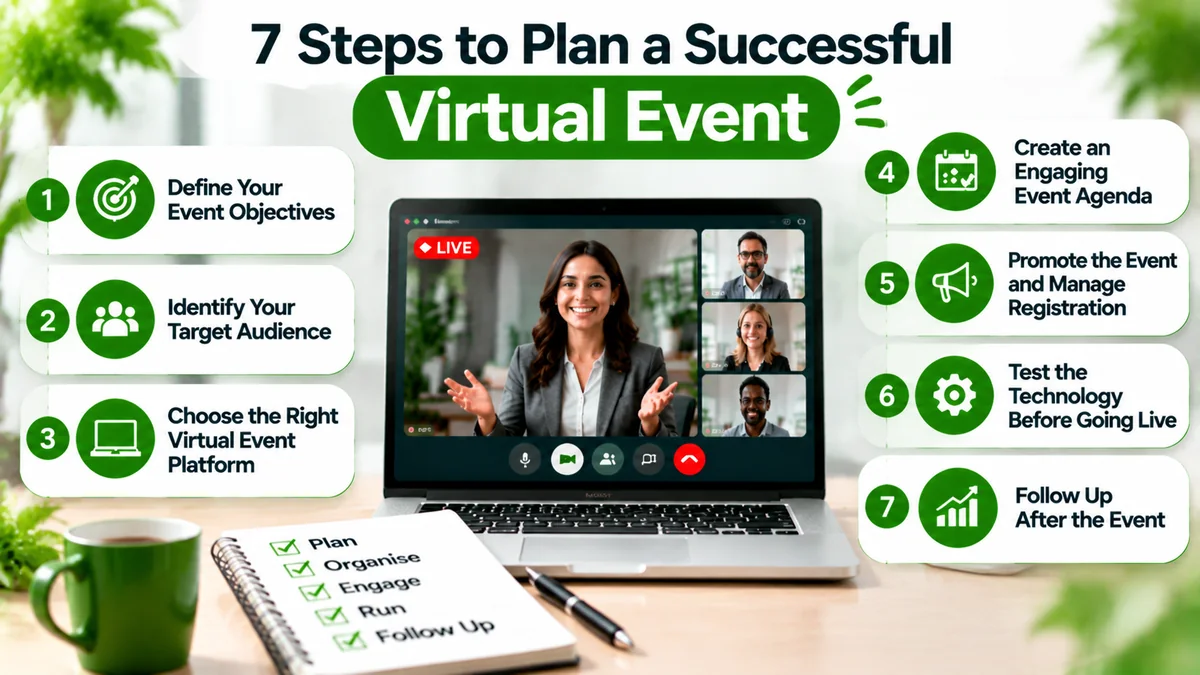
1. Define Your Event Objectives
Start by identifying what you want to achieve. Are you trying to generate business leads, educate an audience, launch a product, increase brand awareness, or create professional networking opportunities?
Your objective will influence the event format, content, speakers, and engagement activities.
For example, an online training session may focus on teaching a specific skill, while a virtual business conference may aim to connect professionals and share industry insights.
2. Identify Your Target Audience
Understand who you want to attend and what they expect from the event.
Consider their professional backgrounds, interests, geographical locations, and preferred communication styles. This information can help you select relevant topics, suitable speakers, and appropriate event timings.
You should also consider accessibility requirements, language preferences, and time-zone differences if you expect international participants.
3. Choose the Right Virtual Event Platform
The platform is an important part of online event planning because it determines how attendees access content and interact with one another.
Depending on your requirements, look for features such as:
Live video and audio streaming
Attendee registration and management
Screen sharing and presentations
Live polls and Q&A sessions
Breakout rooms
Networking and meeting scheduling
Event analytics and reporting
Compare available platforms based on usability, audience capacity, integrations, technical support, and pricing.
4. Create an Engaging Event Agenda
A well-structured agenda helps participants understand what to expect and encourages them to remain involved.
Include a welcome session, keynote presentations, panel discussions, interactive activities, and scheduled breaks where appropriate.
Avoid filling the entire programme with long presentations. Add opportunities for participants to ask questions, share opinions, and interact with speakers or other attendees.
5. Promote the Event and Manage Registration
Once the programme and platform are ready, develop a promotional strategy.
Use your website, email campaigns, professional social networks, and relevant industry communities to reach potential attendees.
Your registration page should clearly explain the event's purpose, date, time, speakers, agenda, and expected benefits. Send confirmation messages and joining instructions after registration.
6. Test the Technology Before Going Live
Technical preparation can prevent avoidable problems during the event.
Test the platform, microphones, cameras, presentations, internet connections, and screen-sharing features. Ask speakers to join a rehearsal so they understand how to access the event and use its features.
Prepare a backup communication method and assign someone to handle technical support during the session.
7. Follow Up After the Event
Your responsibilities do not end when the live session finishes.
Send attendees a thank-you message and share relevant resources, recordings, or presentation materials where permissions allow. Collect feedback through a short survey and review attendance and engagement data.
If the event included networking activities, encourage participants to continue relevant conversations after the event.
How to Keep Attendees Engaged During Virtual Events
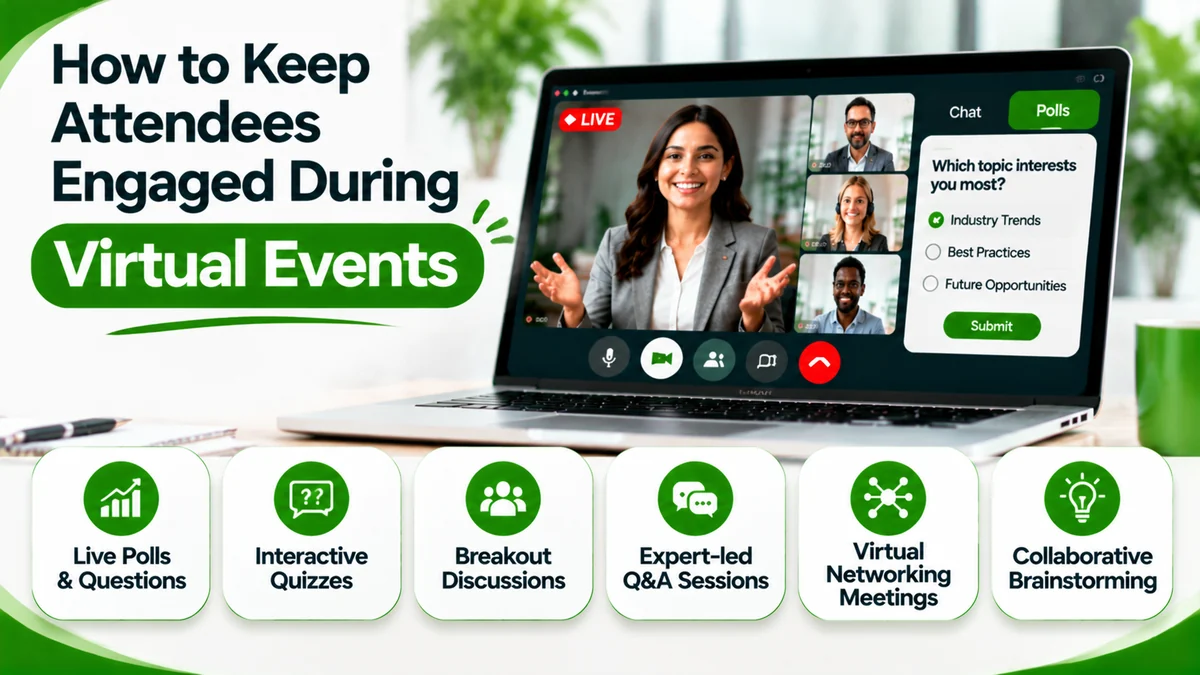
One of the biggest challenges of online events is maintaining audience attention. Participants may become distracted when sessions involve long presentations without interaction.
To improve participation, organisers can introduce virtual event engagement activities such as:
Live polls and audience questions
Interactive quizzes and challenges
Small-group breakout discussions
Expert-led Q&A sessions
Virtual networking meetings
Collaborative brainstorming activities
Networking is particularly valuable for conferences and business events. Attendees often want to meet people who share their professional interests, explore partnerships, or exchange industry knowledge.
Netwoor AI supports professional discovery and intelligent matching, helping participants identify relevant people during networking-focused experiences.
Common Virtual Event Planning Mistakes to Avoid
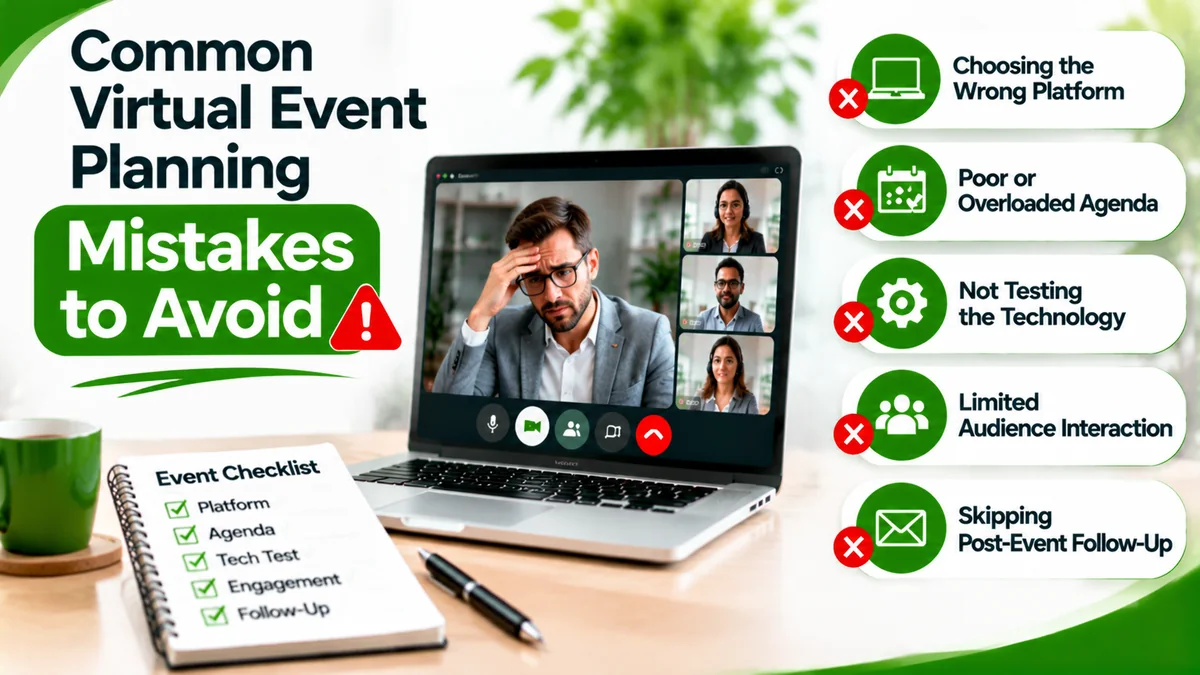
Even experienced organisers can overlook important details. Common mistakes include choosing a platform without checking its features, failing to test technology, creating an overcrowded agenda, and providing limited opportunities for interaction.
Another common issue is neglecting post-event communication. Without follow-up, organisers may miss opportunities to maintain relationships and understand attendee feedback.
A clear event checklist, assigned responsibilities, and a realistic timeline can help prevent these problems.
Conclusion
Successful virtual events planning requires a combination of preparation, suitable technology, relevant content, and effective audience engagement. By defining clear objectives, understanding your audience, testing the platform, and planning meaningful interactions, you can create an online event that delivers value to participants.
Remember that a successful virtual event is not measured only by registrations or attendance. The quality of the experience and the connections people make are equally important.
Frequently Asked Questions
1. How long does it take to plan a virtual event?
It depends on the event's size and complexity. A small webinar may require less preparation than a multi-session virtual conference.
2. What is the most important part of virtual event planning?
Clear objectives, reliable technology, and an engaging attendee experience are all essential.
3. How can I increase registrations for a virtual event?
Use targeted promotion, clear event benefits, relevant speakers, and a simple registration process.
4. What should organisers do after a virtual event?
Send follow-up messages, share permitted resources, collect feedback, and review event performance.
Get the next article in your inbox
Stay updated with practical insights, product updates, and networking tips — delivered straight to your inbox.