


Businesses and professional organisations increasingly use online events to communicate with audiences, share knowledge, and build relationships. Unlike traditional gatherings, virtual events allow participants to join from different locations without travelling to a physical venue.
Understanding the top 7 benefit of virtual events can help organisers decide whether an online format is suitable for their goals.
Top 7 Benefit of Virtual Events
From wider audience reach to flexible scheduling, virtual events offer several advantages for organisations of different sizes.
1. Reach a Wider Audience

One of the biggest advantages of virtual events is the ability to reach people beyond a specific city or country. Participants can join from different locations, making it easier for organisations to connect with international audiences.
For example, a business hosting an industry webinar can invite customers, partners, and professionals from multiple regions without requiring them to travel.
2. Reduce Event Costs
Physical events may involve venue rental, catering, travel, accommodation, printed materials, and staffing expenses. Virtual formats can reduce or eliminate several of these costs.
However, online events still require budgeting for platforms, production, speakers, promotion, and technical support.
3. Offer Greater Scheduling Flexibility

Virtual events can be organised in different formats, including live sessions, pre-recorded presentations, and on-demand content.
This flexibility can help attendees participate around their work schedules. Organisers can also make selected sessions available after the event for people who could not attend live.
4. Make Attendance More Convenient
Participants do not need to travel to a venue or arrange accommodation. They can join from their homes, offices, or other suitable locations.
This convenience may encourage people who would otherwise be unable to attend a physical event.
5. Support Networking Opportunities
Online events can include attendee directories, breakout rooms, chat features, and scheduled one-to-one meetings.
These tools can help participants connect with speakers, potential clients, industry professionals, and business partners.
6. Provide Useful Engagement Data
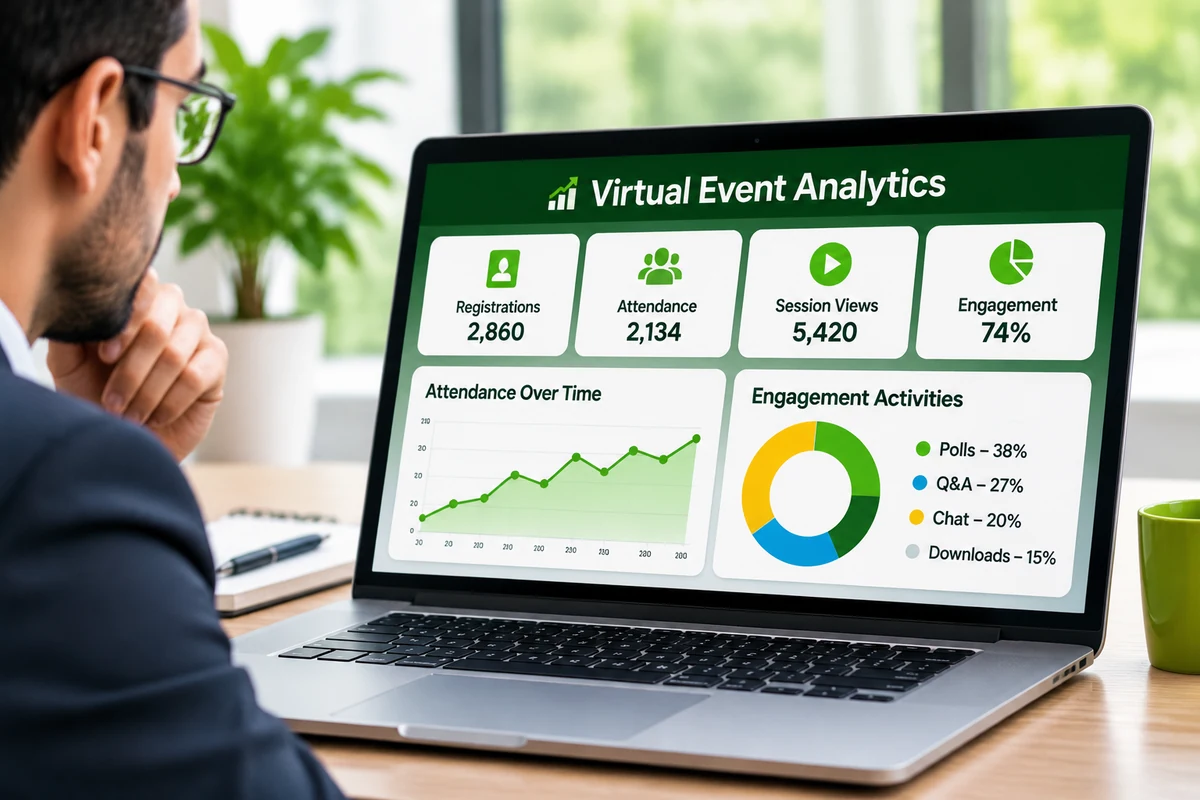
Many virtual event platforms provide information about registrations, attendance, session participation, poll responses, and other interactions.
Organisers can use these insights to understand audience interests and identify areas for improvement. Data collection should be transparent and consistent with applicable privacy requirements.
7. Make Content Easier to Reuse
Recorded sessions, presentations, and educational resources can be repurposed into blog posts, short videos, newsletters, and training materials, subject to speaker permissions and applicable rights.
This gives organisations opportunities to extend the value of event content beyond the original session.
How to Get More Value from Virtual Events

Although there are several advantages, virtual events still require thoughtful planning. Choose a platform that supports your event format and audience size. Prepare speakers, test technical equipment, and provide clear joining instructions.
Most importantly, avoid making the entire event a series of presentations. Add interactive features such as live Q&A, polls, breakout discussions, and networking sessions.
Netwoor AI can support professional discovery and help attendees identify relevant people during networking-focused events.
Are Virtual Events Better Than In-Person Events?

Neither format is automatically better. Virtual events can be more convenient and accessible, while physical gatherings may offer more spontaneous interactions and face-to-face relationship-building.
A hybrid format can combine both approaches when organisers have the resources and audience requirements to support it.
Conclusion
The top 7 benefit of virtual events include wider audience reach, potential cost savings, scheduling flexibility, convenient attendance, networking opportunities, engagement insights, and reusable content. By selecting the right format and creating opportunities for interaction, organisations can make online events valuable for both attendees and organisers.
Frequently Asked Questions
1. Are virtual events more affordable than physical events?
They can be, although platform, production, and marketing expenses still need to be considered.
2. Can virtual events be recorded?
Yes, if the platform supports recording and the organiser has the necessary permissions.
3. Do virtual events work for international audiences?
Yes. Organisers should consider time zones, language accessibility, and internet availability.
4. What is one major challenge of virtual events?
Maintaining attendee attention and encouraging interaction can be challenging without a well-planned programme.
Get the next article in your inbox
Stay updated with practical insights, product updates, and networking tips — delivered straight to your inbox.