
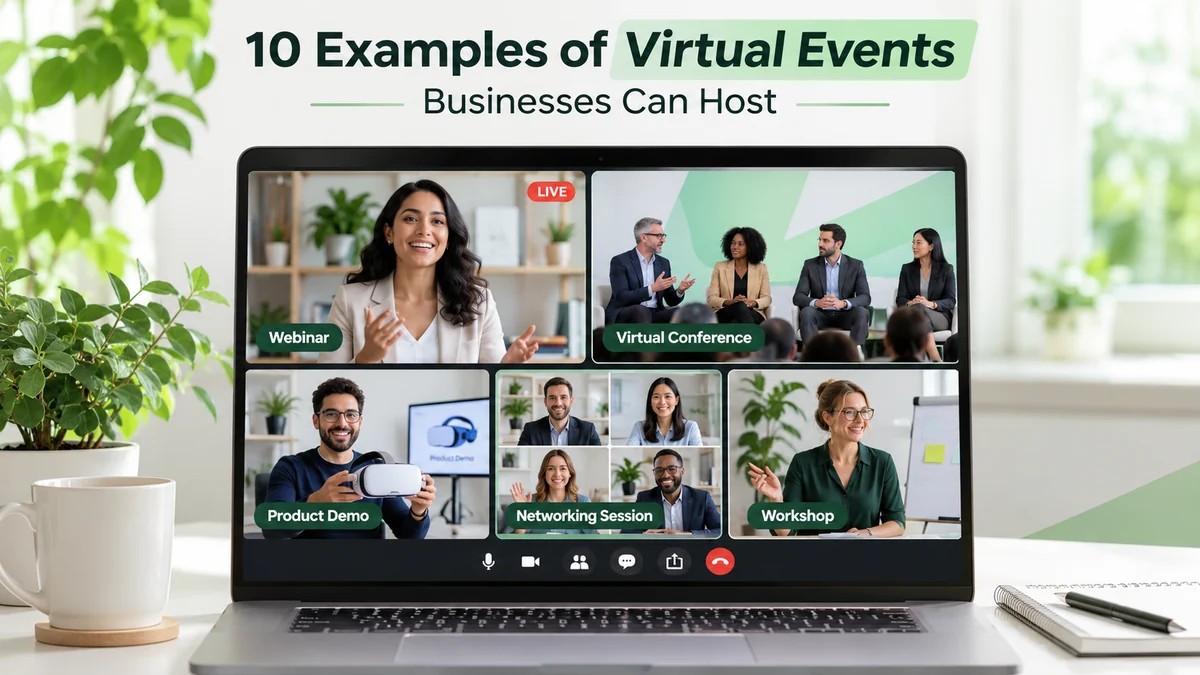
Businesses no longer need physical venues to bring customers, employees, industry experts, and professional communities together. Digital platforms make it possible to organise interactive gatherings for audiences across different locations. Exploring examples of virtual events can help organisations identify suitable formats for marketing, education, networking, and business development.
From online conferences and product demonstrations to virtual workshops and professional meetups, each format serves a different purpose.
Why Are Businesses Choosing Virtual Event Formats?
Online gatherings offer flexibility and can make professional activities accessible to people who cannot travel to a physical location.
A business can introduce a new product to international customers, while an industry association can organise an expert discussion for members in several countries.
These virtual events ideas also allow organisers to experiment with different formats without arranging a traditional venue. However, the event should provide a clear benefit to attendees rather than simply moving an ordinary presentation online.
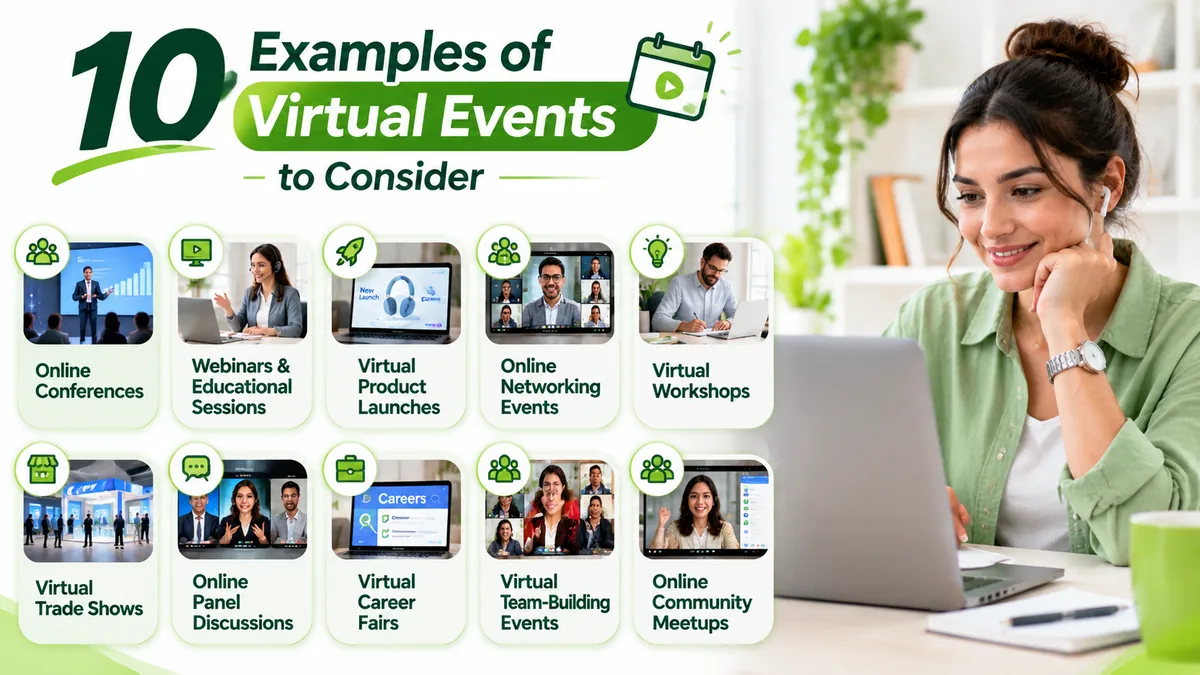
10 Examples of Virtual Events to Consider
The best choice depends on the audience, event objectives, available resources, and level of interaction organisers want to encourage.
1. Online Conferences
Virtual conferences bring together industry experts, speakers, and attendees through a digital platform. They can include keynote presentations, panel discussions, live Q&A sessions, and smaller networking activities. Businesses can use them to share industry knowledge, discuss emerging trends, and connect with professional audiences.
2. Webinars and Educational Sessions
Webinars are useful for sharing specialised information with a targeted audience.
For example, a software company might host a webinar explaining new product features, while a consulting business could discuss changes in its industry.
Include audience questions and practical demonstrations to make sessions more engaging.
3. Virtual Product Launches
A virtual product launch allows businesses to introduce new products or services to customers without organising a physical gathering.
Presenters can demonstrate features, explain product benefits, and answer questions.
This format can be especially useful for technology companies, software providers, and brands with international audiences.
4. Online Networking Events
Professional communities can organise virtual gatherings where participants meet and exchange ideas. These events may include short introductions, small-group discussions, and one-to-one meetings.
A virtual networking event can help professionals connect beyond geographical boundaries and explore potential collaborations.
5. Virtual Workshops
Online workshops focus on practical learning and skill development. Participants can follow demonstrations, complete exercises, and interact with instructors. Popular subjects include digital marketing, leadership, communication, business planning, and technology.
6. Virtual Trade Shows
Virtual trade shows allow businesses to present products and services through digital exhibition spaces.
Participants may explore exhibitor profiles, watch demonstrations, download resources, and communicate with representatives.
This format can help organisations reach industry audiences without requiring a traditional exhibition floor.
7. Online Panel Discussions
A panel discussion brings together several specialists to explore a shared subject. For example, a business event might invite entrepreneurs, investors, and consultants to discuss startup challenges. Moderated questions and audience participation can make these sessions more interactive.
8. Virtual Career Fairs
Online career fairs connect employers with potential candidates. Companies can introduce available positions, explain their workplace culture, and interact with job seekers through digital meetings. Candidates can also explore multiple organisations without travelling between locations.
9. Virtual Team-Building Events
Remote teams can participate in online games, quizzes, creative challenges, and collaborative activities.
These gatherings help employees communicate outside their regular work responsibilities.
They can also support team relationships across different offices and time zones.
10. Online Community Meetups
Businesses and professional associations can host recurring gatherings for their communities. These sessions may include informal conversations, member introductions, expert interviews, and experience-sharing activities. Regular meetings help maintain engagement beyond individual conferences.
How to Choose the Right Virtual Event Format?
Not every event type is suitable for every objective. Consider the following examples:
| Business objective | Suitable event format |
|---|---|
| Educate customers | Webinar |
| Introduce a product | Virtual product launch |
| Develop professional connections | Online networking event |
| Share industry knowledge | Virtual conference |
| Train employees | Online workshop |
| Recruit candidates | Virtual career fair |
| Present products | Virtual trade show |
| Strengthen remote teams | Virtual team-building |
Tools That Improve Virtual Event Experiences
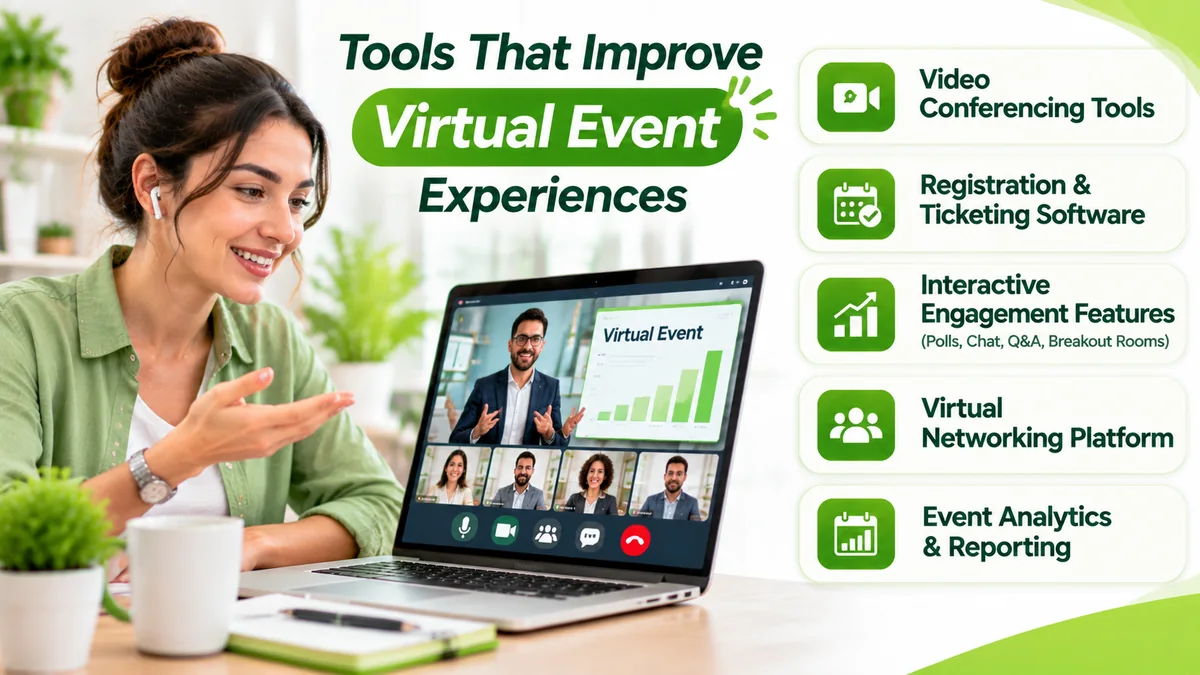
The technology used for an event should support its objectives. Video conferencing tools help deliver presentations, while registration software manages sign-ups and attendee access. Interactive features such as live polls, chat, and breakout rooms can encourage participation.
A virtual networking platform can also help attendees discover people with relevant professional interests.
Netwoor AI uses AI-powered matching to help participants identify relevant connections and make networking an important part of event experiences.
Tips for Planning Successful Online Events

Start with a clear event objective and define your target audience. Prepare an agenda that balances presentations with interactive activities.
Test the platform before the event and ensure speakers understand how to use its features.
Send joining instructions in advance and provide technical support where necessary.
After the event, collect feedback and review engagement data to understand what worked well.
Common Mistakes to Avoid
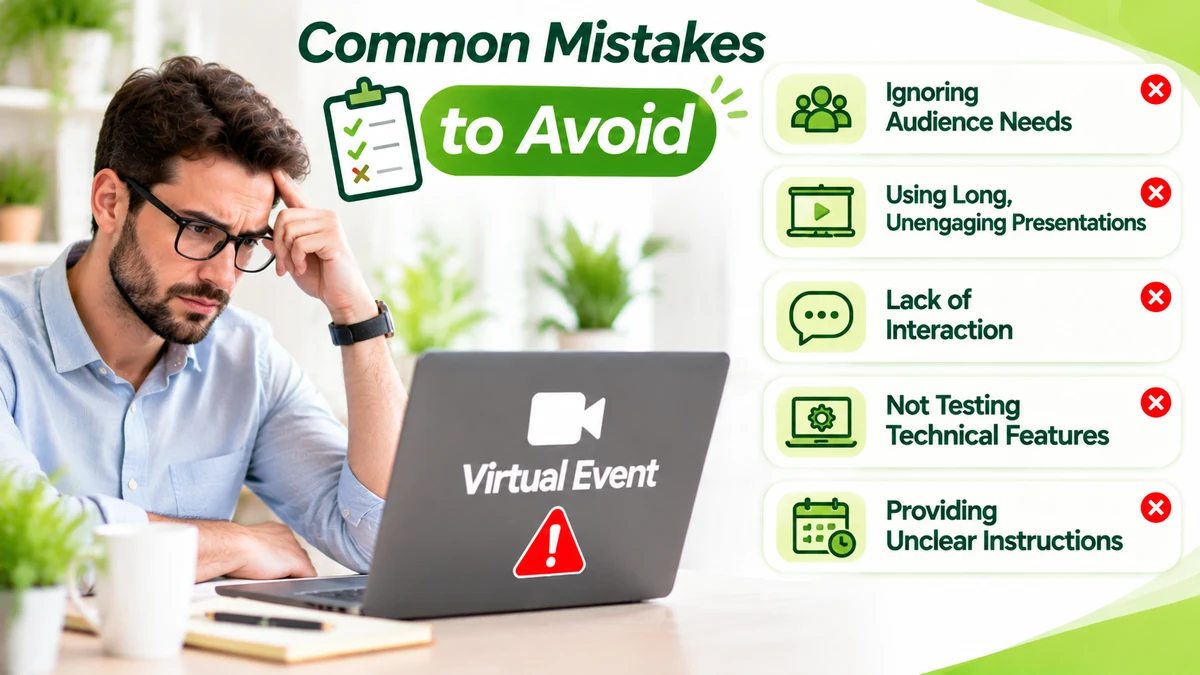
Avoid selecting an event format without considering audience needs. Long presentations, unclear instructions, and insufficient interaction can reduce participation.
Organisers should also test technical features and provide accessible joining information before the event begins.
Conclusion
Virtual gatherings offer businesses several ways to communicate, educate, promote products, and develop professional relationships. From webinars and online conferences to networking meetups and virtual career fairs, the right format depends on the event's purpose.
By choosing suitable technology and designing interactive experiences, organisations can create online events that provide value to participants.
FAQs
1. What is the most common type of virtual event?
Webinars and online conferences are widely used formats.
2. Can businesses charge for virtual events?
Yes. Organisers can offer paid registration depending on their event model.
3. What platform is needed to host an online event?
The choice depends on whether the event requires video, registration, networking, or exhibition features.
4. Can virtual events attract international audiences?
Yes. They allow participants to join from different geographical locations.
Get the next article in your inbox
Stay updated with practical insights, product updates, and networking tips — delivered straight to your inbox.