
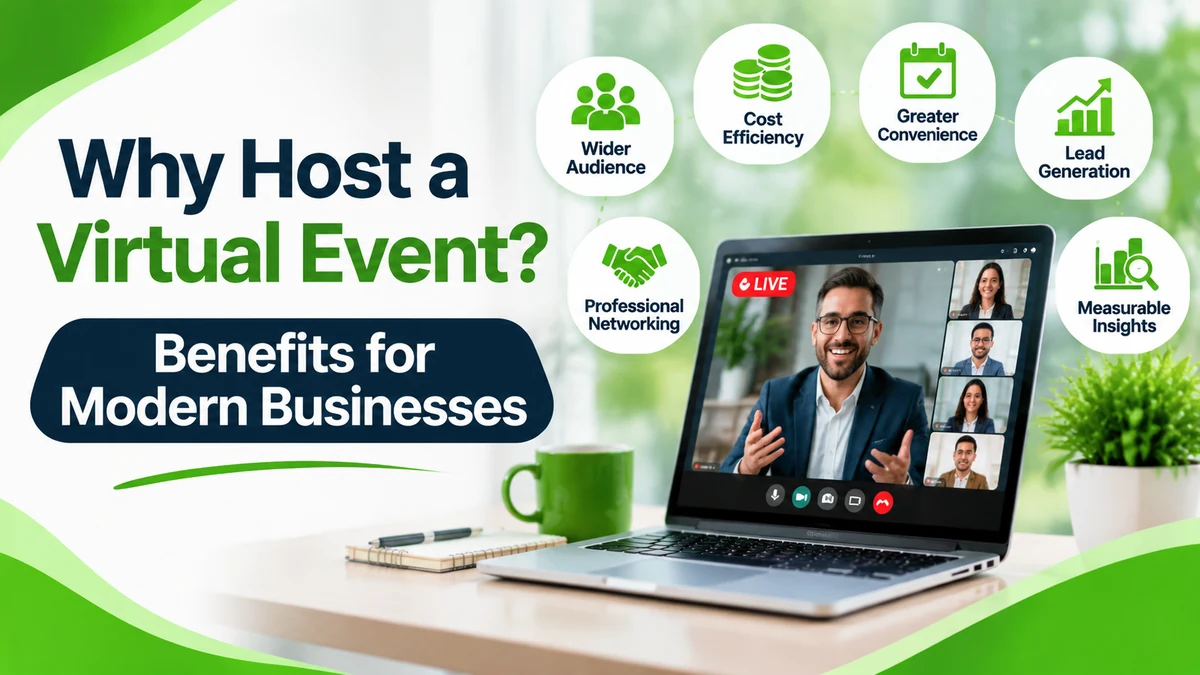
Businesses are constantly looking for ways to reach new audiences, communicate with customers, and build professional relationships. Traditional events can provide valuable face-to-face interaction, but organising them often involves travel, venue arrangements, and significant coordination. Understanding why host a virtual event can help organisations decide whether online gatherings are a practical option for their marketing, communication, and business development strategies.
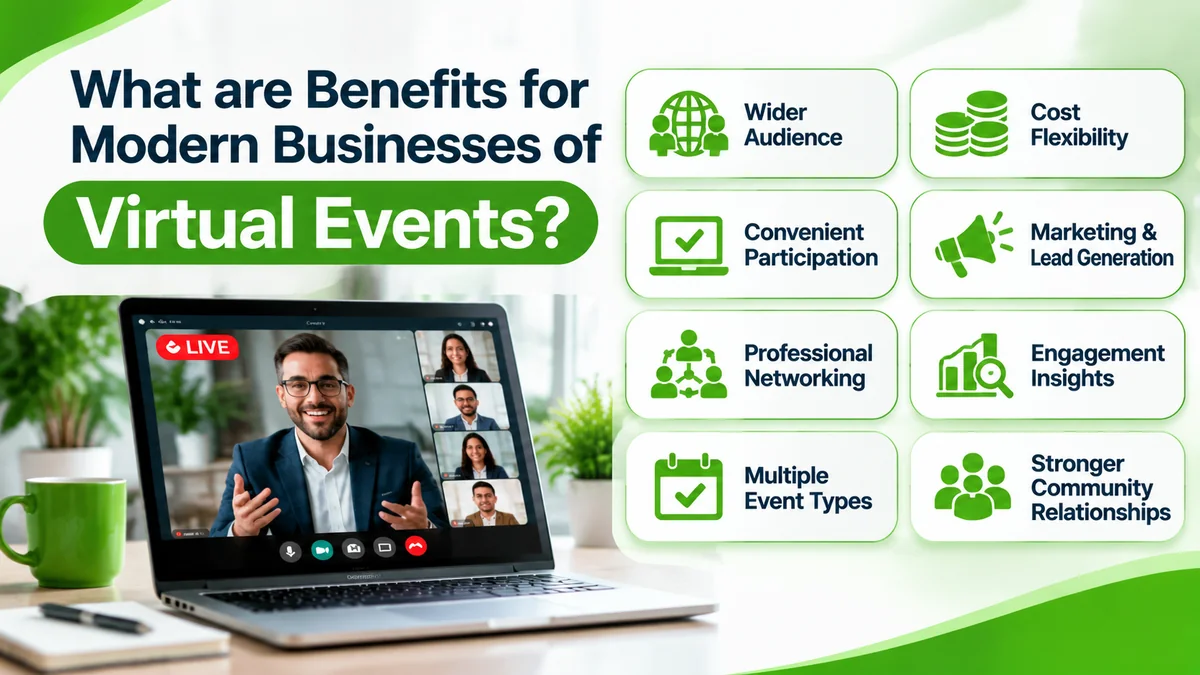
What are Benefits for Modern Businesses of Virtual Events?
Virtual events allow people to participate through digital platforms, making it possible to connect speakers, customers, employees, and industry professionals from different locations. With appropriate planning, these gatherings can deliver educational content, support networking, and create opportunities for audience engagement.
Reach a Wider Audience
One of the main reasons businesses organise online gatherings is the ability to reach people beyond a specific geographical area.
A company can host an industry conference for international participants without requiring everyone to travel to one city. This is particularly useful for businesses with customers, partners, or employees across multiple countries.
Organisers should still consider time zones, language preferences, and internet accessibility when planning international participation.
Manage Event Costs More Flexibly
Physical gatherings may require venue rental, catering, accommodation, transportation, and on-site staffing. Virtual formats can reduce several of these expenses, depending on the event's size and technical requirements.
Businesses may still need to invest in event software, technical production, marketing, and speaker coordination. However, they can select tools and services according to their available budget. The ability to organise events without renting a large venue can make online formats attractive to smaller organisations.
Make Participation More Convenient
Not every potential attendee has the time or resources to travel to an event. Online gatherings allow participants to join from home, offices, or other suitable locations.
This flexibility can make it easier for remote employees, international customers, and busy professionals to participate. Some organisers also record sessions and provide access afterwards, although recording availability should be communicated clearly to attendees.
These benefits of virtual events can support wider participation and make professional learning more accessible.
Support Business Marketing and Lead Generation
Virtual events can become part of a company's wider marketing strategy. For example, a software business can host a webinar to explain a product feature, while a consulting firm can organise an expert session about industry challenges.
These activities give potential customers an opportunity to understand the organisation's expertise before making a purchasing decision.
Businesses should focus on providing useful information rather than turning every session into a sales presentation.
Create Professional Networking Opportunities

Online events can support more than presentations and webinars.
With appropriate digital tools, participants can exchange messages, attend small-group discussions, and arrange one-to-one meetings.
A virtual networking event can bring together entrepreneurs, investors, consultants, and other professionals who may have shared interests.
An effective virtual networking platform can help attendees discover relevant people and continue conversations after the event.
Netwoor AI uses intelligent matching to help event participants identify relevant professional connections based on their profiles and interests.
Collect Engagement Insights
Digital event platforms can provide information about attendee participation.
Depending on the software, organisers may review:
Registration and attendance numbers.
Session participation.
Poll responses.
Questions submitted by attendees.
Networking activity.
Post-event feedback.
These insights help businesses evaluate event performance and identify areas for improvement. However, organisers should collect and use participant information responsibly and follow applicable data protection requirements.
Organise Different Types of Events
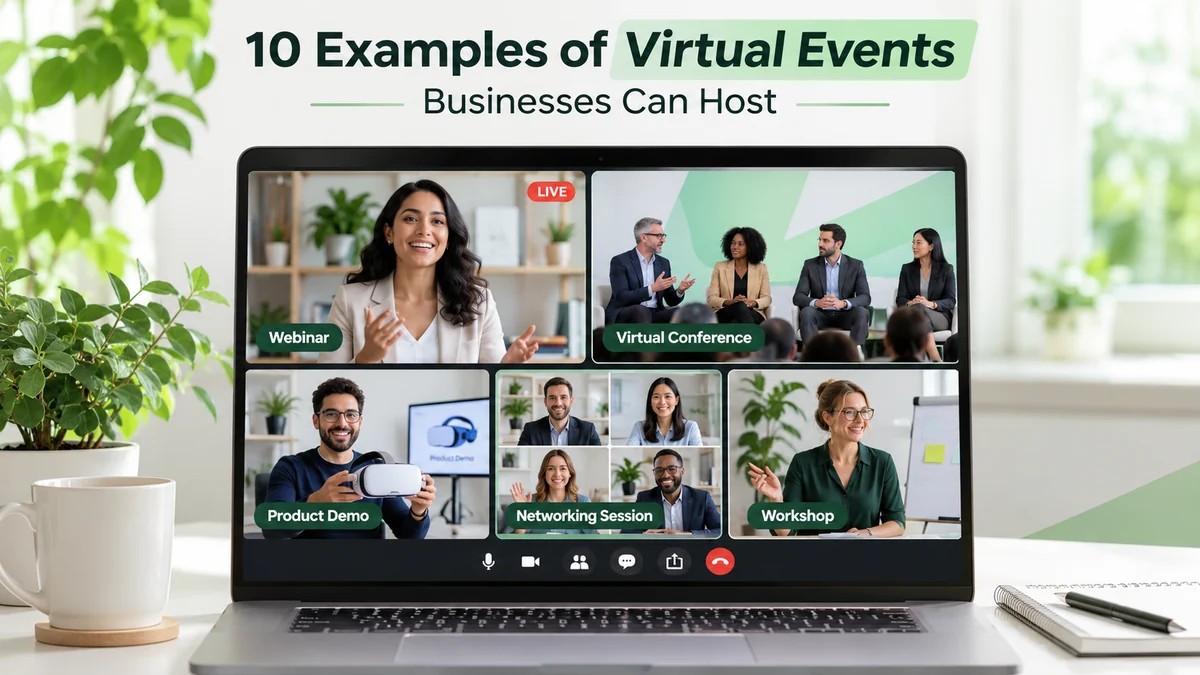
Virtual formats can support a wide range of organisational activities. Some popular virtual events ideas include online conferences, educational workshops, product launches, expert interviews, virtual networking sessions, and employee training programmes.
Businesses can select an event format based on their objectives and audience expectations. For example, a startup may organise an online investor presentation, while a professional association may arrange a virtual member meetup.
Strengthen Relationships With Existing Communities
Regular online events can help businesses maintain communication with their existing customers, employees, and professional communities.
Monthly discussions, member meetups, and expert sessions provide recurring opportunities to share information and exchange ideas. These activities can help maintain engagement between larger conferences or business gatherings.
How to Plan a Successful Virtual Event?
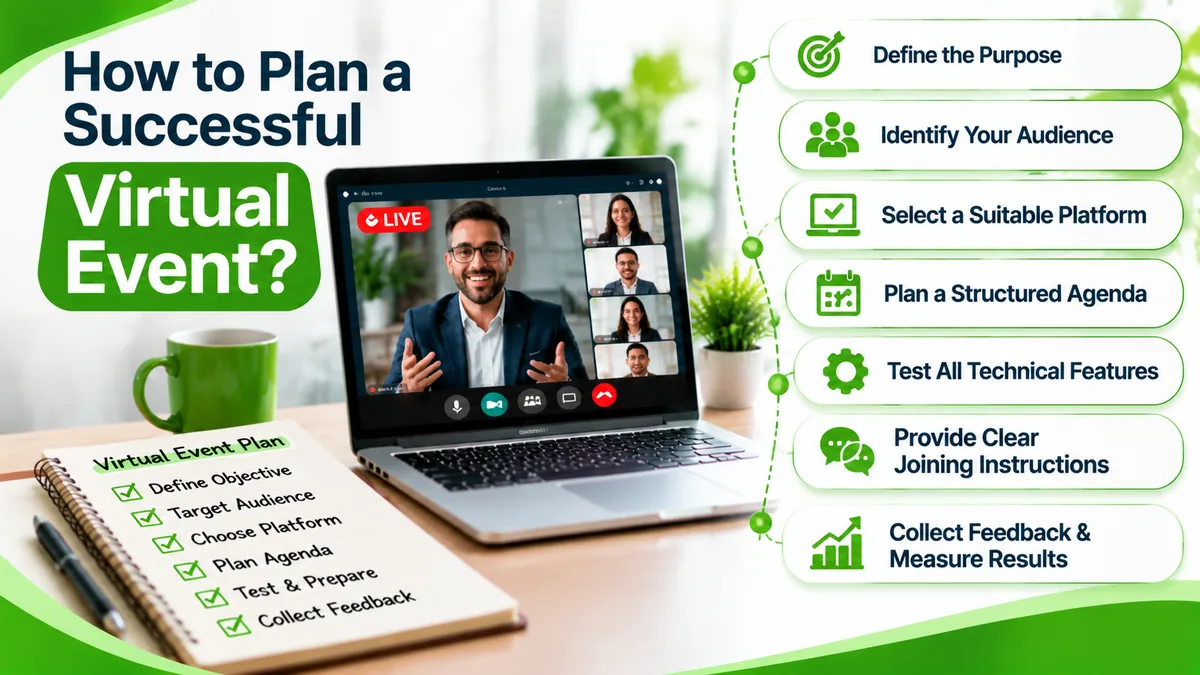
Start by defining the purpose of your event. Decide whether you want to educate an audience, introduce a product, generate leads, or encourage professional networking.
Next, identify your target participants and select a suitable platform.
Prepare a structured agenda that includes presentations, questions, and interactive activities. Test all technical features before the event and provide clear joining instructions.
Finally, collect attendee feedback and review performance metrics to understand whether the event achieved its objectives.
Conclusion
Businesses can host virtual events to expand audience reach, improve accessibility, support marketing activities, and develop professional relationships. Online gatherings also provide opportunities to collect engagement insights and organise different activities without depending entirely on physical venues.
The most effective events combine useful content, suitable technology, and meaningful attendee interaction.
FAQs
1. Are virtual events suitable for B2B businesses?
Yes. They can support lead generation, product education, and professional networking.
2. Do virtual events require a large budget?
Not necessarily. Costs depend on the platform, production, and event requirements.
3. Can virtual events help build brand awareness?
Yes. They provide opportunities to share expertise and reach relevant audiences.
4. How can businesses encourage registrations?
Use targeted invitations, relevant content, clear event benefits, and timely reminders.
Get the next article in your inbox
Stay updated with practical insights, product updates, and networking tips — delivered straight to your inbox.